Ice dams along the eaves
Ridges of ice at the roof edge usually start with warm air melting snow higher up, so closing the leaks in the attic floor goes after the cause instead of the ice.
Ice dams on the eaves or cold, drafty rooms usually mean warm air is leaking into the attic. We find those gaps and close them.
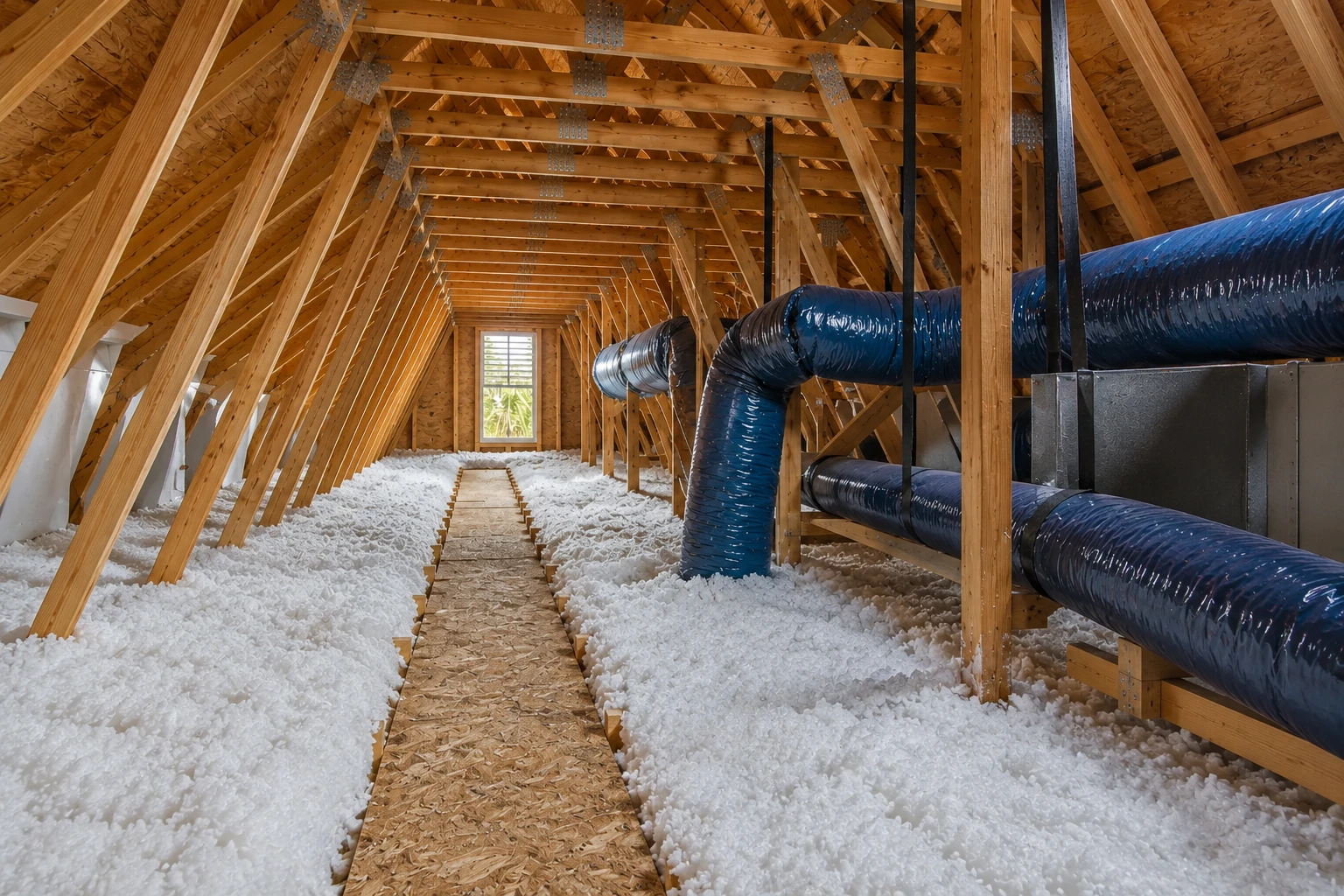
Air sealing services in Duluth close the small gaps where warm air from your rooms escapes into the attic, around plumbing vents, wires, chimneys and the attic hatch, so the attic stays cold and the house below holds its heat.
Most of our calls come from homeowners with ice dams, cold rooms or drafty basements, and the cause is usually warm air leaking up through gaps in the ceiling. The price depends on how many leaks your attic has, how many inches of old insulation sit over them and whether any of it is wet or full of droppings and has to come out first. The schedule turns on what I find up there, such as old wiring that needs an electrician before we can start, and once I've looked at your attic and written up the estimate, you'll have your own figure.
Minnesota requires a residential building contractor or remodeler license from anyone who contracts directly with a homeowner for more than one kind of skilled work, and we're fully licensed and insured. Before work starts, I check the permit rules with the city where your home is and tell you whether we'll pull the permit or what you'll need to do. We're based in Duluth and do the same work in Superior, Hermantown, Cloquet and other cities around the Twin Ports.
I want the checks finished before any insulation goes down, the same way a kitchen finishes its prep before service starts, because insulation laid over open gaps just fights a draft.
I look at your house myself, write up the estimate and stay on site with our crew during the work, so the person who found the leaks sees them closed.
When we finish, I walk you through what we sealed and why, so you know what changed in your attic, and we leave your rooms and stairs as clean as we found them.
Many of our air sealing calls start with ice dams, so I begin by tracing where warm air is slipping from your rooms into the attic. The usual spots are the gaps around plumbing vents, wiring, chimneys, recessed can lights and the attic hatch, plus the open tops of interior walls, and we close each one with caulk or spray foam, using metal rather than foam around hot flues. We also keep the vents along the eaves clear, so the attic can still breathe once the leaks are shut.
If your home has a fuel-burning furnace or fireplace, we make sure fresh air and venting are checked as part of the plan, because a tighter house can hold onto moisture and combustion gases when nothing has been planned for them.
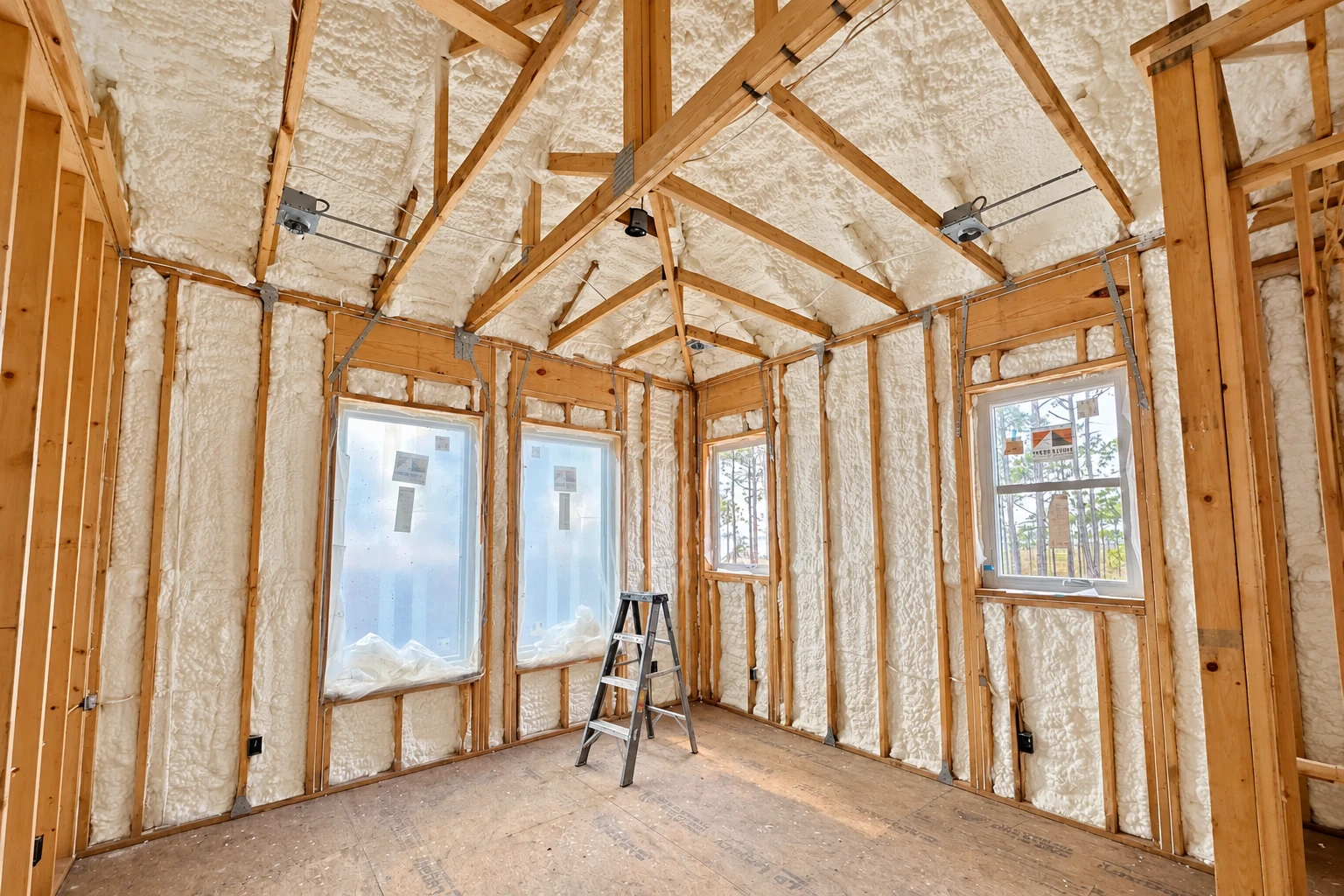
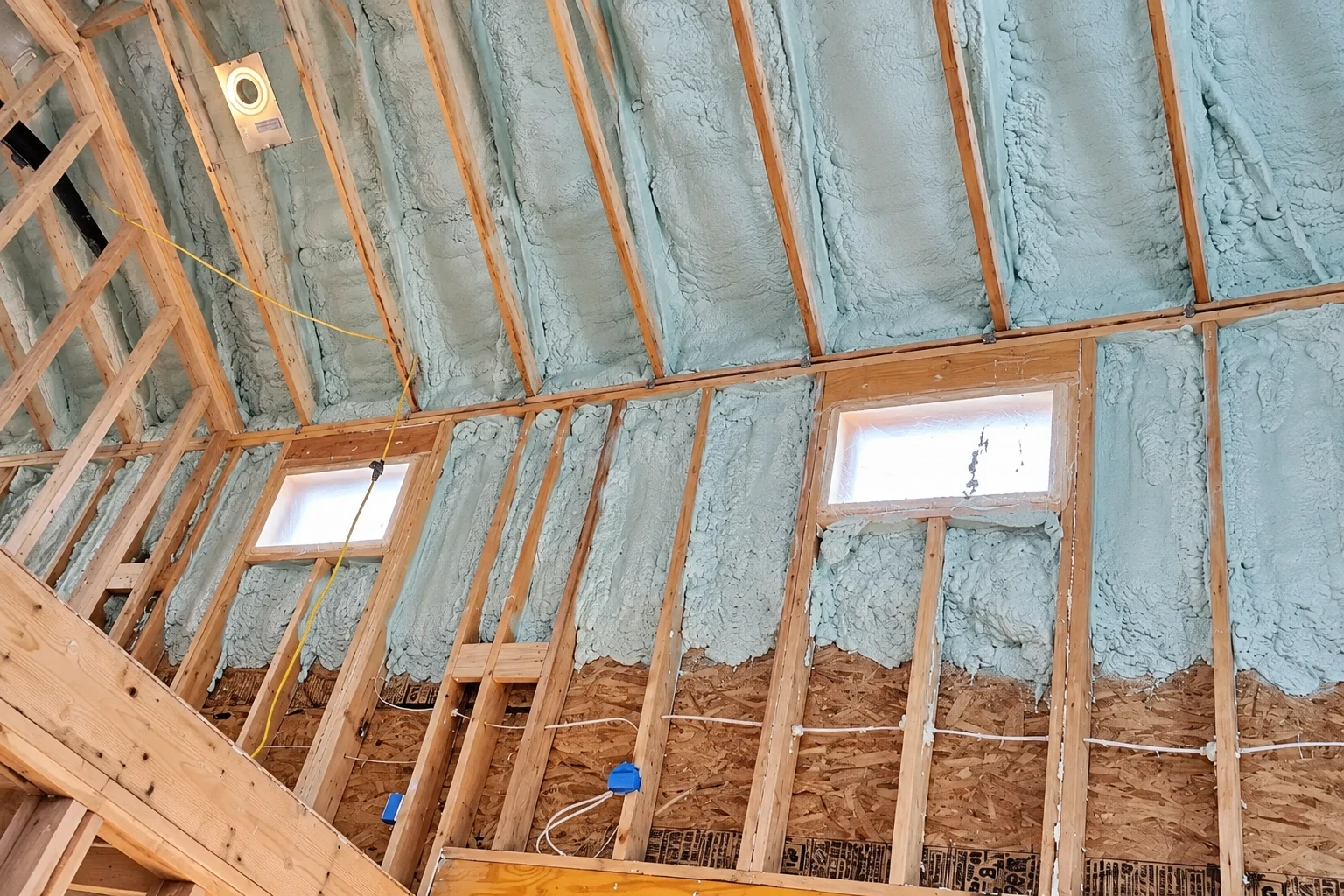
Not every gap needs the same fix. Closed-cell foam insulation, a dense foam that also blocks moisture, seals and insulates in one layer but costs more, so I usually recommend sealing the gaps and topping up the loose-fill insulation already there, unless your ductwork runs through the attic and the foam earns its cost. When the draft starts down low, where the house sits on the foundation, sealing it usually goes together with basement insulation.
Ridges of ice at the roof edge usually start with warm air melting snow higher up, so closing the leaks in the attic floor goes after the cause instead of the ice.
When upstairs rooms feel drafty, heated air is often escaping through the ceiling and cold air is being pulled in to replace it, and sealing those spots slows that loop down.
A room over the garage often has cold floors because gaps between the garage and the floor above let outside air in, so we seal those before anything else goes in.
If the power bill keeps going up and the house never quite feels warm, hidden air leaks are a common reason, and the attic is usually where I start looking.
Send the form and we'll reply within one business day to set a time. I'll come to your home, look at the attic myself and write up a free estimate, with no obligation to go ahead.
A story-and-a-half house, where the upstairs ceiling sits close to the roof, needs a different plan than a full attic, so mentioning it helps me come prepared.
If you know of knob and tube wiring or loose, pebbly vermiculite in the attic, please tell us, because either one changes what has to happen before sealing starts.
Tell us where the ice builds up or which rooms run cold, because that points me toward the leaks worth checking first when I'm up in your attic.
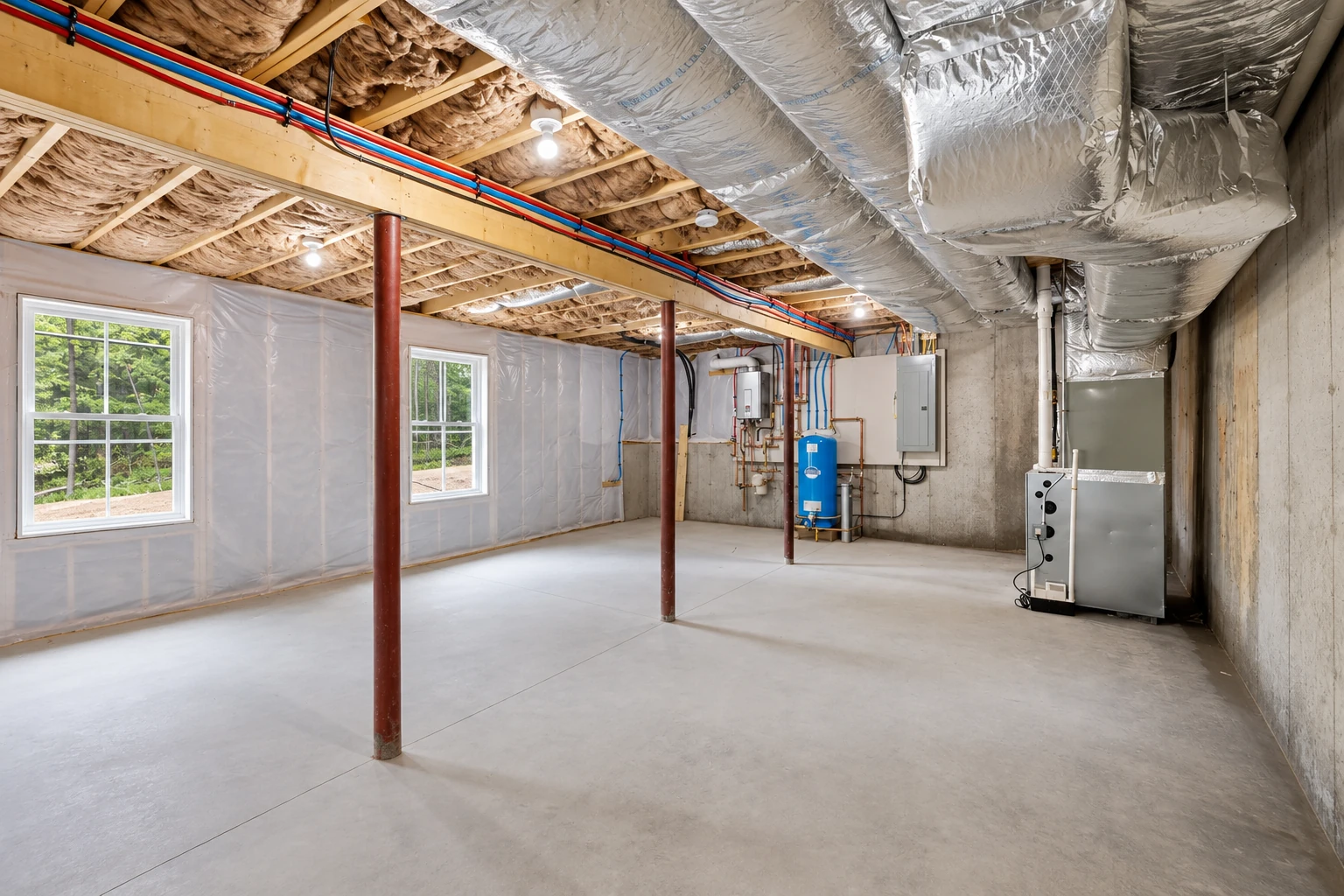
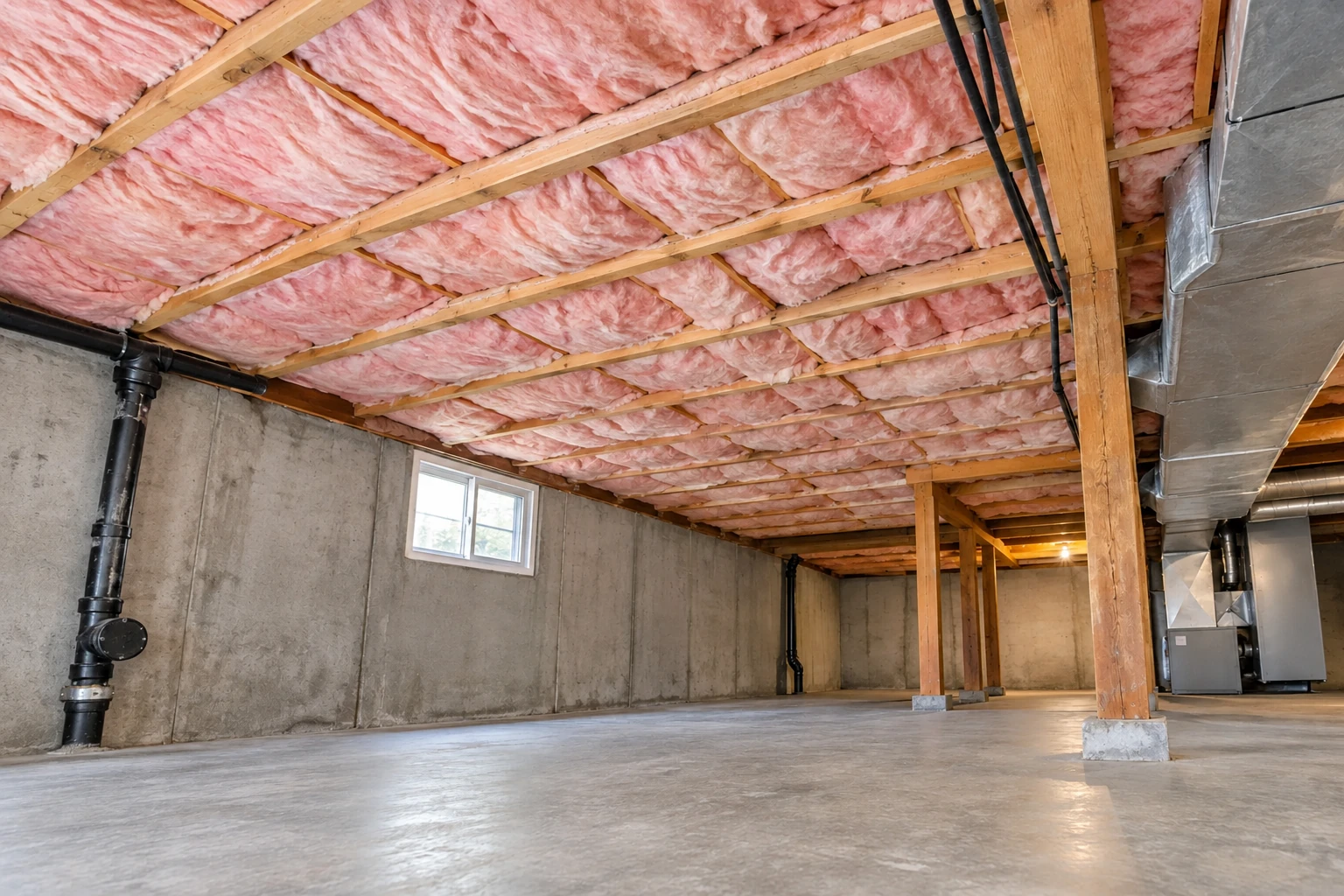
These photos show the kinds of attic spots we can talk through, like sealed pipe gaps, a weatherstripped hatch and covered wall tops.
Here are the questions Duluth homeowners ask me most about air sealing, from cost and ice dams to older homes and outside help.
Attic insulation and air sealing projects in Minnesota usually cost about $1,000 to $4,500 per project, and that range covers both jobs together. Most quotes that Minnesota energy advisors have reviewed land in the middle, because the price depends on how much work the house needs. Your own figure comes from the free estimate I write up after looking at your attic.
Yes, Ecolibrium3 offers free weatherization and air sealing to anyone in Duluth, renters included, who meets its income guidelines. Minnesota Power also offers an in-person assessment that uses a blower door test and infrared scans to find leaks, and you get $100 back for a home not heated by electricity, or $200 for an electrically heated home, when you use one of its participating auditors.
In most homes, sealing the attic's air leaks prevents nearly all ice dams, because warm air leaking into the attic is what melts the snow that refreezes at the roof edge. Story-and-a-half homes are harder, since the ceiling sits so close to the roof that there often isn't room for enough insulation. Sealing still helps a lot there, but it may not end ice dams entirely.
Seal first. The ceiling needs to be airtight before more insulation goes on, so warm, moist air from the house stops flowing into the attic and working against the new layer. Once the leaks are closed, adding insulation cuts heat loss further, and I can lay out both steps for you in one estimate.
If your house still has active knob and tube wiring, yes, because Minnesota energy advisors say a licensed electrician has to remove it before any insulating or air sealing. That work needs an electrical permit, which you apply for through the Minnesota Department of Labor and Industry. If the attic has vermiculite, you can have it tested for asbestos first, since asbestos is harmful to breathe.
Call (218) 206-2942 any day from early morning to late evening, or send the form, and thank you for considering us for your home.