The attic, in most houses
The attic is usually where we begin, because warm air slipping through the ceiling is behind a lot of cold rooms and high power bills, and the work stays up there, out of your way.
Cold rooms, a drafty upstairs or ice dams along the eaves? We seal the leaks first, then add insulation where your house needs it most.
Retrofit insulation in Duluth, MN means sealing air leaks and adding insulation to the house you already live in, usually starting in the attic, so the heat you pay for stays in your rooms.
Most of the calls we get start with ice dams, a cold room upstairs or a drafty basement. A lot of Duluth homes already have some insulation in the attic, and the trouble is usually the gaps underneath it that let warm air slip out of the rooms below.
The price moves with how much needs doing, such as how many gaps need sealing, how many inches are already up there, whether old material has to come out first and which parts of the house you want to take on. The schedule turns on the same things, plus any permit and anything that has to be settled before we start, and the estimate I write up at your home gives you the figure for your house.
I come out to look at your house and write up the estimate myself, and I'm on site with our crew when the work is done, so nothing in the plan gets lost.
We close the gaps around pipes, wires, lights and the attic hatch first, the way a kitchen finishes prep before service, so the new insulation isn't fighting a draft.
You're living in the house while we work, so we keep the mess to the attic, clean up before we leave, and walk you through what we did and why.
Retrofit work means adding to a house you already live in, so I look at the attic, walls and basement together and help you choose where to start for your budget. If you have a story-and-a-half home, we'll also have an honest talk about what more insulation can and can't do for ice dams, which I cover in the questions below.
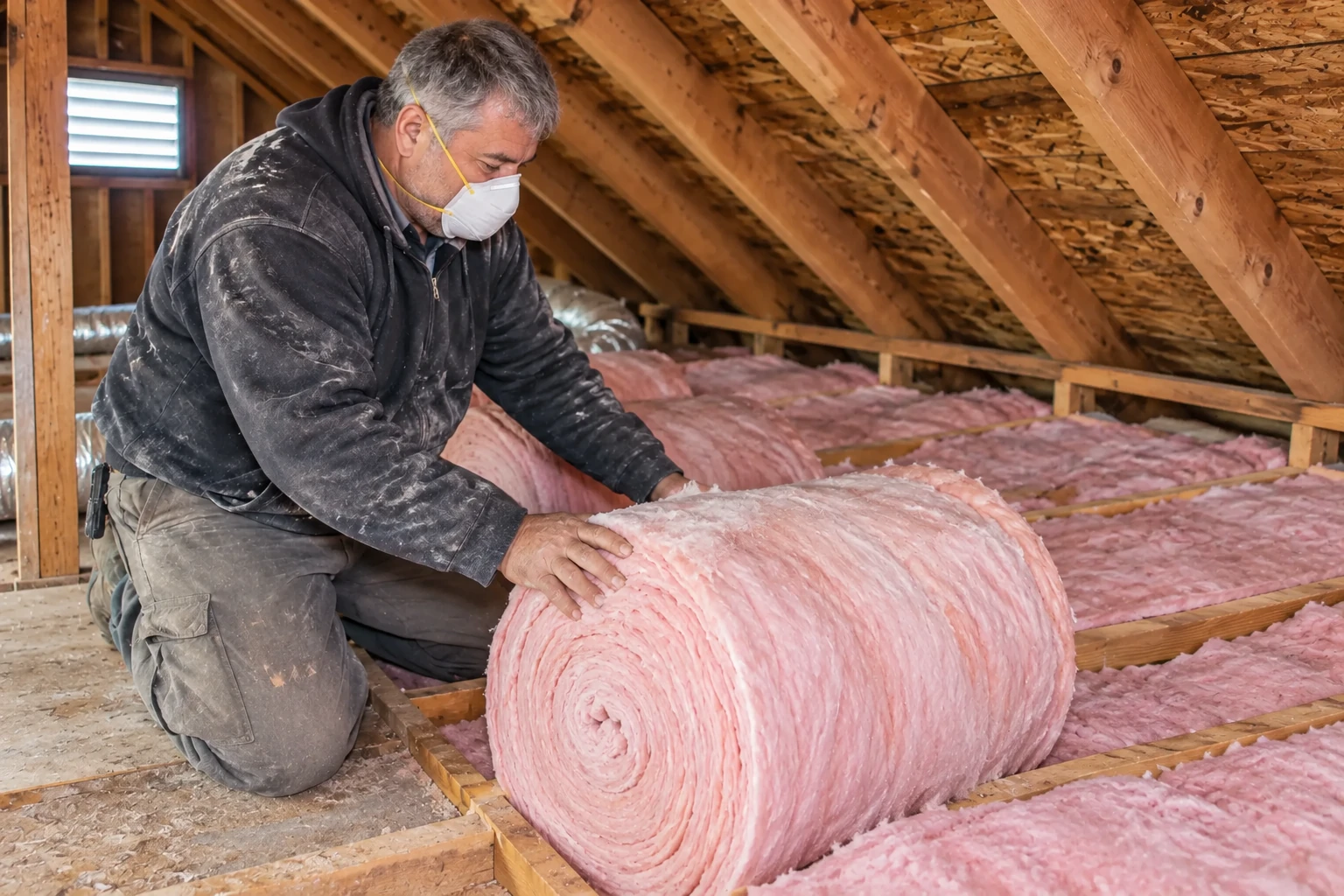
In most houses we start with attic insulation, and before anything new goes up, I check how many inches are already there and whether any of it is soaked or full of droppings, because fresh material over a bad layer keeps the problem. Once the gaps are sealed, we keep the eave vents clear so the attic can still breathe, then blow in loose fill through a hose, running it full depth out to the edges where thin spots usually turn up.
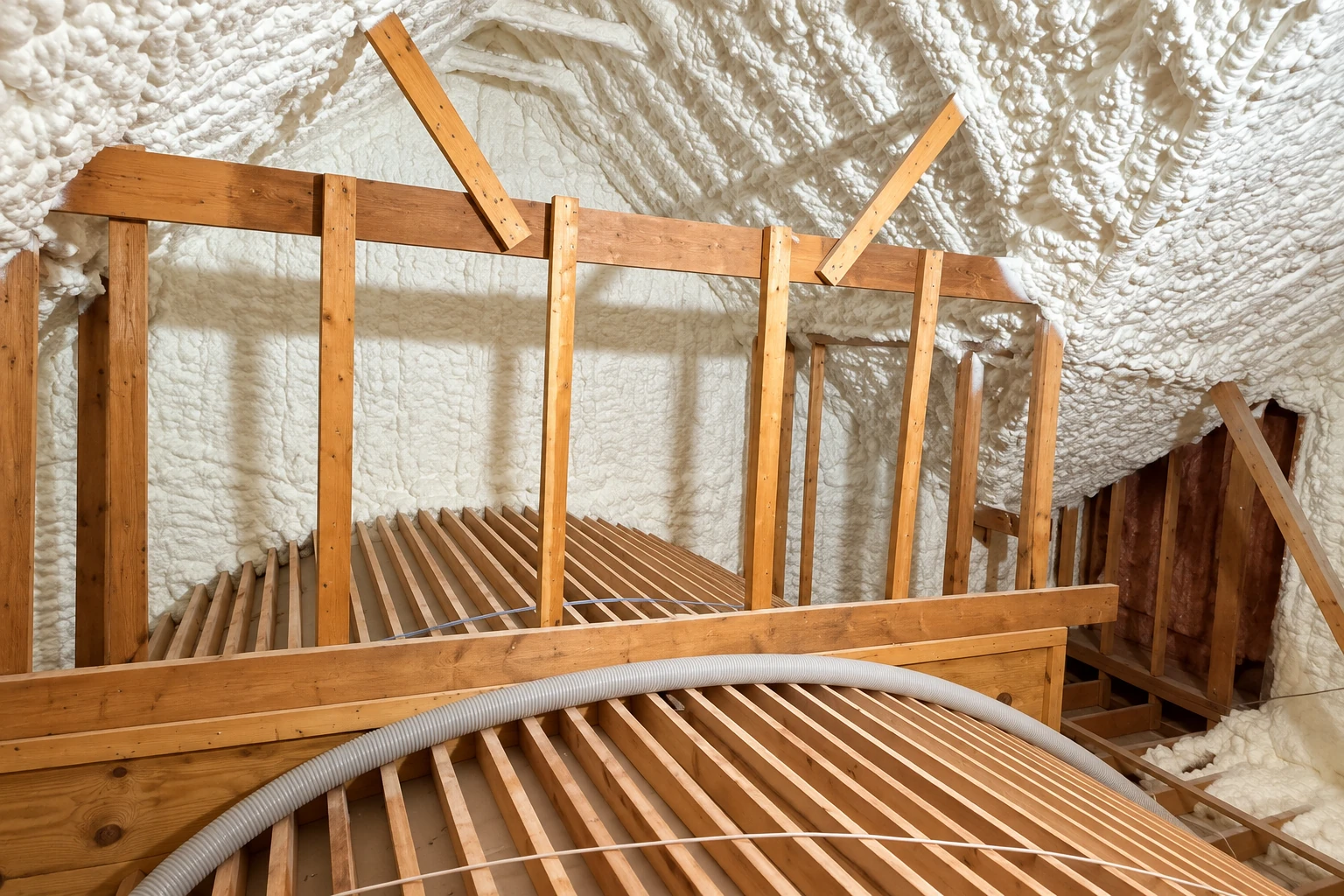
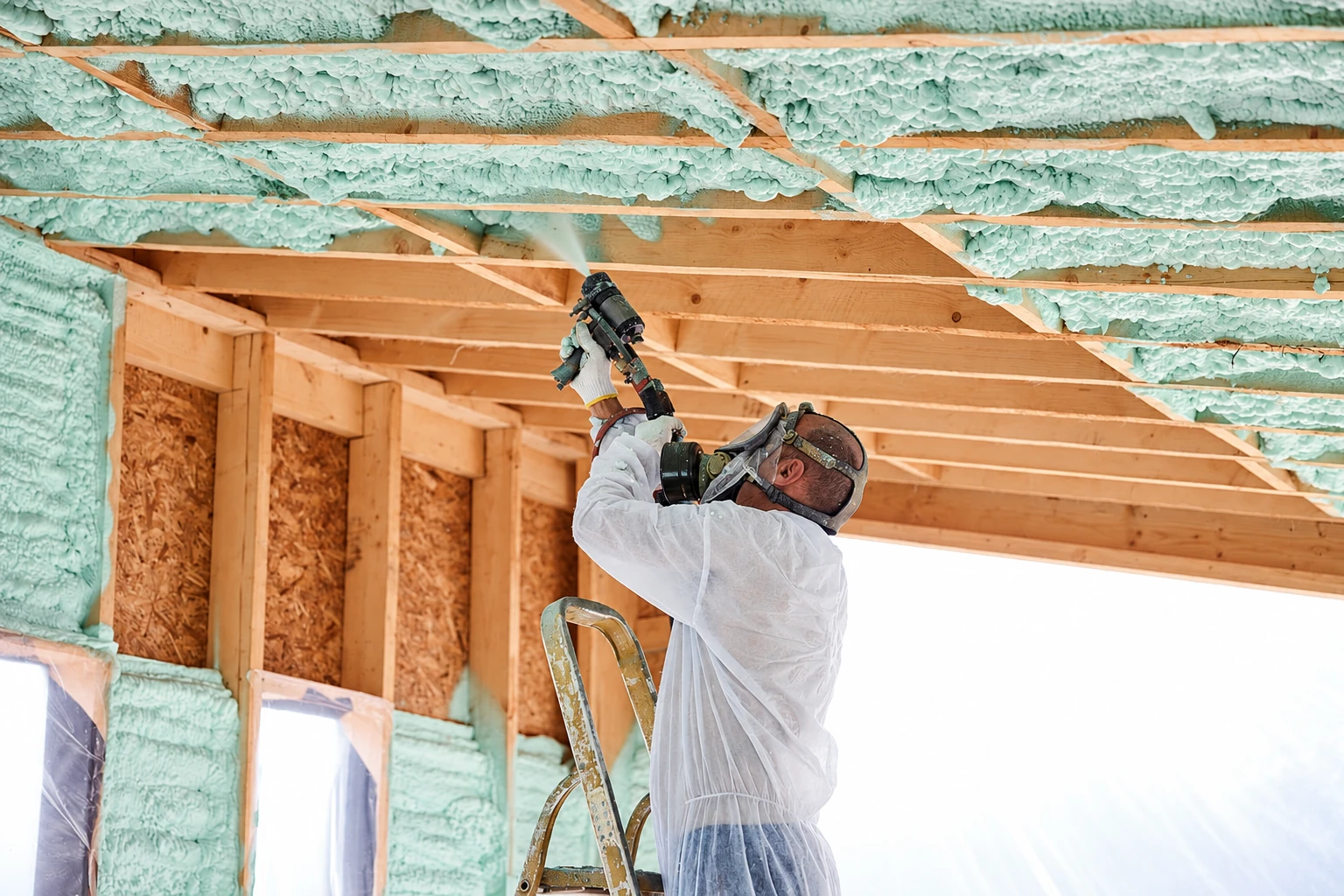
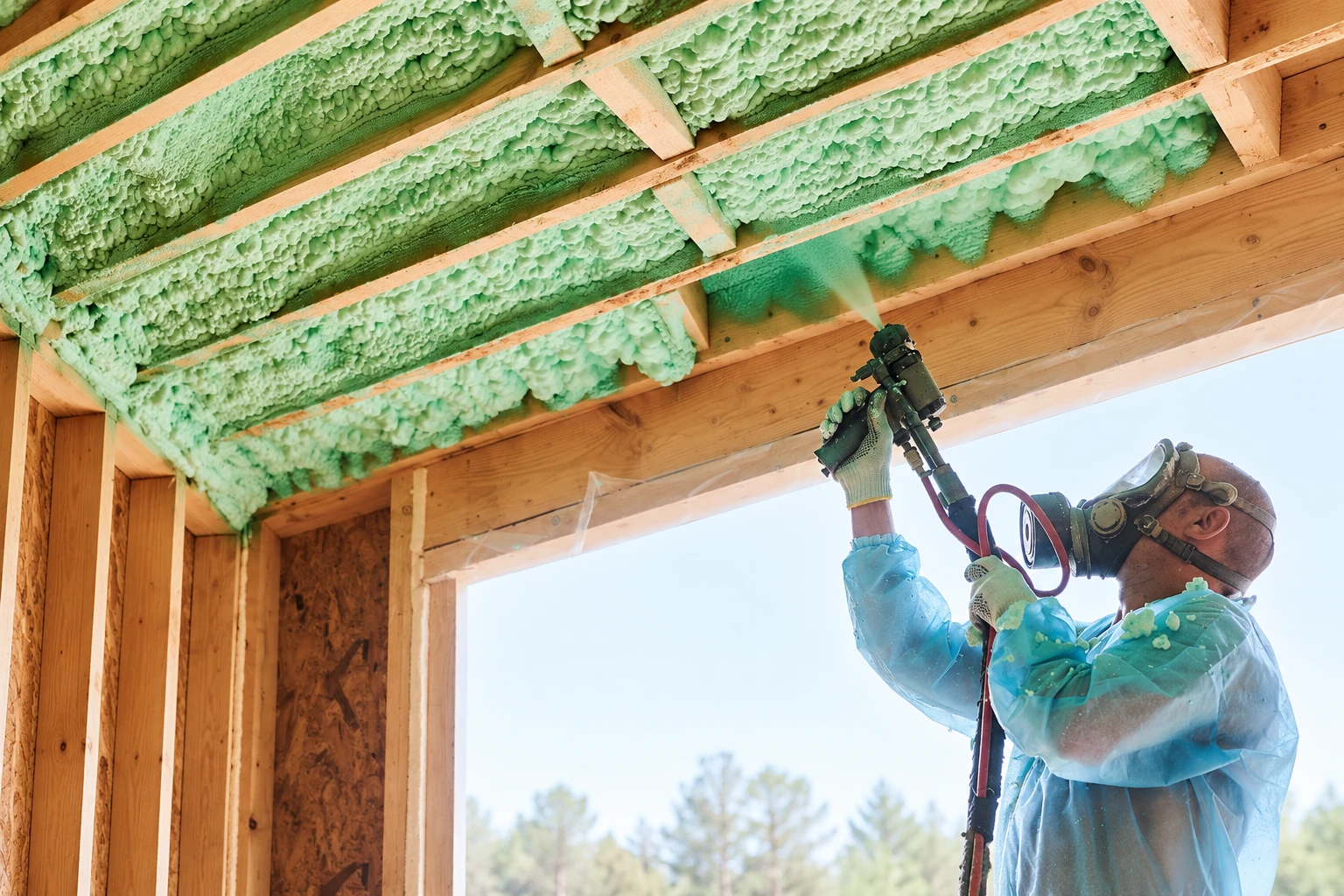
Homeowners often ask about spray foam insulation. Foam costs more and seals air as it insulates, which is worth it when your ductwork runs through the attic, but otherwise sealing the gaps and topping up with loose fill usually does the job for less, so that's where I'd start. With loose fill you can usually stay home, while foam comes with a re-entry time, the wait before your family and pets can come back inside, and I'll tell you that before we book.
The attic is usually where we begin, because warm air slipping through the ceiling is behind a lot of cold rooms and high power bills, and the work stays up there, out of your way.
We drill small holes from inside or outside and dense-pack cellulose, loose fill packed tight, into the walls. It seals and insulates well, but patching some siding is tricky, so we choose the side together.
The rim joist is the wood band where your frame meets the foundation, and the Minnesota Department of Commerce calls it the best place to begin in a basement, and the least expensive.
Cold floors over the garage usually mean thin insulation and open gaps in the floor below. I check it on the same visit, so it can join the plan when your budget allows.
Send the form and we'll reply within one business day to set a visit. I'll come out, look the house over and write up your estimate, free and with no obligation.
A story-and-a-half, a two-story or a ranch each has its own attic and its own trouble spots, so knowing the style helps me plan the visit and what to look at.
If your attic has vermiculite or active knob-and-tube wiring, please say so when you reach out, because both get settled before any insulation work begins, as the questions below explain.
Minnesota requires a license for residential contractors who offer homeowners more than one special skill, and we're fully licensed and insured, based in Duluth and working in Superior, Hermantown, Cloquet and other nearby cities. Your satisfaction, guaranteed.
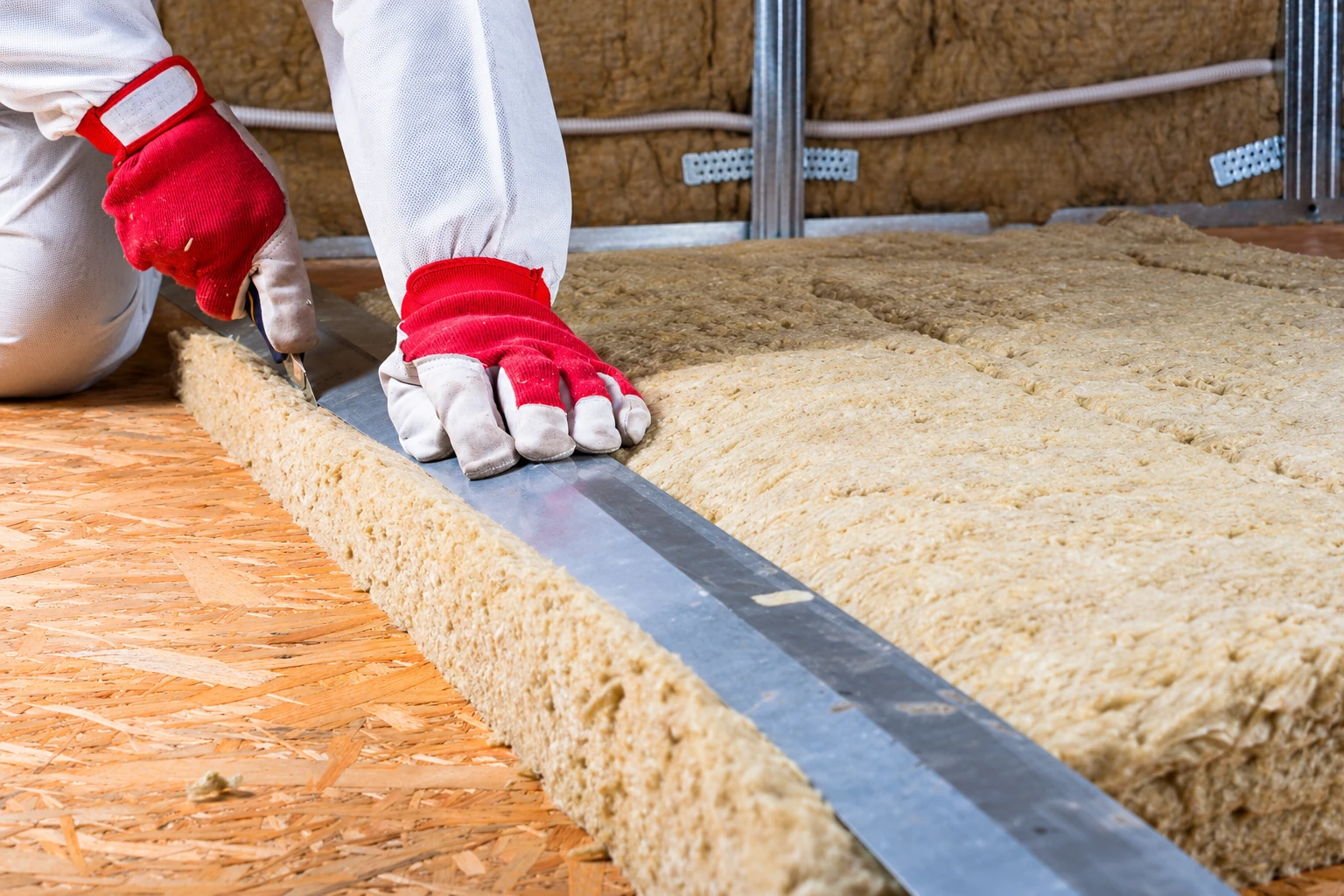
These photos show blown-in attic layers, sealed rim joists and foam in framing, examples of materials and layouts we can talk over for your house.
Here are common questions about cost, permits, ice dams and old attic materials before a retrofit insulation job starts.
Attic insulation and air sealing in Minnesota usually costs about $1,000 to $6,500 per project. Where a house lands depends on how much work the attic needs, and one Minnesota nonprofit's energy advisors say most quotes they review fall in the middle of that range. Your own figure comes from the estimate I write up at your home.
In Duluth, either the owner or the contractor doing the work gets the permit, and anyone who isn't the owner must be a licensed contractor under Minnesota's licensing rules. The City of Duluth requires building permits for alterations and repairs, so before work starts I check the rules with the city and tell you whether we'll pull the permit or what you'll need to do.
Usually not from the inside. The state's Commerce Department says interior basement walls are very hard to insulate properly because of the mold and moisture risk, and unless your basement's moisture risk is very low, leaving them uninsulated inside lets them dry and cuts down on mold and mildew. That's why we'd start at the rim joist instead.
Because the upstairs ceiling sits so close to the roof that there often isn't room for enough insulation, and attic air leaks are the main cause of ice dams. Warm, moist air escaping around plumbing vents, wires and chimneys also weakens the insulation you have. Sealing those leaks and insulating where we can help a lot, but may not guarantee a house free of ice dams.
Both get settled before we start. Minnesota health officials report asbestos has been found in vermiculite attic insulation, and disturbing it may cause exposure, so it needs a plan before anyone works up there. Active knob-and-tube wiring has to be removed by a licensed electrician before insulating and air sealing, and I'll help you sort out the order.
Minnesota rules say attic insulation can't go in until the accessible attic bypasses, the air paths between your heated rooms and the attic, have been sealed. Insulation slows heat but doesn't stop air moving through a gap, so we close those paths first and the new layer can do its full work.
Attic work goes easier before the deep cold sets in, so call (218) 206-2942 or use the form, and thank you for considering us.