
Spray foam insulation
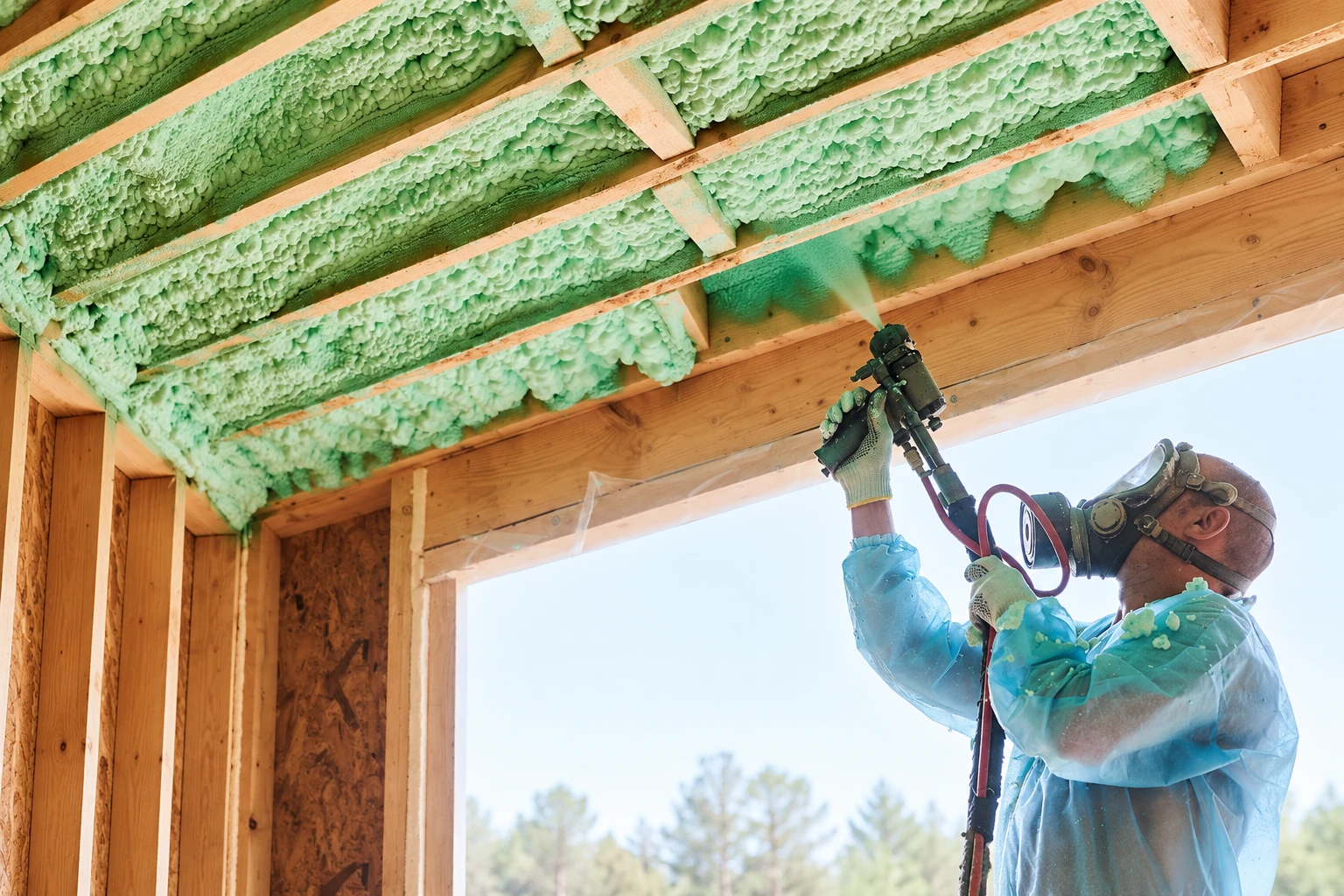
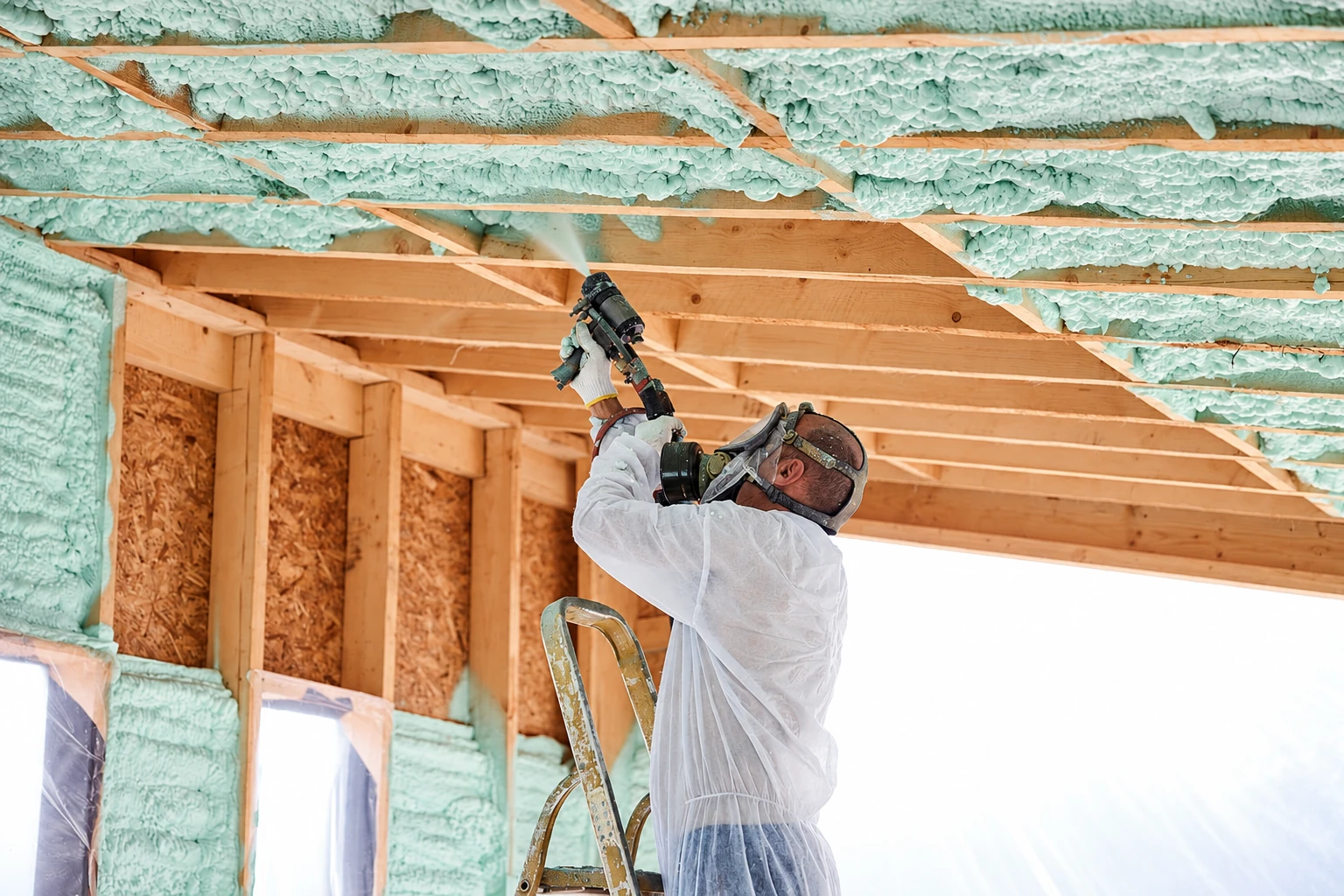
We spray foam into tight spots that loose fill can't reach, like the room over the garage, because foam seals air and insulates at the same time. It costs more, so I suggest it only where it's worth it.
Advanced Duluth Insulation Company is an insulation contractor based in Duluth, MN. We seal and insulate attics, walls, crawl spaces and basements for homeowners across the state line in Superior, WI.
Superior is a short drive from our base in Duluth, but it's on the Wisconsin side of the line, so your job follows the City of Superior's rules and the state of Wisconsin's, not Minnesota's. The city's Building Inspection Division issues permits for improvements and alterations to a home, and every contractor has to register with the city before working there. Before work starts, I check your job with the city and tell you whether we'll pull the permit or what you'll need to do.
The calls we get from Superior sound a lot like the ones from Duluth and Hermantown: ice dams along the eaves, a cold room over the garage, a drafty basement. Many of the houses we see here are older, with a few inches of insulation laid down years ago and gaps underneath that nobody sealed. Your price mostly depends on what I find up there. That means how many inches you already have, whether the old material is dry or has to come out, how many gaps need sealing, and whether ductwork in the attic makes foam worth its higher cost. The schedule turns on the same things, and if the city calls for a permit, it asks you to allow 10 business days for review once the application is complete. I put all of that in your written estimate, so you see your own figure before anything is decided.
Like a kitchen finishing its prep before service, we look for wet or dirty old material, open gaps and buried eave vents first, because new insulation laid over any of those keeps the problem.
I come out to look at your house and write the estimate myself, and I'm on site with our crew when the work is done, so nothing gets lost in between.
When we finish, I go over what we found and what we did about it, and we leave your house clean, because you should understand the work you're paying for.
We spray foam into tight spots that loose fill can't reach, like the room over the garage, because foam seals air and insulates at the same time. It costs more, so I suggest it only where it's worth it.
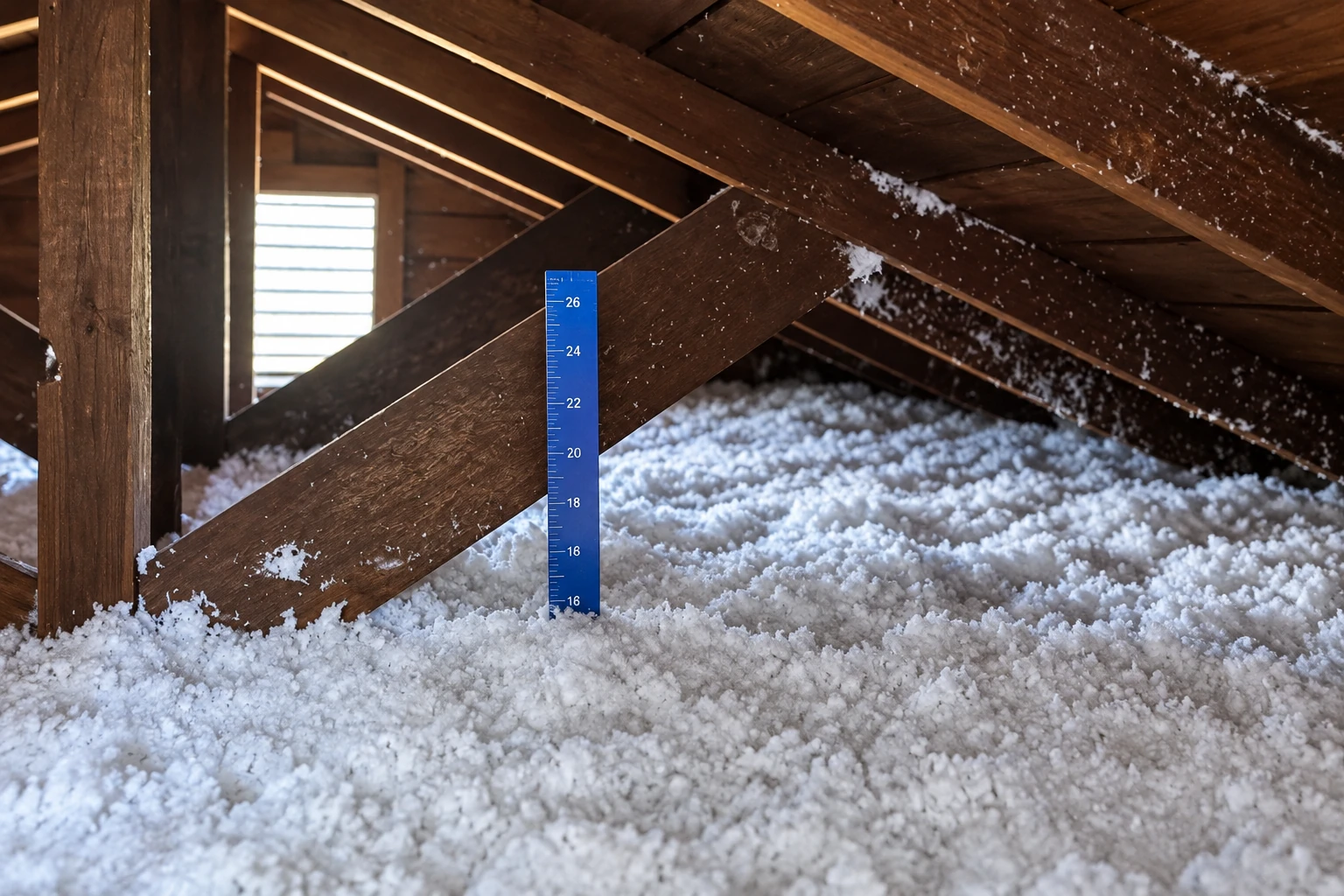
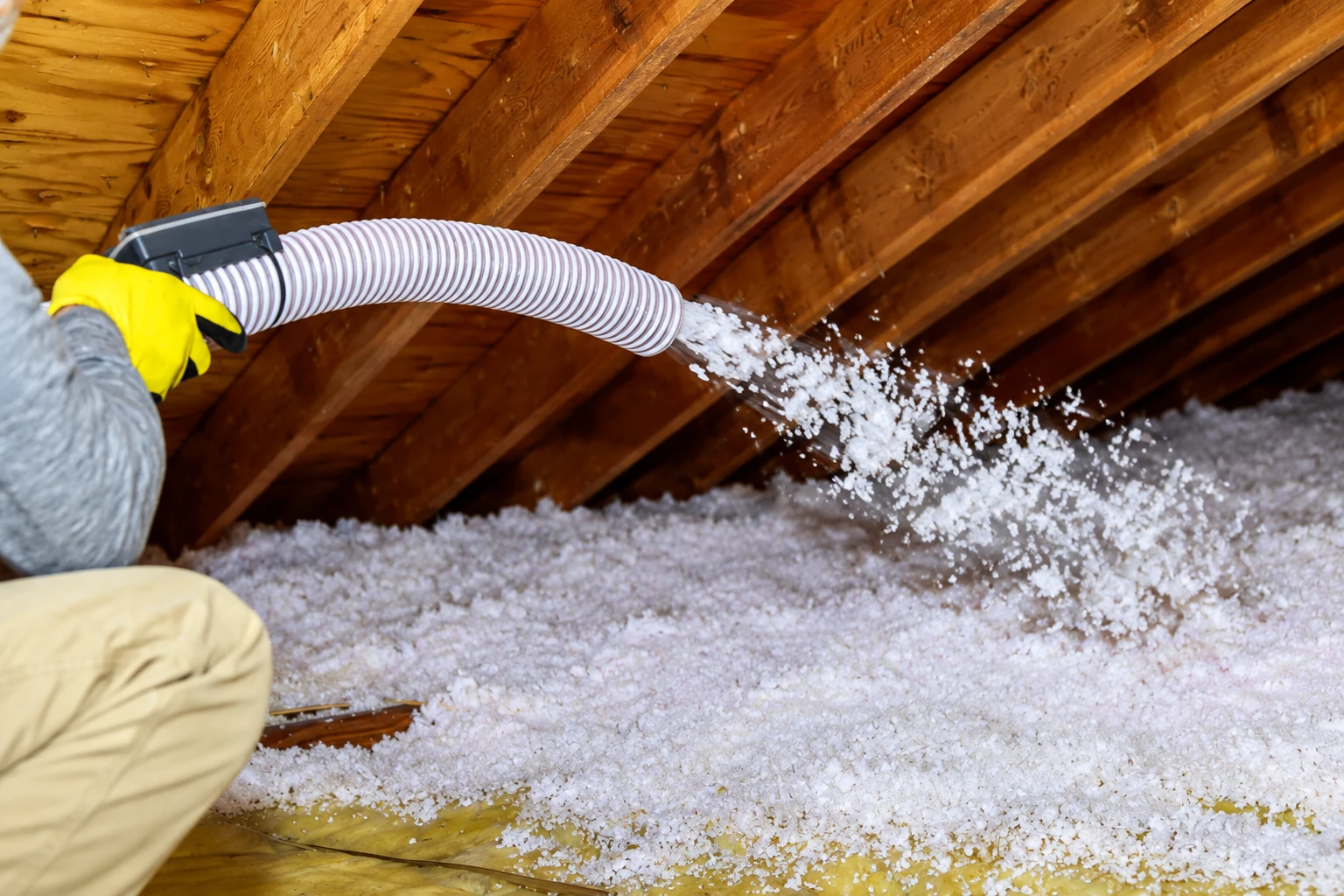
Many attics we open here already have a few inches of old insulation, so we measure what's there, make sure it's dry and clean, then add depth evenly out to the edges, where it's usually thinnest.
Blown-in insulation, loose fill blown through a hose, is how we top up most attics, because it settles around joists and wiring where batts leave gaps. We keep the eave vents clear so the attic can still breathe.
If the whole house feels drafty and you're not sure where to start, I go through the attic, walls, crawl space and basement on one visit and tell you which will help your power bill most.
When old insulation is soaked or full of droppings, we bag it out and clean up before anything new goes in, since fresh material over a bad layer only hides the problem.
Cold floors over a crawl space usually come from open rim areas and bare walls down there, so we seal and insulate those and leave the space dry and easy to get back into.
Older walls with little or nothing in them can be filled through small holes that we patch afterward, so you get warmer rooms without tearing out plaster or drywall.
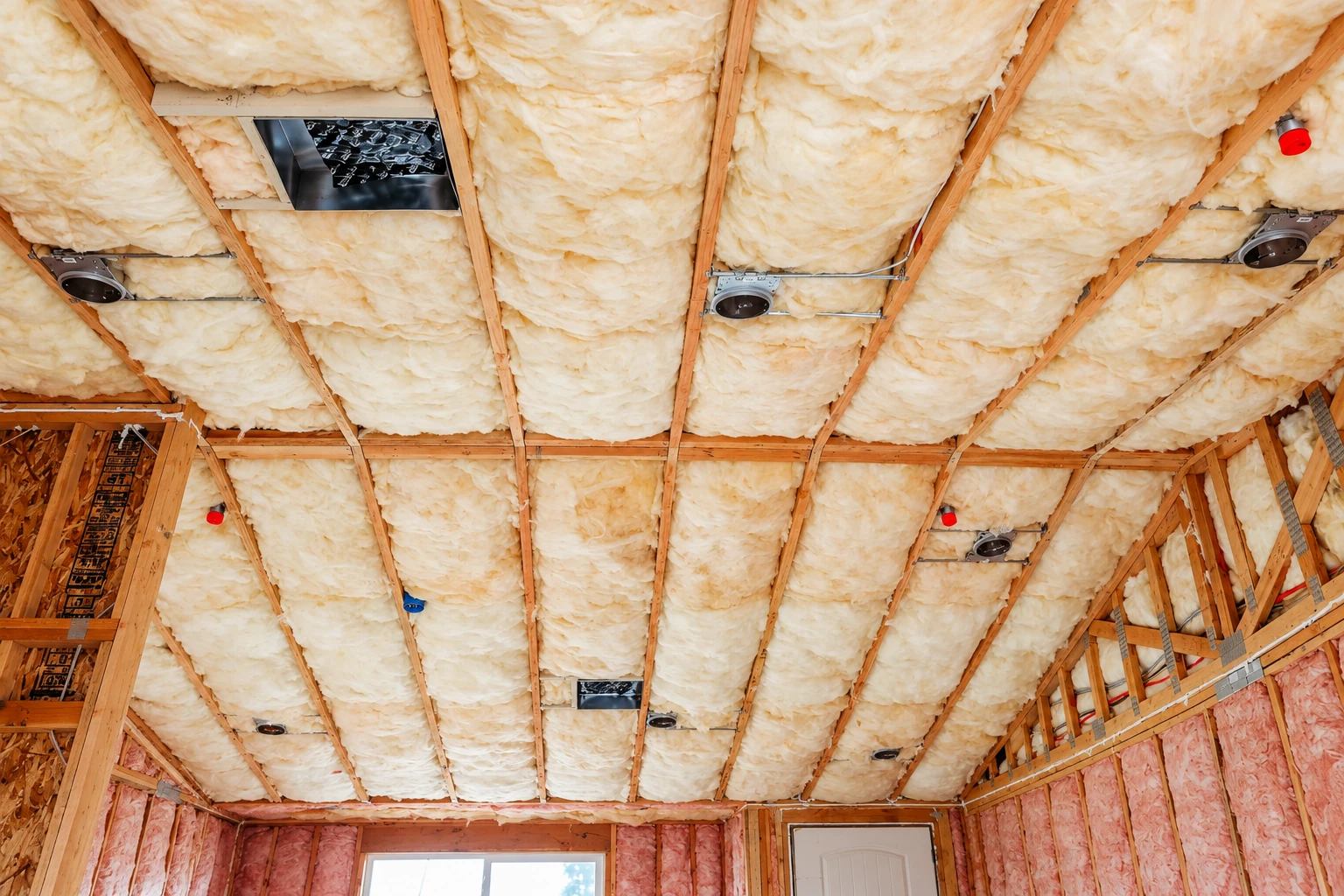
Air sealing, closing the gaps before we insulate, is where we start on most jobs. We seal around can lights, pipes, wiring holes and the attic hatch, because that's where warm air escapes and drafts get in.
Drafty basements are one of our most common calls. We usually start at the top of the foundation walls where the house framing sits, sealing and insulating there before we cover the walls themselves.
Closed-cell foam is dense foam that blocks moisture as well as heat, so we use it on basement walls and rim areas where dampness would ruin softer material over time.
Open-cell foam is lighter and softer and fills odd cavities well in walls and rooflines that stay dry. It costs less than closed-cell where moisture isn't a worry.
For shops, offices and rental buildings, I walk the building first and plan the work around your hours, so our crew can seal and insulate without keeping you closed any longer than needed.
A torn or missing plastic sheet on a dirt crawl space floor lets ground moisture rise into the house, so we lay a new barrier, seal the seams and run it up the walls.
When walls or ceilings are open, we put up the vapor barrier, the sheet that keeps moisture from the house out of the insulation, on the warm side, where it does its job.
This is the work we're best known for. We seal the attic floor around lights, pipes, chimneys and the hatch before any insulation goes in, which is often what stops ice dams along the eaves.
Retrofit work means adding insulation to a house that's already finished, so we plan around what's there and fill walls, attic and rim areas without opening more of your home than we have to.
Send the form or call, and we'll reply within one business day to set a time. I'll come out, look at the attic and the rest of the house, and write up a free estimate with no obligation.
Tell us what you're noticing, like ice dams, a cold room or a high power bill, and roughly how old the house is, so I know where to look first.
I measure how many inches are already up there, look for wet or dirty material and open gaps, and check the eave vents, because those decide what your job needs.
You get the work laid out in the order we'd do it, with any removal first and sealing before insulating, and I explain why each step is there before you decide.
Here are the questions Superior homeowners ask us about permits, contractor rules and what insulation day is like at home.
It can, because the City of Superior's permit list includes improvements and alterations to your home, so I check your job with the city before we start. When there is a permit, the city requires an inspection before any work gets covered up, which matters most when we fill walls. The inspection is booked by calling Building Inspection at (715) 395-7288 a day ahead.
Yes. The city requires every contractor and subcontractor to register before working in Superior. If a permit is pulled for a one- or two-family home, Wisconsin also requires the applicant to hold a state Dwelling Contractor certification, unless the applicant is the owner who lives there. We're fully licensed and insured, and it's a fair question to ask anyone you're thinking of hiring.
Usually not for blown-in attic work, because the crew works up there through the hatch while you go about your day. Spray foam is different. Everyone, kids and pets too, stays out until the re-entry time, the foam maker's wait before it's safe to come back in, and I give you that time before we start.
These are the cities with their own page on our site, and we also work in other cities around the Twin Ports. If you don't see yours, call or send the form and ask.
Call (218) 206-2942 or send the form before anyone lays new insulation, so any problems underneath get fixed first. Thank you for considering us.