
Basement rim joists
Rim joists, the framing that sits on top of your foundation wall, let in a lot of cold. Minnesota's home energy guidance offers sealed rigid foam boards there, with spray foam as the alternative.
Cold floors over a drafty basement or a chilly room over the garage? We seal the gaps and insulate them in one step.
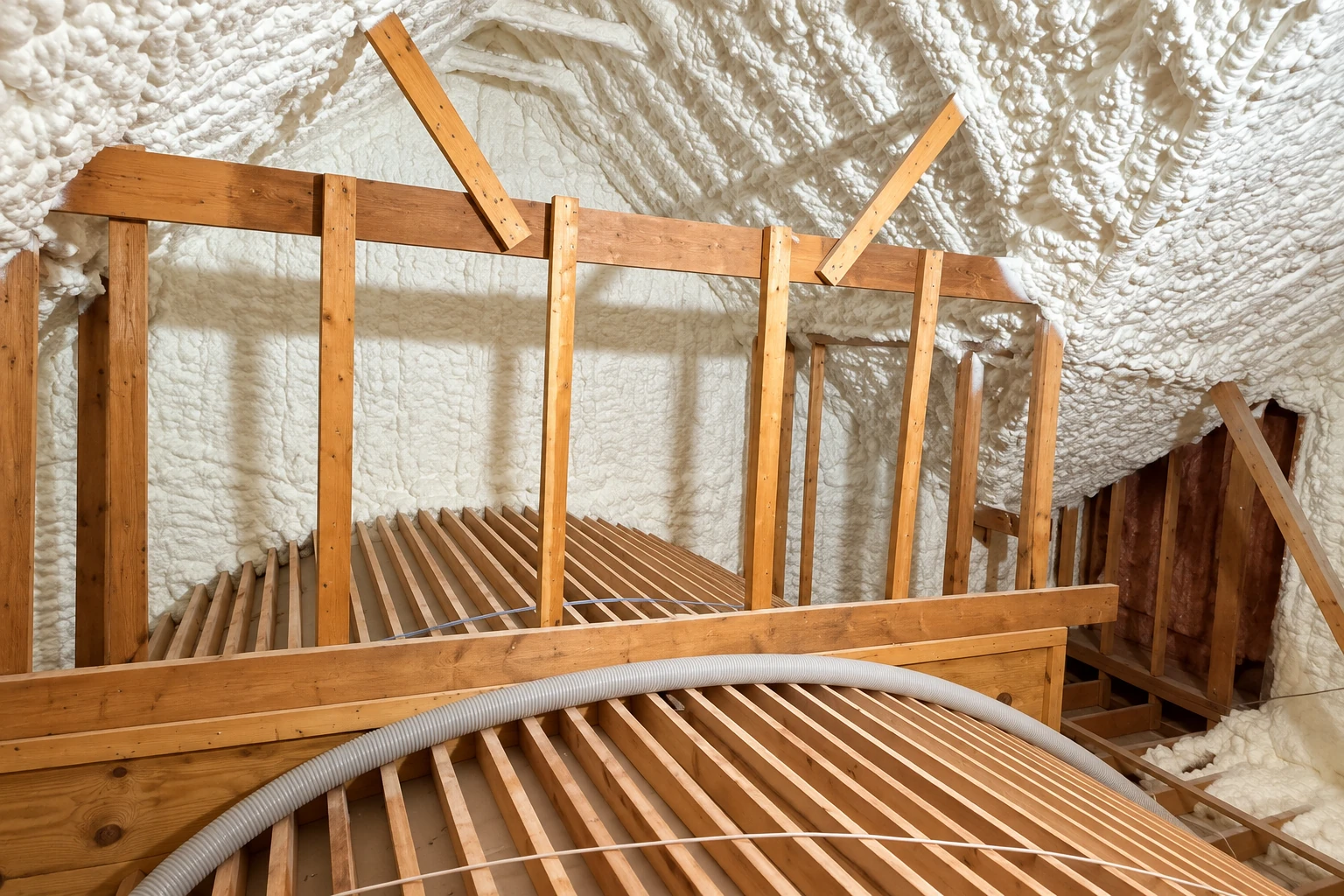
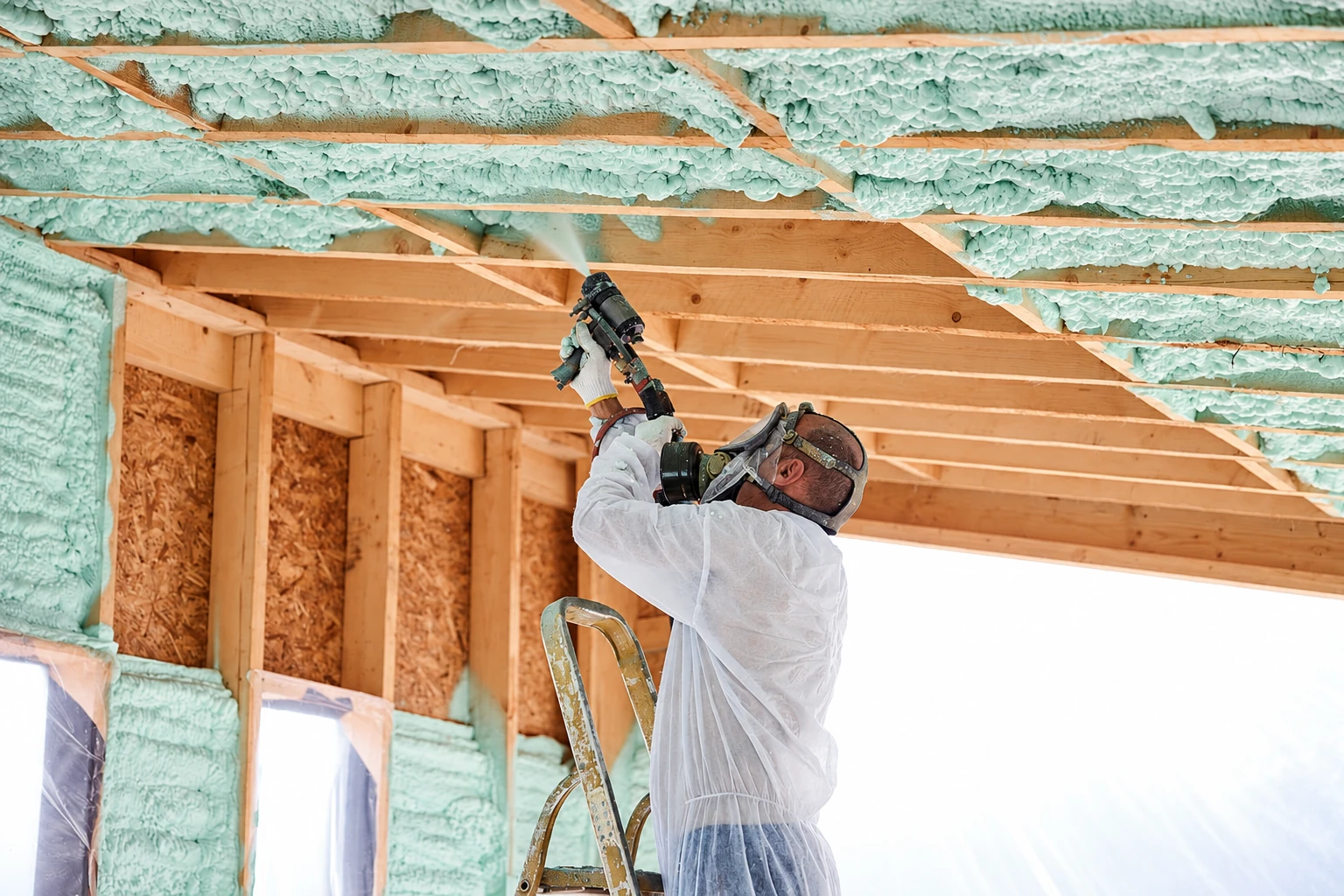
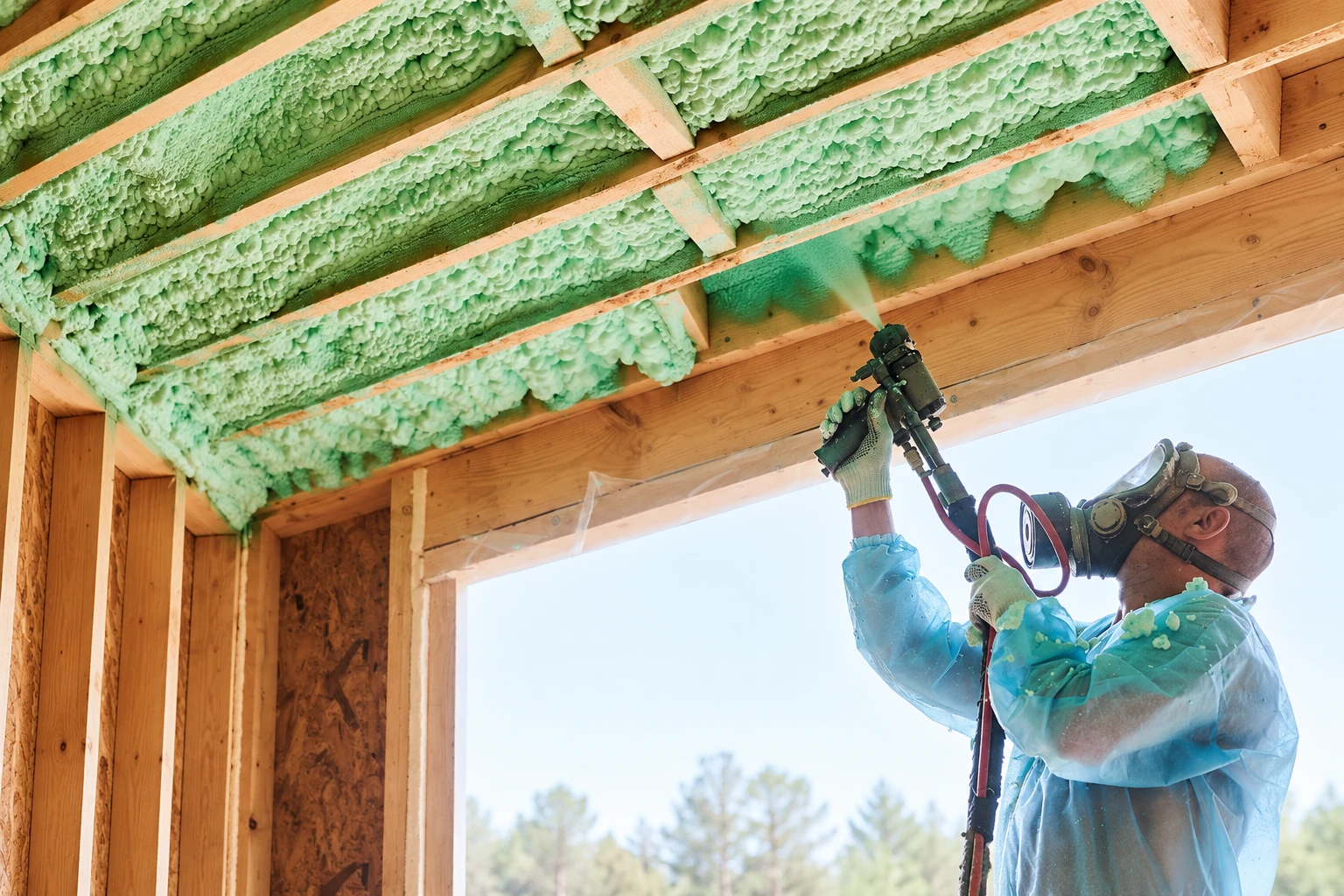
Spray foam insulation in Duluth is foam our crew sprays onto rim joists, walls and other open framing, where it expands into the gaps and insulates in the same pass, so a drafty basement or a cold room stops leaking heat.
Most foam calls we get start with cold floors, a drafty basement or the room over the garage that never warms up. We're based in Duluth and work in Superior, Hermantown, Cloquet and other cities around the Twin Ports, and across them we see a lot of older houses with open rim joists and gaps nobody ever sealed.
The price moves with the type of foam, how much area we cover, how thick it goes on and whether it needs a covering because you live in the room. The schedule turns mostly on the prep and on how long your household stays out while the foam cures, which depends on the product. I come out, look at the job myself and write up the estimate, so you get a figure for your own house, and before work starts I check the permit rules with the city where your home is.
I come out to see the job and write up the estimate myself, and I'm on site with our crew when the work is done, so the person who planned it is there.
I started this business here in 2023 after learning the trade on a local insulation crew, and we're best known for air sealing and insulation done in the right order.
When we finish, I walk you through what we did and why, and we leave your home clean behind us. Your satisfaction, guaranteed.
The first thing we settle is open cell, a softer foam, or closed cell, a denser one, and I help you choose by whether keeping heat in or keeping sound down matters more in that space. Before the day, we agree on when your household and pets should leave and when it's fine to come back, based on the product we're using, so nobody is guessing on the morning we spray.
Then the checks come first, the same way a kitchen finishes its prep before service starts. We look for old insulation that got soaked or filled with droppings, because foam over it just keeps the problem, and we make sure eave vents stay clear so the attic can still breathe. Only after that does our crew start spraying, and I'm there with them while the work is done.
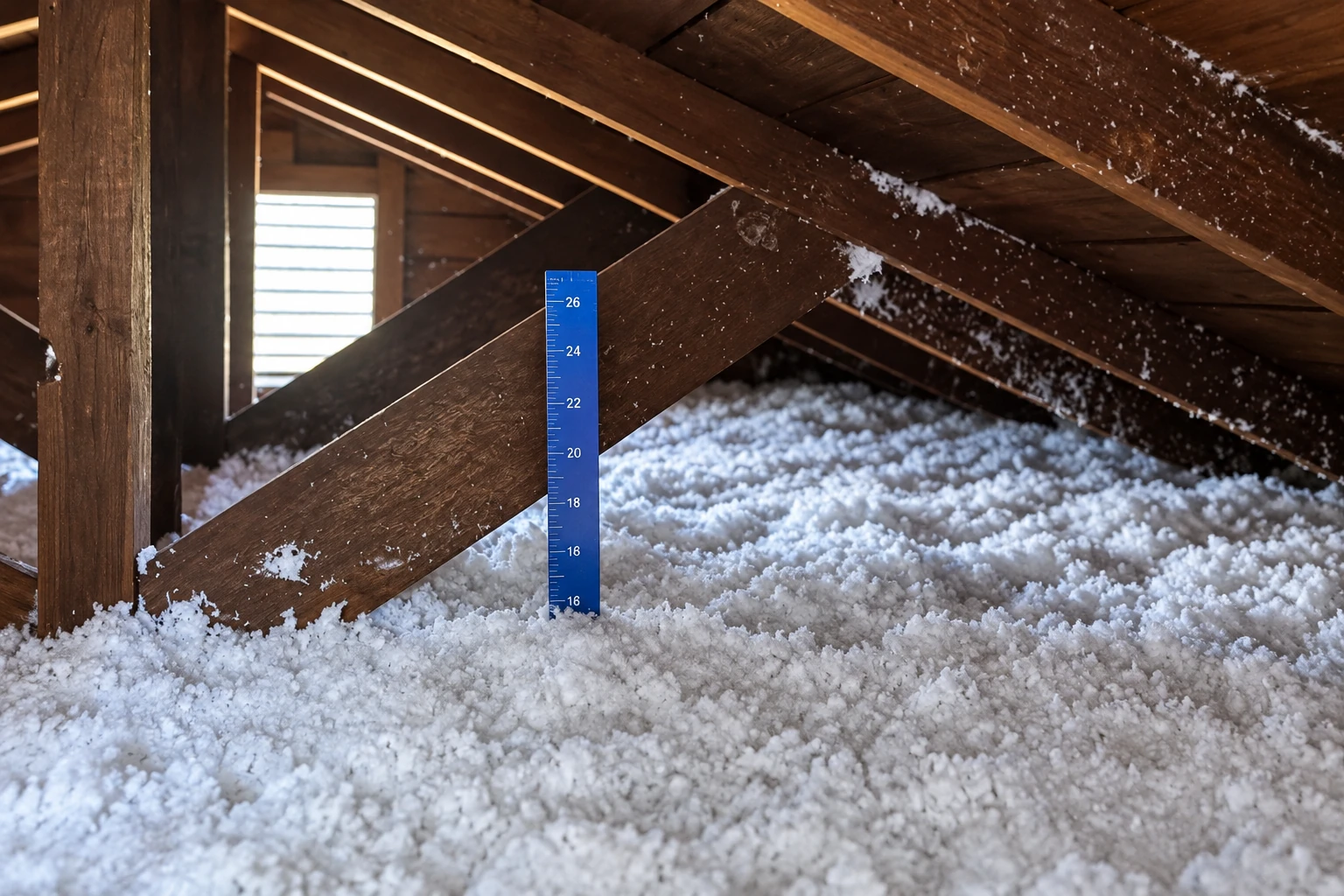
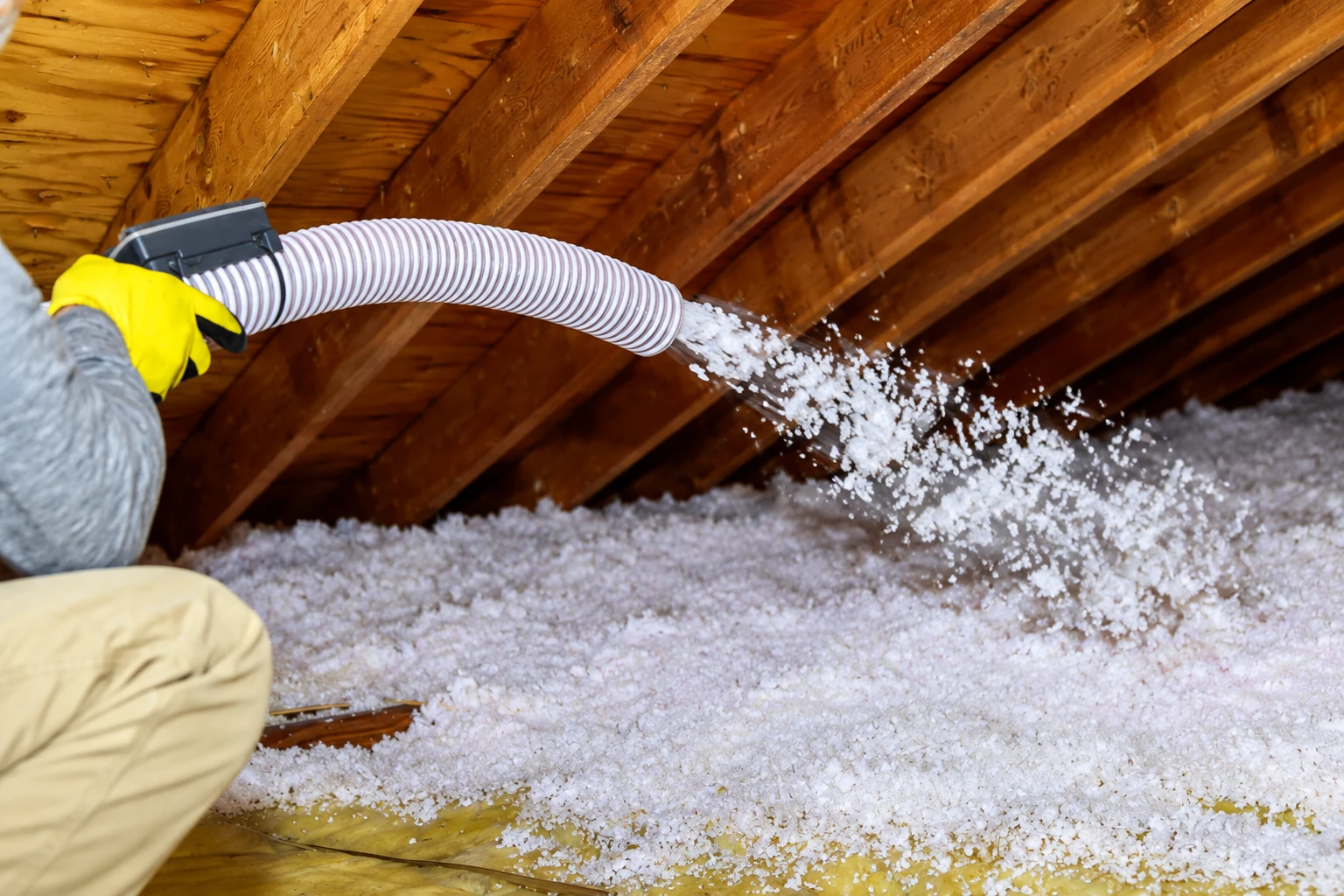
Foam costs more than other insulation because it seals air while it insulates. In most attics, sealing the gaps and topping up with blown-in insulation, loose fill we blow in through a hose, does the job for less, and I'll tell you so, unless your ductwork runs up there and foam is worth it. If the attic is your main worry, our attic insulation work starts with the same checks.
Rim joists, the framing that sits on top of your foundation wall, let in a lot of cold. Minnesota's home energy guidance offers sealed rigid foam boards there, with spray foam as the alternative.
Cold floors over a garage usually come from gaps and thin insulation in the ceiling below. Foam fills those gaps and insulates at once, so the floor stops pulling heat out of the room.
Where pipes and wires pass through the rim or sill, foam fills the odd-shaped openings that batts can't reach, so the draft stops right where it comes in.
Open-cell foam quiets a bedroom or home office next to a busy room, which is why we suggest it where noise matters to you more than heat.
Send the form and we'll reply within one business day to set a time. I come out myself, look at the spaces you want foamed and write up a free estimate, with no pressure and no obligation.
Tell us which spots bother you, like the rim joists, the room over the garage or a certain wall, so I can look closely at each one during the visit.
A guess is fine, because I measure on site before I write anything up. It still helps me plan the visit, since the price follows the area and the thickness.
If you'll be finishing the basement or living in the room, please say so, because foam in living space needs a covering, and that belongs in the estimate from the start.
These example photos show open-cell and closed-cell foam at rim joists, walls and rooflines, so you can point to the look you're picturing.
Here are the questions we hear most about spray foam in Duluth, from the price and foam type to permits and time away.
Spray foam insulation in Duluth usually costs about $1,800 to $4,500 for a 1,000-square-foot area with 3 inches of insulation, according to one local cost guide. Open-cell foam sits toward the lower end of that range and closed-cell toward the upper end. Your own figure depends on your space, so I write it up after I've seen it.
Closed-cell is the pick where heat matters most, because it's about twice as energy efficient per inch, and open-cell is the pick for sound, because it's a much better sound barrier. Open-cell blocks air but isn't a vapor barrier, so at a rim joist in the coldest climates it might need added vapor and condensation control.
Plan to stay out until the foam has cured and the house has been aired out and cleaned, which is what EPA guidance calls for. Some foam makers recommend 24 hours, but times vary by product, so we set your leave and return times around the one we're using.
In rooms you live in, yes. A federal weatherization guide says foam needs a thermal barrier or coating, such as drywall, between it and living space, and local code officials settle any differences. Tell us if you plan to finish the space, so the covering is part of the plan and the price from the start.
It may, and the city makes that call, so I check before we start and tell you whether we'll pull the permit or what you'll need to do. Duluth's Construction Services & Inspections issues building permits for work such as alterations and repairs, takes applications online and has Permit Coordinators at 218-730-5240 if an application hits a snag.
Minnesota's Department of Labor and Industry requires a license for contractors who work in more than one special skill area, and it lists insulation and vapor barriers under interior finishing. Contractors in one specialty, other than residential roofers, need no state license. We're fully licensed and insured, and I'm happy to answer any questions about it.
Thank you for reading, and since we take calls every day into the evening, call (218) 206-2942 or send the form when it suits you.