Ice dams along the eaves
When icicles and ridges of ice build up at the roof edge, warm air from the house is often reaching the roof, and the attic is where we start looking.
Ice dams, cold upstairs rooms and a high power bill often start in the attic. We find those leaks and seal them shut.
Attic air sealing in Duluth closes the gaps where warm air from your rooms leaks up into the attic, usually around the chimney, plumbing vent, wiring and can lights, so the heat you pay for stays downstairs.
Most of the calls we get come from homeowners dealing with ice dams, cold rooms or drafty basements. I started this business in Duluth in 2023 after learning the trade on a local insulation crew, and attic air sealing done in the right order is the work we're best known for.
The price depends on how much your attic needs: how many openings there are, how easy it is to move around up there, and whether anything has to be fixed before we seal. The schedule turns on the same things, because a problem found in the attic adds a step ahead of the sealing, and on any permit the city requires. Your estimate, which I write up after I've seen the attic, puts your own figure on it.
I come out to look at your attic and write up the estimate myself, and I'm on site with our crew while the work is done, so nothing gets lost between visits.
I'll tell you what was in your attic, what we sealed and why we did it in that order, so you know what the work covered and what to watch for.
Attic work can track dust and old insulation through a house, so we protect the way in and clean up before we leave. Your satisfaction, guaranteed.
I like to start with a blower door test, a fan set in an outside door that pulls air out of the house so the leaks show themselves, because it tells us which gaps are worst and those get closed first. If the attic shows mold or signs of mice or other pests, that gets taken care of before we seal anything, the same way a kitchen finishes its prep before service starts.
Then our crew works the worst gaps by hand, along with the attic hatch, which gets missed more often than you'd think. We don't seal around insulation that's been soaked or is full of droppings, because the problem stays right under the new work, and we keep the eave vents clear so the attic can still breathe. Once the sealing is done, insulation can go on top, and in older houses that's where retrofit insulation comes in.
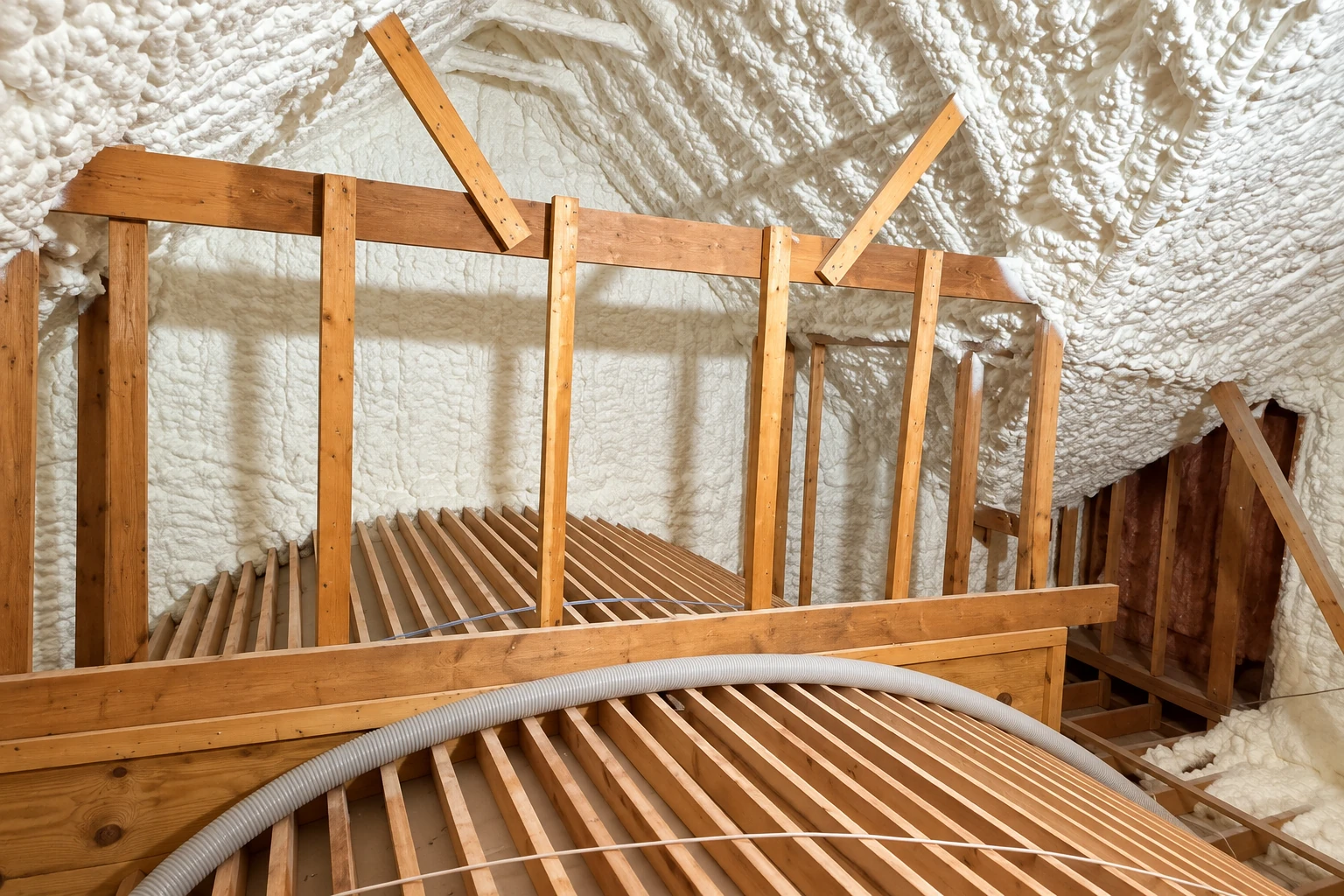
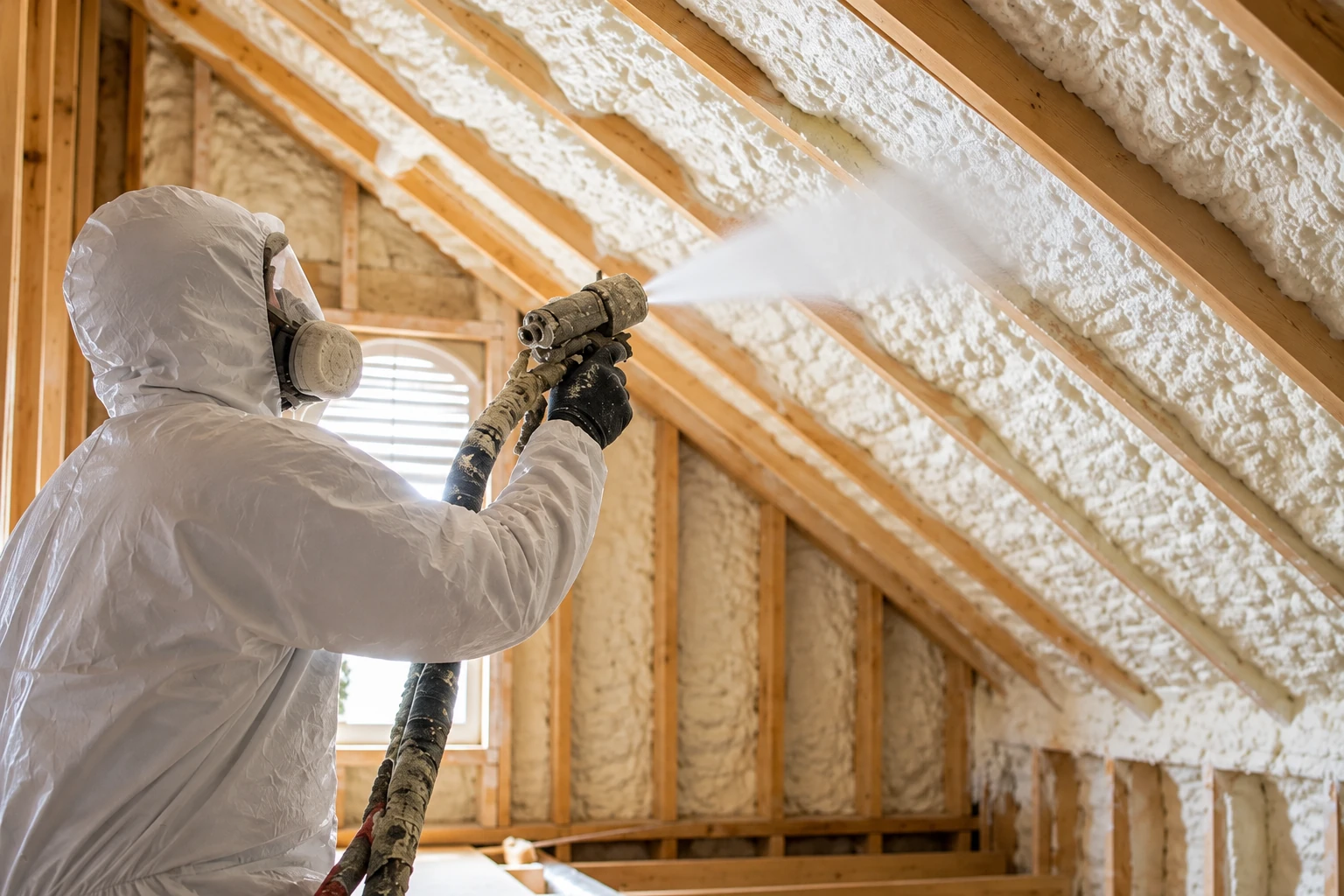
Some homeowners ask about spray foam insulation, which seals air while it insulates but costs more. For most attics I'd rather seal the gaps and top up the loose fill, unless your ductwork runs through the attic, where foam usually earns its price.
When icicles and ridges of ice build up at the roof edge, warm air from the house is often reaching the roof, and the attic is where we start looking.
When the bedrooms upstairs never warm up, or the room over the garage stays cold, warm air is often slipping out through the ceiling before it does any good.
If you're planning to add insulation, sealing comes first, because loose fill laid over open gaps lets air pass right through it and the new layer can't do its job.
Older homes with can lights, a chimney, plumbing vents and a loose attic hatch tend to leak the most, and each of those openings is something we can seal.
Send the form and we'll reply within one business day to set a time. I'll come out, look at your attic myself and write up a free estimate, with no obligation.
Let us know what kind of home you have and how it's heated, gas or electric, so I come ready for what's likely up in the attic.
Ice dams, droppings, damp or old insulation and a cold room over the garage all help me plan, because some of them add a step before sealing can start.
We're based in Duluth and work in Superior, Hermantown, Cloquet and other cities around the Twin Ports, so if you're nearby, please send the form.
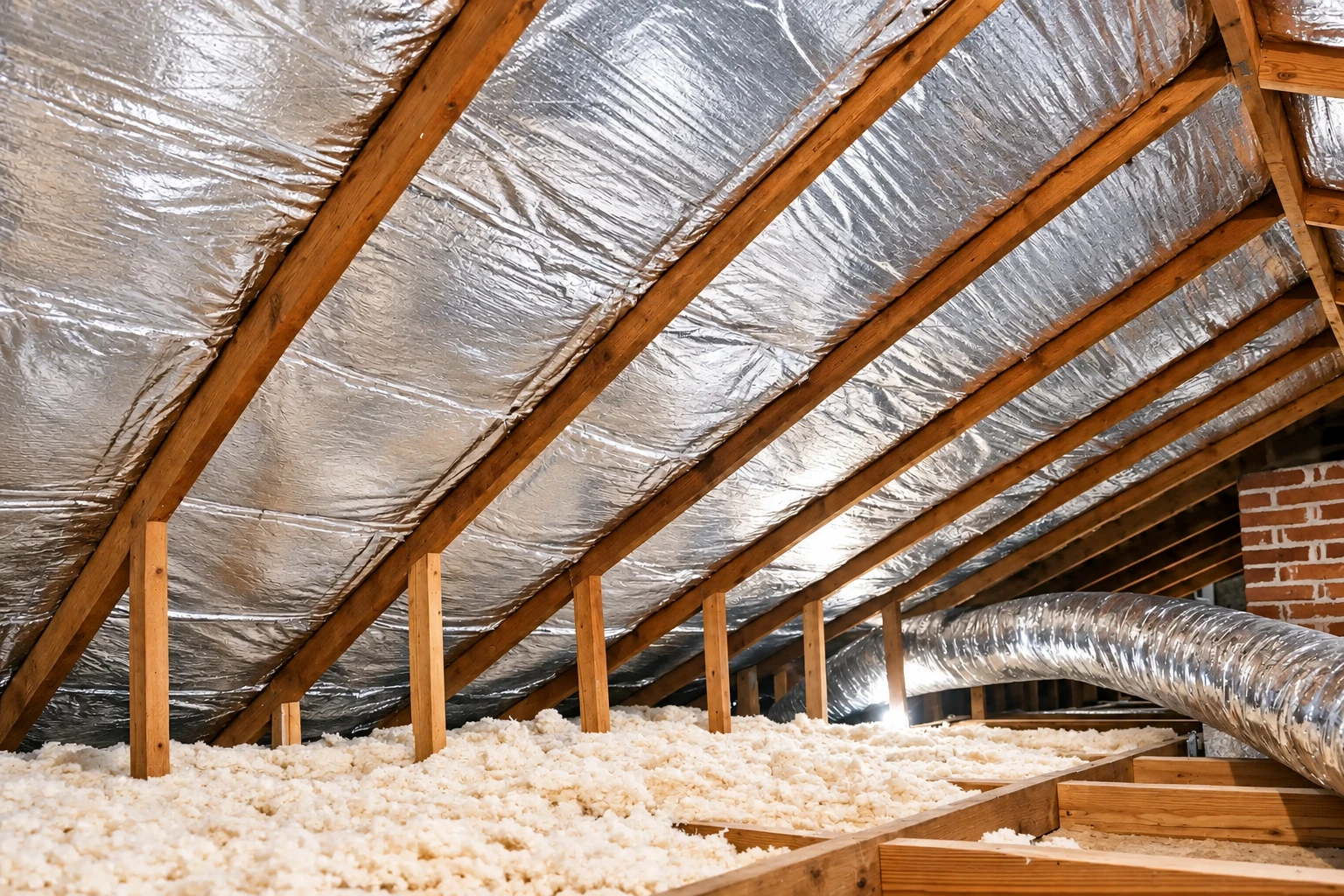
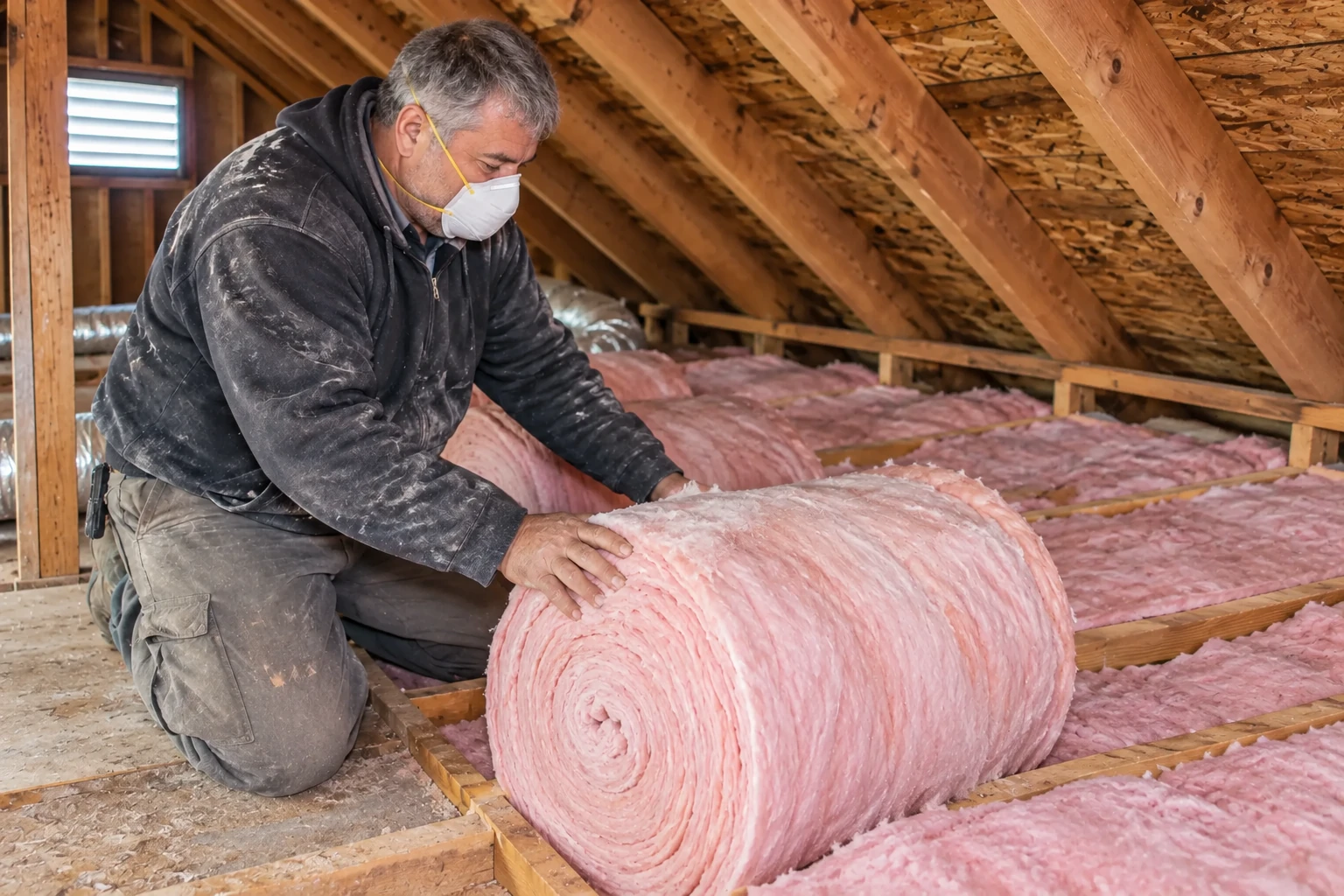
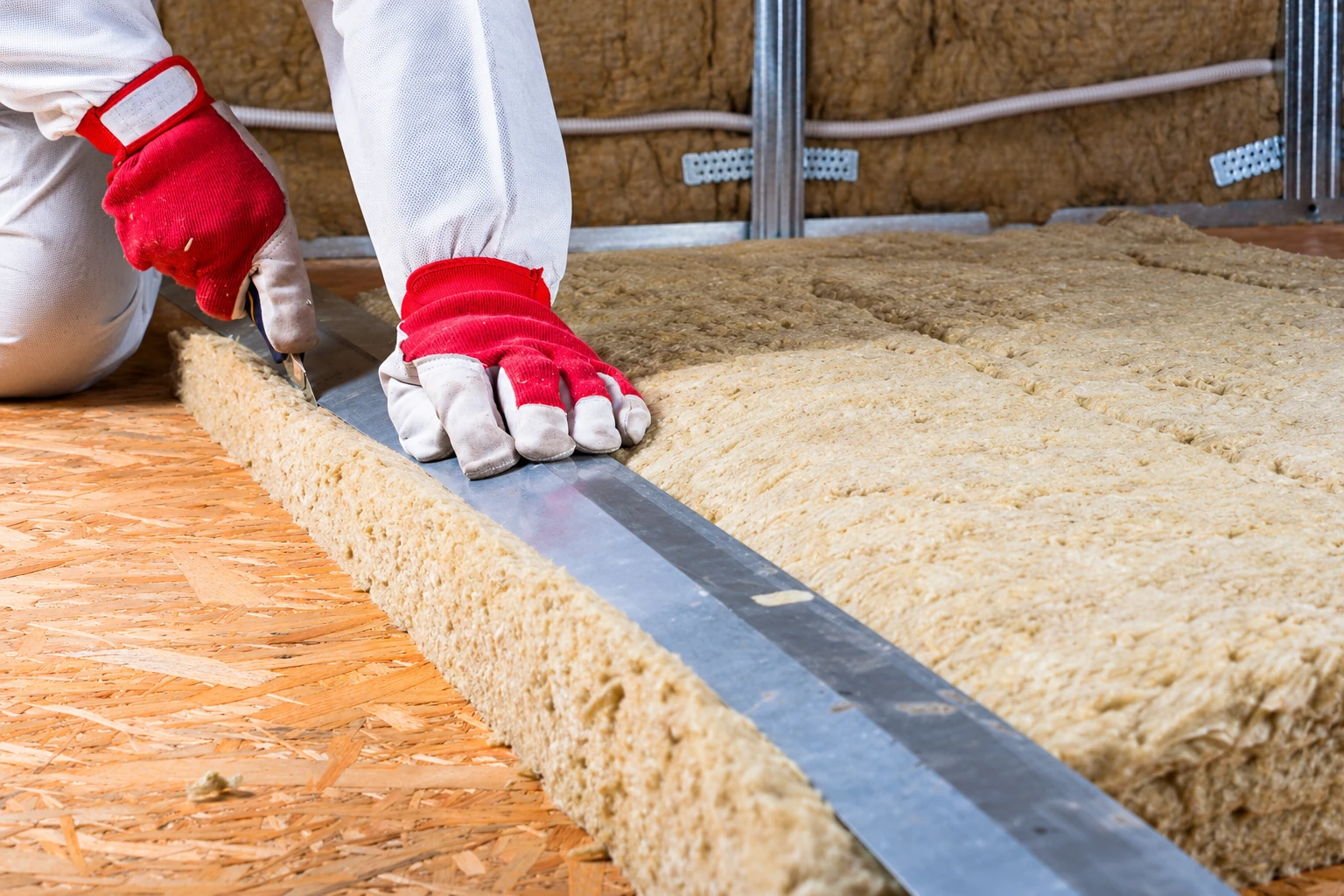
These photos show common sealing spots, such as chimney gaps, can lights and hatches, plus foam and loose-fill finishes we can talk through.
Here are the questions homeowners ask us most about cost, permits, ice dams and what we might find up in the attic.
Attic insulation and air sealing in Minnesota usually costs about $1,000 to $4,500 per project, and most quotes that energy advisors in the state review land near the middle. Where yours falls depends on how much work your attic needs. I'll give you your own figure in a written estimate after I've seen it.
It may need one, so I check before we start. The City of Duluth requires a building permit for altering or repairing a building, and I confirm with the city whether your job falls under that. Then I'll tell you whether we'll pull the permit or what you'll need to do.
It usually helps a lot, but it can't promise a roof free of them. In many homes, heat leaking into the attic is the major cause of ice dams, and sealing goes straight at that. Story-and-a-half homes are harder, because the ceiling sits so close to the roof, so we seal and insulate wherever we can reach.
Leave it alone and let us know before anyone goes up there. The EPA says to assume vermiculite may contain asbestos and recommends not disturbing it, and federal guidance says it has to be dealt with before air sealing goes ahead. That adds a step before we can seal, and I'll explain what we found and what comes next.
Yes, if Minnesota Power is your electric company. Minnesota Power offers a $100 rebate on its building diagnostics audit for homes not heated by electricity and $200 for electrically heated homes, for owner-occupied single-family homes where you pay its bill. The visit can take up to four hours, and it's worth asking a few participating auditors for quotes, since prices vary.
A contractor working directly for you on a one to four unit home needs a state license when the job covers more than one special skill, and the Minnesota Department of Labor and Industry issues those licenses. A company doing only one skill doesn't need one, so ask which license covers your whole job. We're fully licensed and insured.
Call or use the form so we can seal the leaks before deep snow sits on your roof, and thank you for considering us.