Ice dams along the roof edge
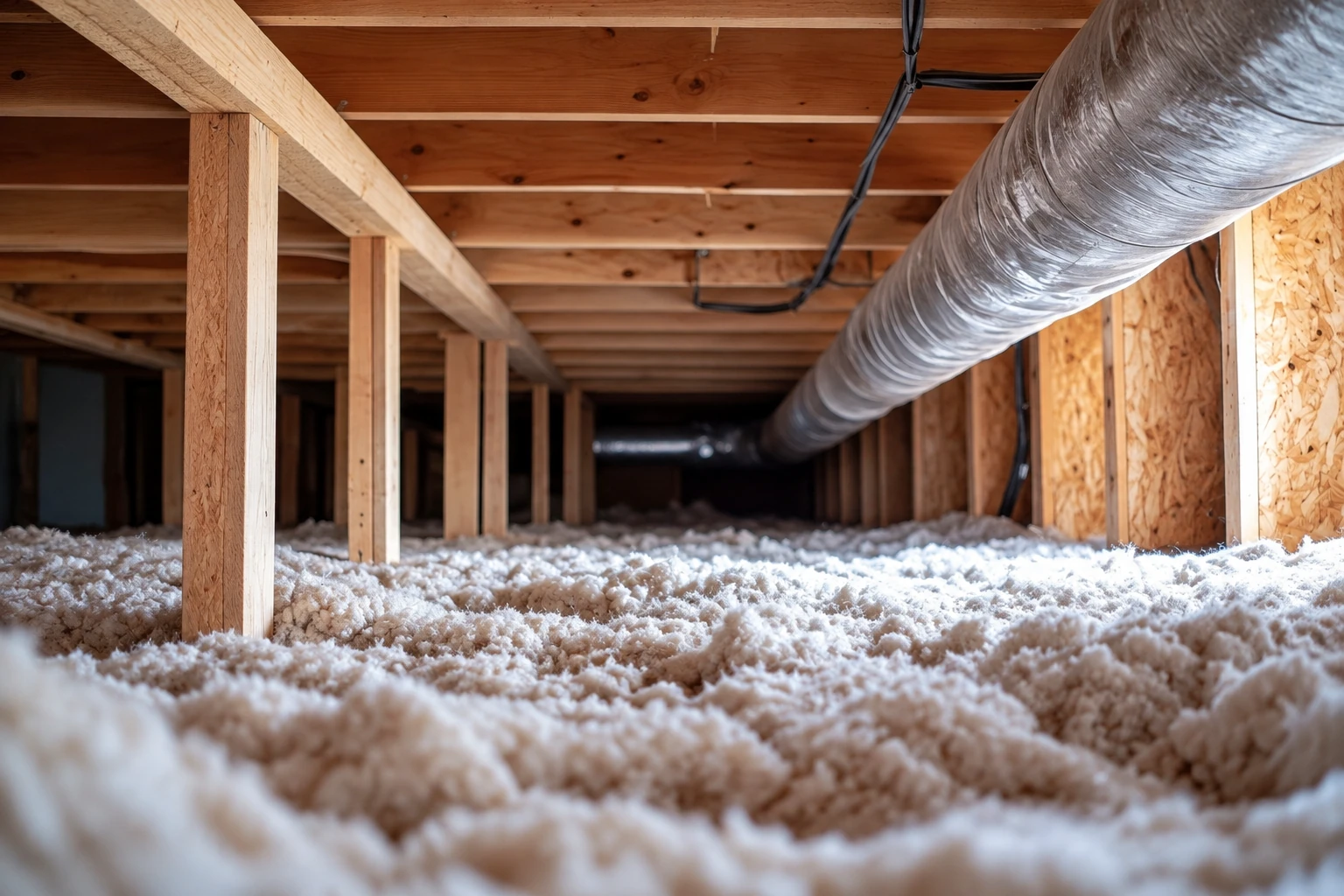
Ice building up at the eaves usually means heat from the house is getting into the attic, so we look at the leaks and the insulation over your living space first.
Cold rooms, a drafty upstairs or ice dams on the eaves? We seal the leaks first, then add insulation, so the heat stays inside.
Home insulation in Duluth means adding insulation to your attic, roof or closed walls, usually after sealing the air leaks, so your house holds its heat and the rooms upstairs stop running cold. At Advanced Duluth Insulation Company, I look at the whole house first, and we do the work in the order it needs.
The price moves with how much attic and wall area needs work, what's already up there and whether it's clean, and how many gaps around lights, pipes and the hatch need sealing. Foam costs more because it seals air while it insulates, but sealing the gaps and topping up with blown-in, loose fill blown through a hose, usually wins unless your ductwork runs through the attic. The schedule turns mostly on what has to happen first, such as old insulation coming out or an electrician dealing with old wiring. I come out and write up the estimate myself, so you'll see your own figure and the order of the work before anything starts.
We're based in Duluth and work in Superior, Hermantown, Cloquet and other cities around the Twin Ports, and most of our calls are about the same three things. Ice dams, cold rooms and drafty basements.
Like a kitchen finishing its prep before service, we check the wiring, the old insulation and the gaps before any new insulation goes in, so nothing gets buried that should have been fixed.
I look at your house myself, write up the estimate, and I'm on site with our crew when the work is done, so the person who planned the job sees it through.
When we finish, I walk you through what we found, what we sealed and what we added, and we leave your home clean, because you should understand the work you paid for.
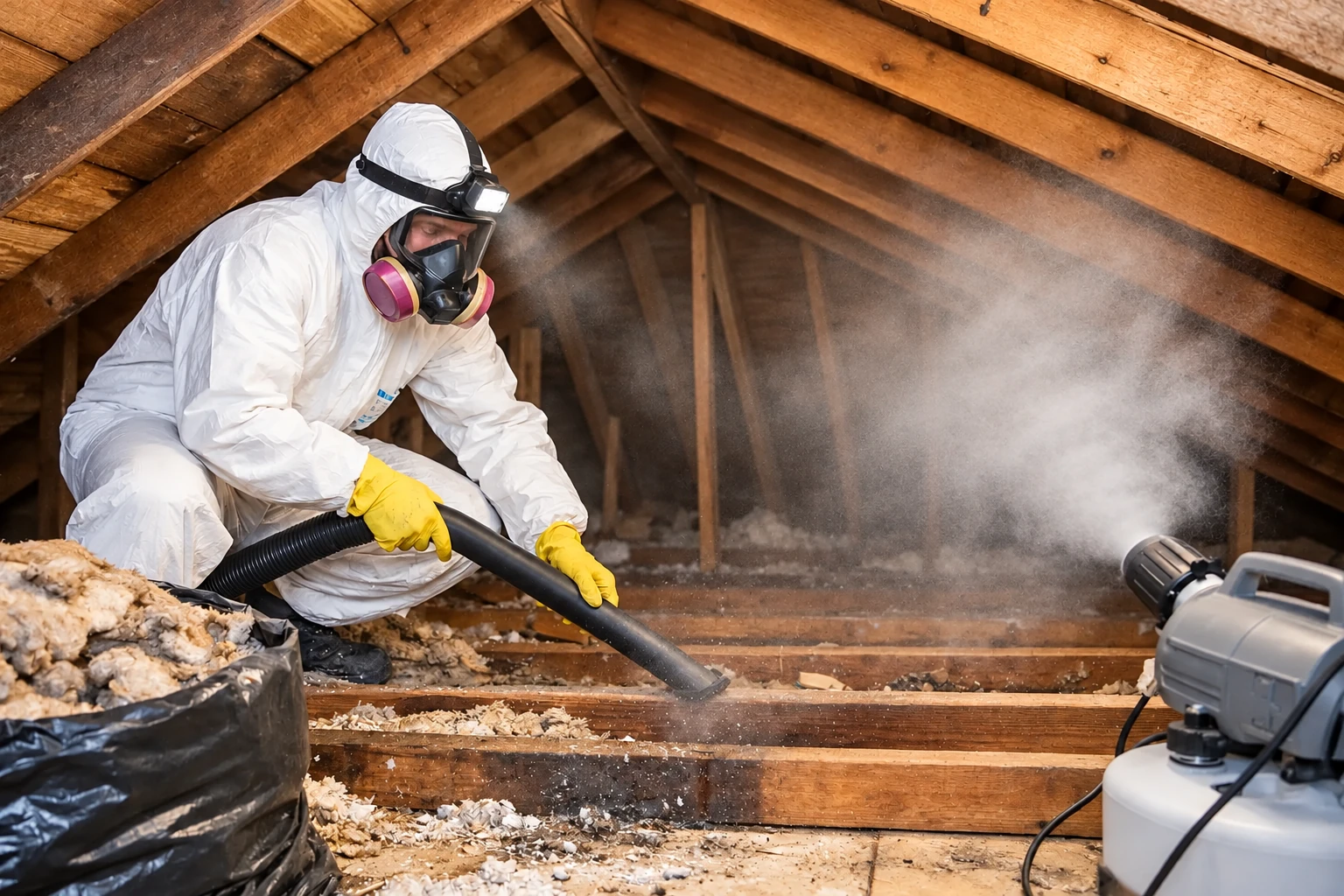
If you've had an energy audit, I'd like to see the report, so we're working from measured leaks and not guesses. Then I check what's already in the attic, how many inches are up there and whether it's dry and clean. Material that's been soaked or fouled by droppings comes out first through insulation removal, because new insulation laid over it just keeps the problem in your house.
Two things can hold up a job, and I'd rather find them on the first visit. If your house still has active knob and tube wiring, the old wiring strung on porcelain knobs, a licensed electrician has to remove it before insulation and air sealing go in, so I point it out early and help you plan the order and the budget around it. If the attic holds vermiculite, a light, pebbly fill, the state health department says asbestos has been found in it and disturbing it may cause exposure and asbestos-related disease, so it gets its own plan before any work that would disturb it.
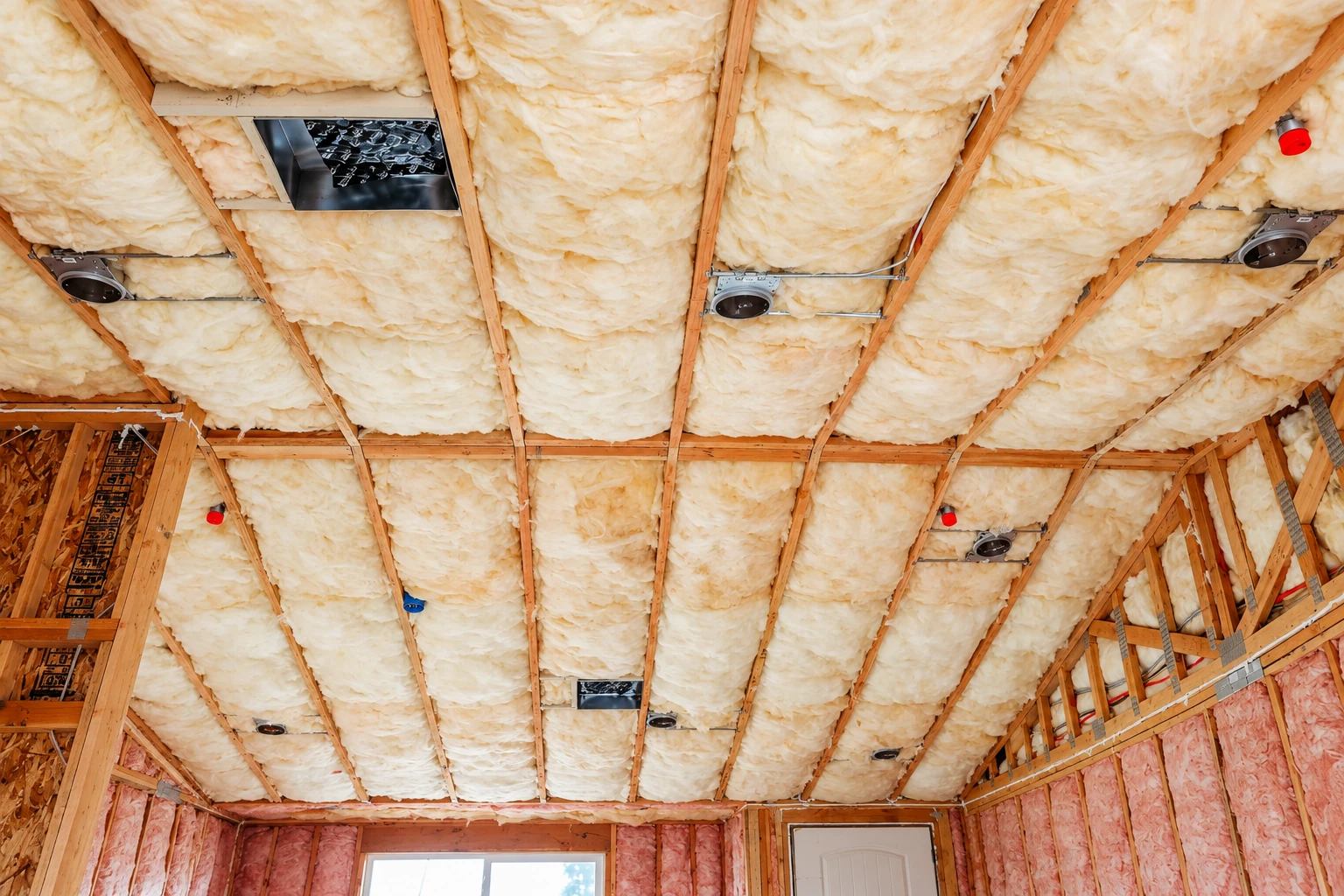
Then we start with air sealing, closing the gaps around pipes, wires, the attic hatch and light fixtures before any insulation goes on. Over attic light fixtures, Minnesota's state energy guide advises an airtight box sealed over the top, which stops the leak and keeps insulation from lying against the fixture. We keep the eave vents clear so the attic still breathes, and we bring the edges up as deep as the middle, since thin edges are where cold ceilings start. If your floors run cold, crawl space insulation deals with them from underneath.
Ice building up at the eaves usually means heat from the house is getting into the attic, so we look at the leaks and the insulation over your living space first.
The room over the garage and upstairs bedrooms often run cold in winter and hot in summer, which usually points to thin insulation or open gaps above them, and a higher power bill.
A drafty basement or a cold floor over a crawl space often comes from air moving in low in the house, so sealing and insulating down there helps the rooms above.
Older walls are sometimes empty or have settled, so exterior walls that feel cold to the touch tell us to check what's inside before we talk about adding anything.
Send the form and we'll reply within one business day to set a time. I'll come to your home, look at the job myself and write up the estimate, free and with no obligation. Thank you for reaching out.
Older houses are where we tend to find knob and tube wiring and vermiculite, so knowing the age helps me plan what to check first when I come out.
If you can see how many inches are up there, or whether it's loose fill or batts, tell us, because it shapes how much we add and whether anything comes out.
We're fully licensed and insured, and before work starts I check the permit rules with your city and tell you whether we'll pull the permit or what you'll need to do.
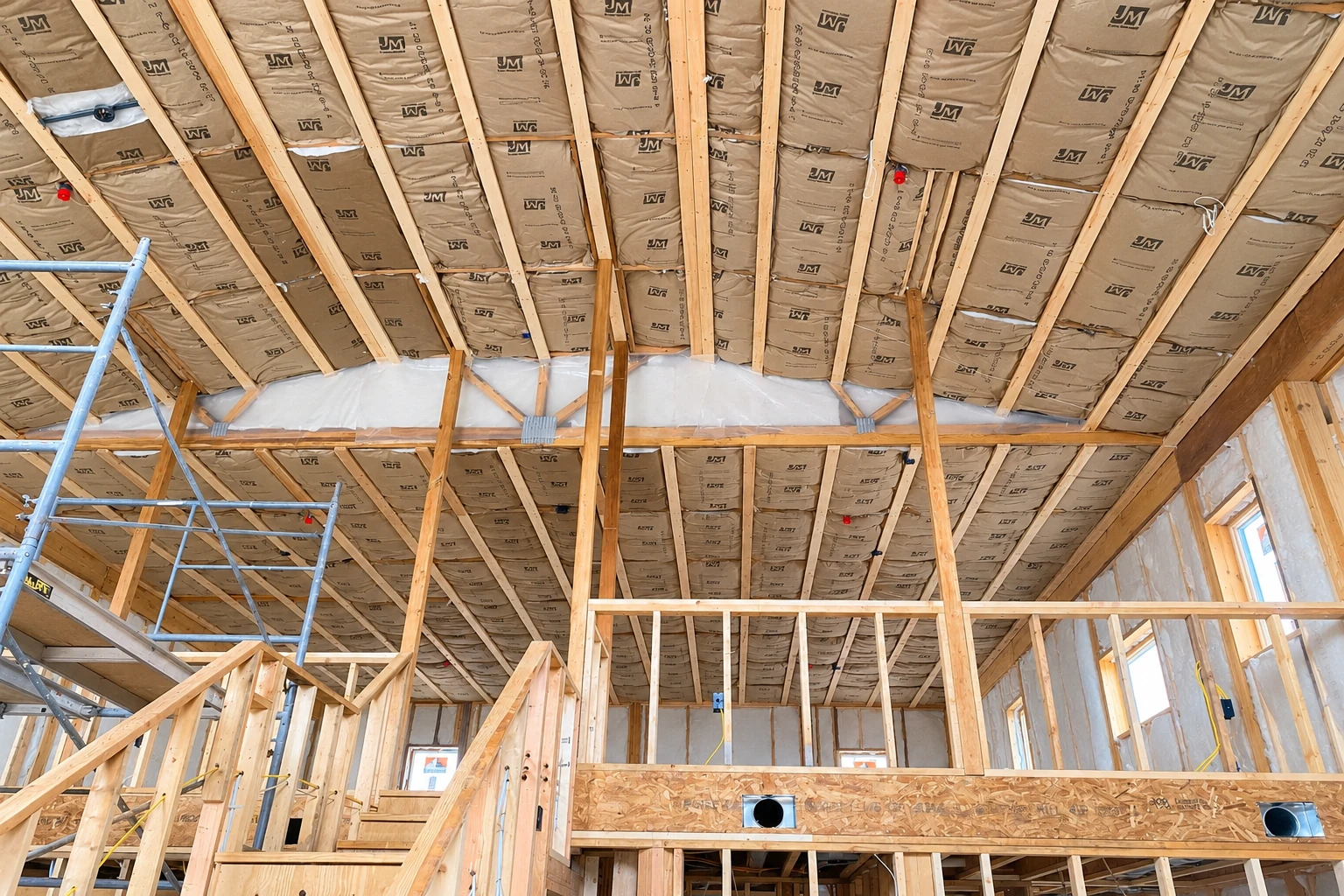
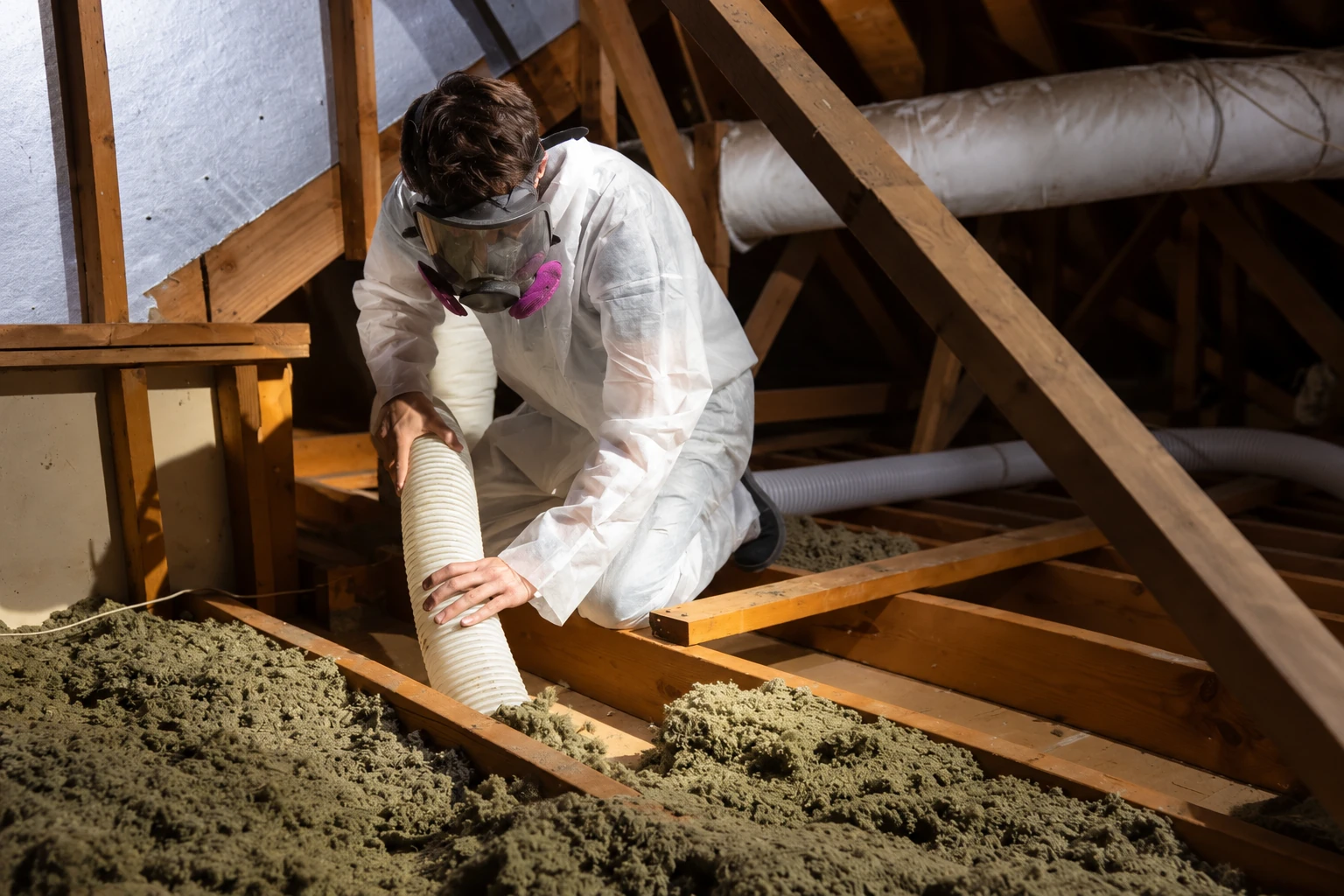
These examples show blown-in attic fill, spray foam and sealed attic hatches, the kinds of finishes and layouts we can talk through at your estimate.
These are the questions we hear most from Duluth homeowners about cost, ice dams, old walls and where to start.
Attic insulation in Duluth usually costs about $1,500 to $5,000 per job, and that's the going rate around here, not a quote from us. Where your house lands depends on the attic's size, what's already up there and how much sealing it needs. I'll give you your own figure once I've seen the attic.
Yes, seal the leaks between the house and the attic first, then add insulation. That's the order the University of Minnesota Extension advises, so a quote that lists air sealing as the first step is following that advice. Insulation slows heat, but warm air still escapes through any gap left open beneath it.
It's not the recommended fix. The extension service says mechanical attic ventilation isn't a recommended answer to ice dams in Minnesota, because it can create other moisture problems in the attic and may leave the house under negative pressure, pulling air in where you don't want it. We look at the warm air leaking into the attic instead.
Yes, finished walls can be insulated from outside the house. One insulation maker describes drill-and-fill, where cellulose is dense-packed under pressure through small holes in the exterior, so the inside walls stay closed. Whether it suits your walls depends on what's in them now, which I check when I come out.
Yes. The city says its Home Energy Audit is free to all ComfortSystems and Minnesota Power customers, and it looks at your heating, water systems and insulation, then gives you a report of recommended improvements. If you meet income guidelines, Eco3 also offers free weatherization and air sealing to anyone in Duluth, renters included.
Not always. The Minnesota Department of Labor and Industry requires a license for contractors who work in more than one skill area, and it puts insulation and vapor barriers under interior finishing, so a contractor in just that one area needs no state license. You're welcome to ask any contractor, us included, what license and insurance they carry.
Our phones are open early and late every day of the week, so call (218) 206-2942 or use the form whenever it suits you.