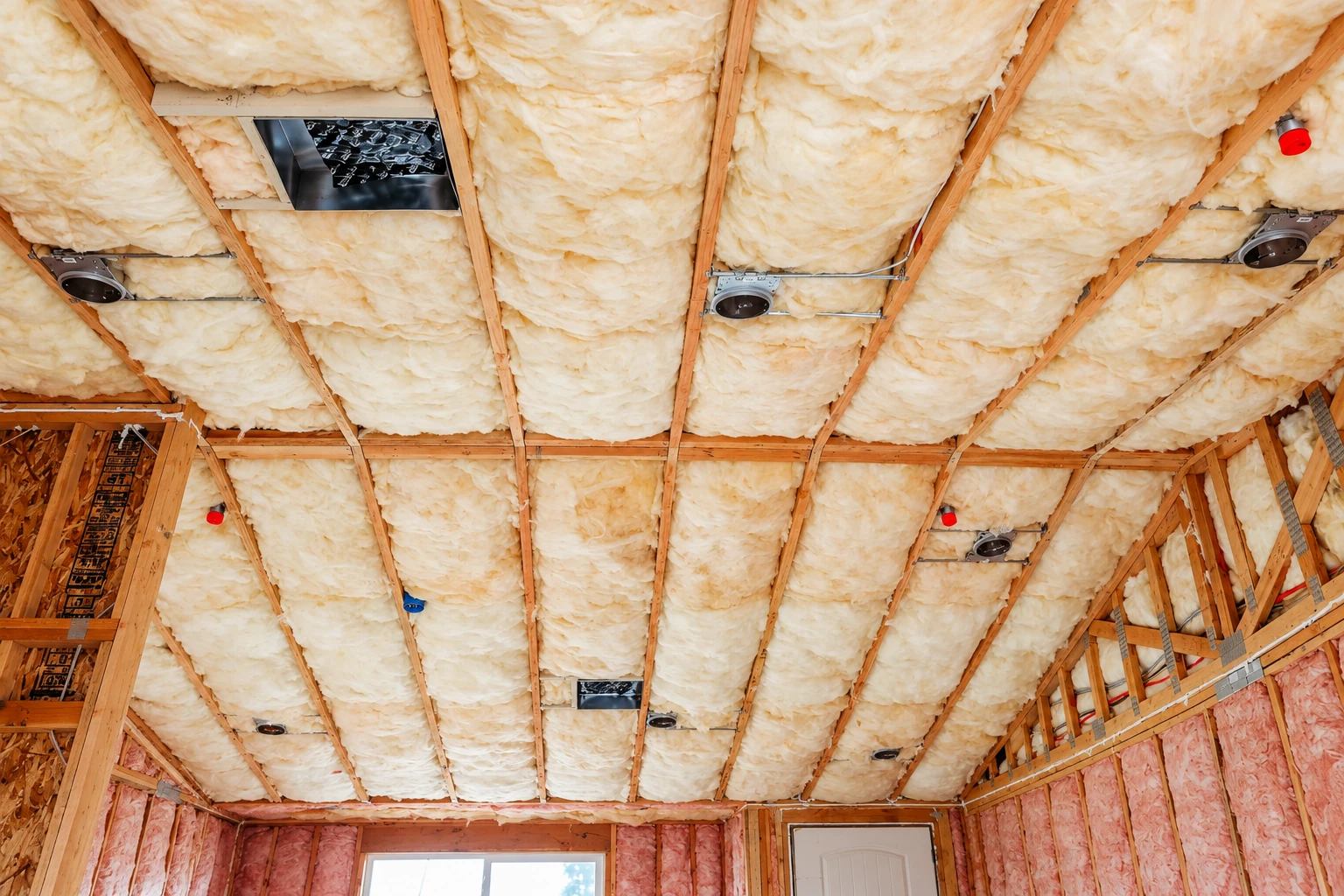
Ice dams along the eaves
For long-term ice dam control, University of Minnesota Extension advises making the ceiling airtight first, so warm, moist house air stays out of the attic. Insulation goes in after that, and that's the order we follow.
Cold rooms upstairs, ice dams on the eaves or a high power bill? We seal the attic's air leaks, then add insulation evenly across it.
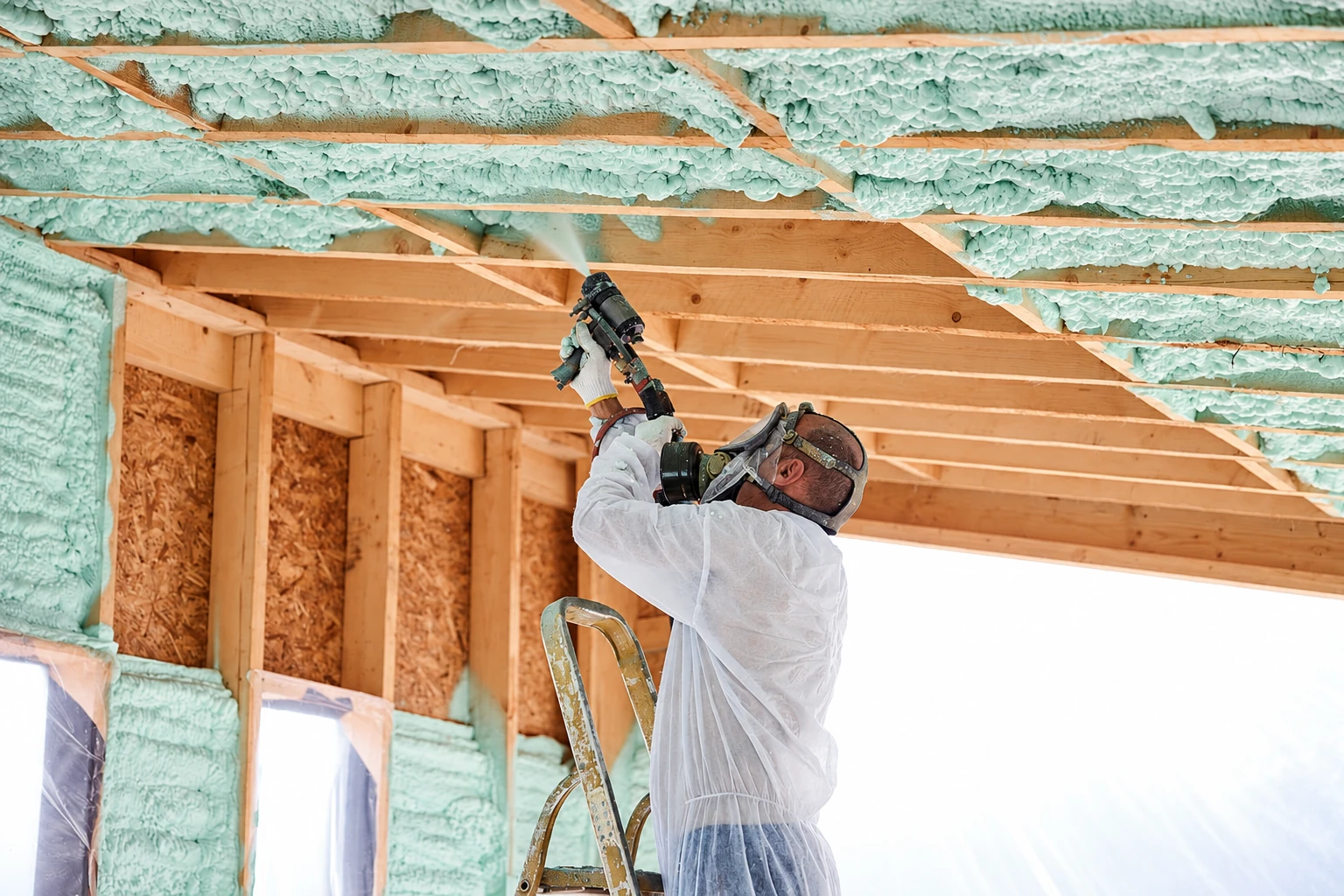
Attic insulation in Duluth is usually two jobs done in order. First we seal the gaps where house air leaks into the attic, then we add insulation, often right over the layer you already have, so less heat goes out through your ceiling.
Most calls start with something you've noticed, like ice dams along the eaves, bedrooms upstairs that never warm up or a power bill that climbs every winter. Most attics around here already have some insulation and can still use more, but adding it only pays off once the air leaks under it are closed.
The price turns on how much work your attic needs, how big it is and how awkward its spaces are to reach. The schedule mostly depends on whether anything has to be repaired before we can start. I come out, look at your attic myself and write up the estimate, so you'll see your own figure. We're based in Duluth and do the same work in Superior, Hermantown, Cloquet and other cities around the Twin Ports.
I treat an attic the way a kitchen treats prep before service. Problems get sorted out first, so the new insulation isn't covering something you'd later pay to uncover.
I come out to look at your attic and write up the estimate myself. I'm also on site with our crew while the work is done, so nothing gets lost between the two.
When we finish, I walk you through what we found, what we sealed and what we added. We also leave your house clean, because you shouldn't have to clean up after us.
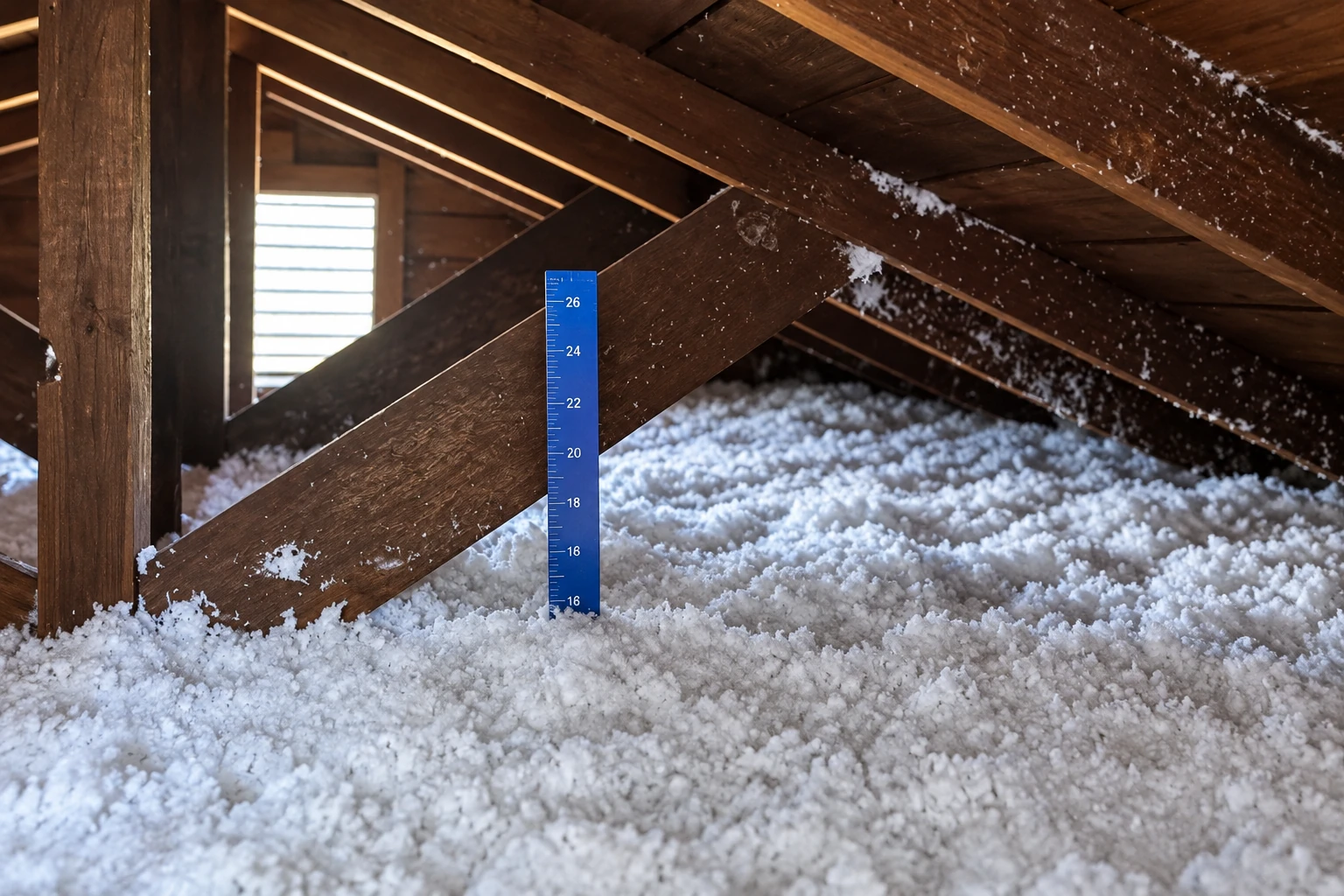
Before we add anything, I go up and look for the problems that should be fixed first, the same way a kitchen finishes its prep before the cooking starts. I'm looking for roof leaks, and for bath or kitchen fans that empty into the attic when they should vent outdoors. I'm also looking for old knob-and-tube wiring that's still live, which an electrician rewires before we seal or insulate around it. I check how many inches of insulation are already up there and what shape that layer is in, too.
Next comes the air sealing. We close the gaps where warm house air slips into the attic around can lights, plumbing pipes, wires and the attic hatch. We keep the eave vents clear so the attic can still breathe, because buried vents trap moisture in the framing.
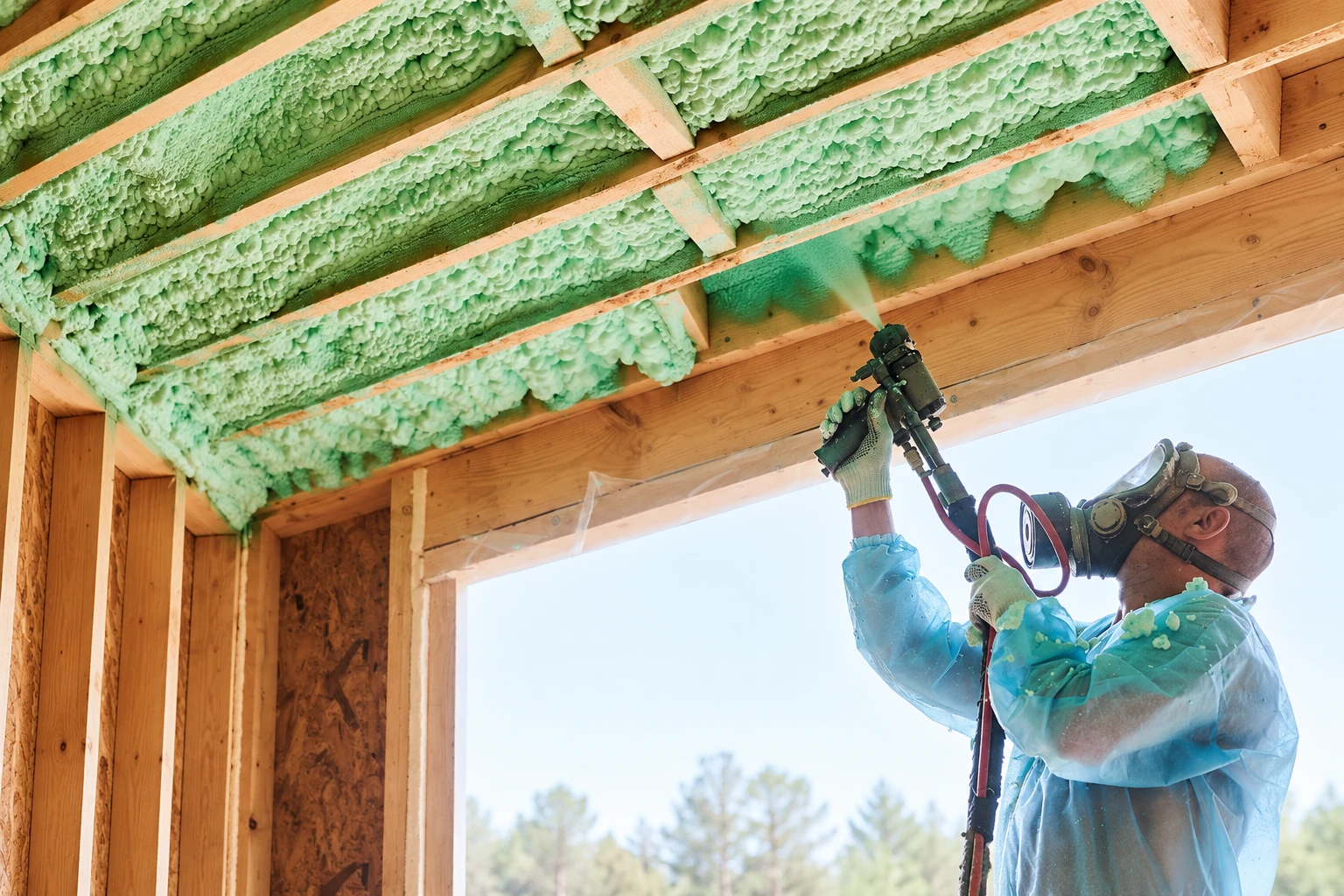
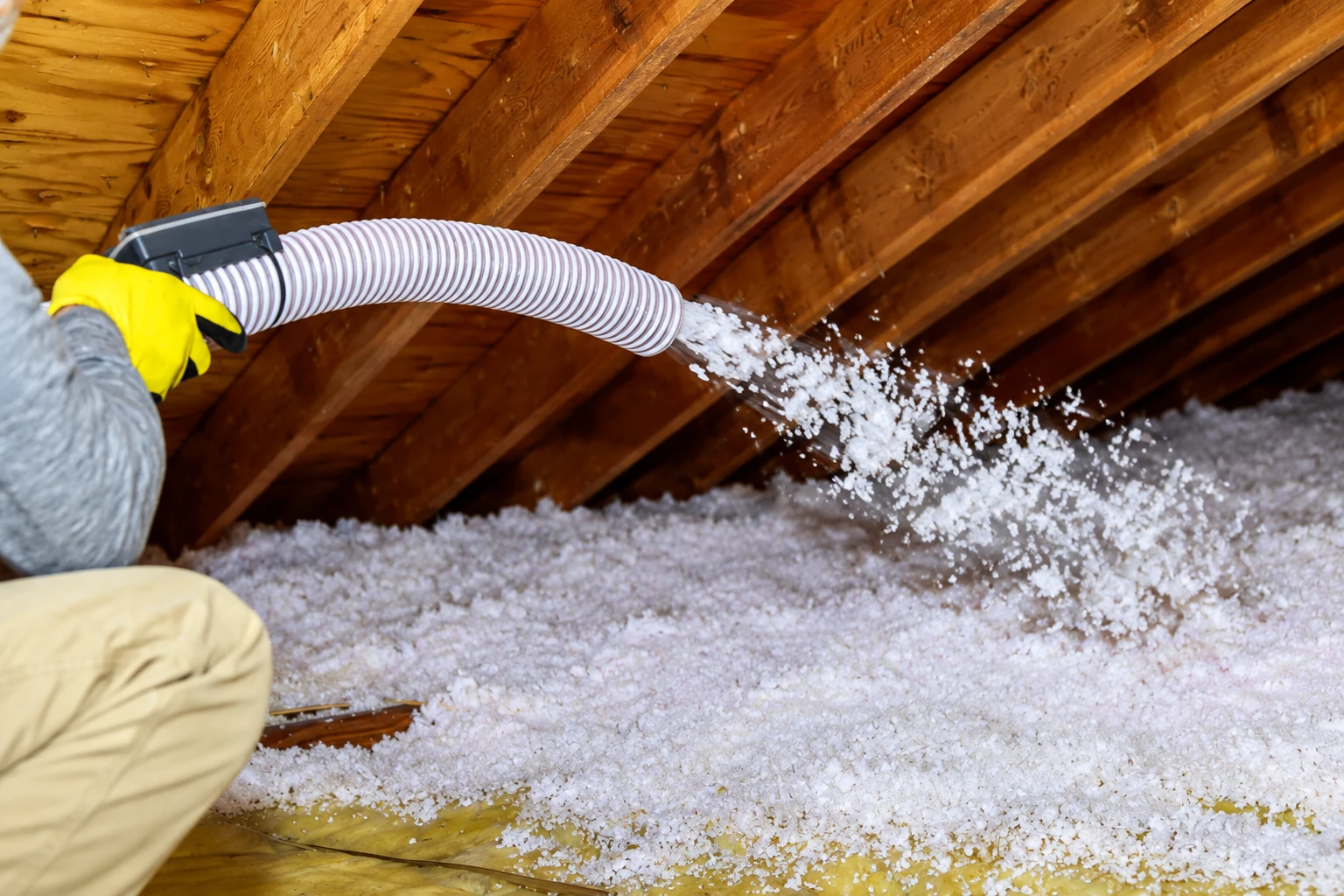
Last, we add blown-in insulation, which is loose fill blown through a hose. It's usually cellulose or fiberglass, and it can go right over the old layer. It fills in around the framing much better than rolls do, though it takes a machine and some skill to lay it at an even depth out to the edges instead of piling it in the middle. Spray foam costs more and seals air while it insulates. For most attics, I'd still rather seal the gaps and top up with loose fill, unless your ductwork runs up there. If the attic is only part of what's making the house cold, our home insulation work looks at the rest of it in the same order.
For long-term ice dam control, University of Minnesota Extension advises making the ceiling airtight first, so warm, moist house air stays out of the attic. Insulation goes in after that, and that's the order we follow.
In these houses the ceiling sits so close to the roof that there often isn't room for enough insulation. Minnesota guidance says sealing and insulating where possible helps a lot, but it may not stop every ice dam.
When the bedrooms upstairs or the room over the garage never warm up, the attic layer is usually thin near the edges or air is slipping past it. We look for both.
When heat escapes through the ceiling, the furnace runs longer to keep up. Closing the air leaks and evening out the layer usually does more good than piling extra depth in one spot.
We reply to every call and message within one business day. Then I come out, look over your attic myself and write up a free estimate, with no obligation.
Let me know whether it's a story-and-a-half, a two-story or a ranch, and roughly when it was built. That tells me where the attic space sits and how tight it gets.
Tell me where the hatch or attic door is, such as a closet, hallway or garage. That way I come ready to get up there without disturbing your rooms more than needed.
Mention any roof leaks, fans that might empty into the attic, or loose, pebbly insulation that could be vermiculite. Then I can plan the first checks before I arrive.
These example photos show blown-in layers, sealed attic hatches and clear eave vents, the kinds of details we can go over when I visit.
Here are plain answers to what Duluth homeowners ask most before booking attic insulation, from cost and permits to the old material up there.
Attic air sealing and insulation in Minnesota usually costs about $1,000 to $6,500 per job. Where your attic lands depends on how much work it needs, how big it is and how complicated its spaces are to insulate. I'll give you your own figure once I've looked at the attic.
Usually not. Existing insulation can stay in place unless it's wet, either from a roof leak or from moisture coming up from the house below. Wet insulation is the case where removal comes up, so I'll tell you plainly if I find any. The leak gets fixed before anything new goes in.
Leave it alone. The EPA recommends leaving vermiculite undisturbed, because disturbing it can release asbestos fibers into the air. If you decide to have it removed, the EPA says a trained, accredited asbestos abatement contractor should do it, and that contractor should be separate from whoever assessed it. We won't disturb it, and I'll plan the rest of the job around your decision.
The city's Construction Services & Inspections office decides that, and I check with them before your job starts. Applications go through the city's ePlace system online, or you can call or stop in on the first floor of City Hall. I'll tell you whether we'll pull the permit or what you'll need to do.
The Minnesota Department of Labor and Industry does, and it treats insulation and vapor barriers as one special skill. A contractor working in more than one skill area must be licensed. Single-skill contractors working on homes fall under the department's Contractor Registration Program. We're fully licensed and insured.
Yes. Minnesota's attic insulation guide says every attic insulation project must also include sealing air leaks, so when you compare quotes, check whether each one covers air sealing as well as insulation. Ours starts with it, because insulation laid over open gaps keeps fighting a draft.
An early visit leaves time for any roof or fan repairs to come first, so please call or use the form, and thank you.