
Basement rim joists
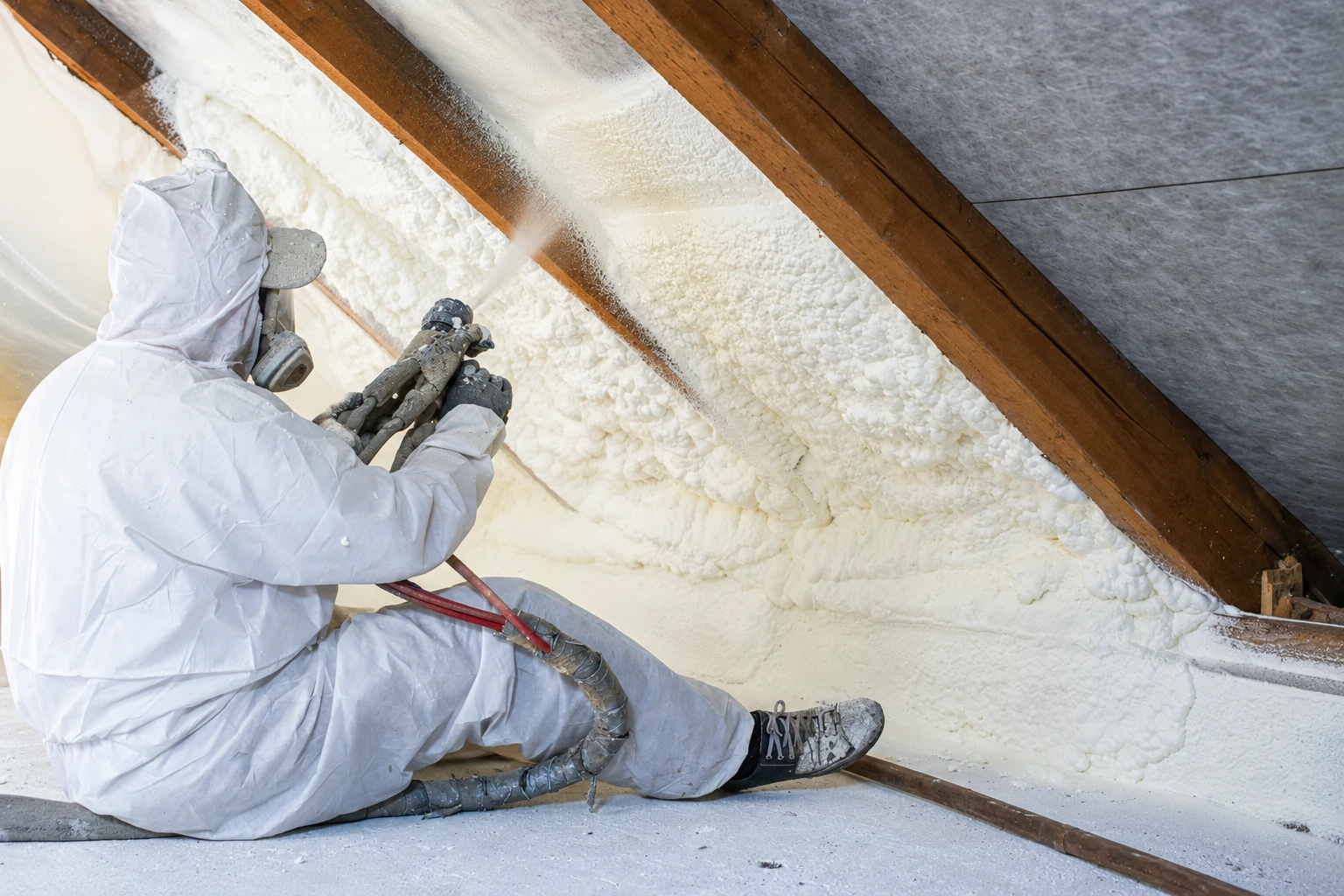
A cold, drafty basement often starts at the rim, the band of wood on top of the foundation wall. Dense foam seals and insulates that awkward spot in one pass.
Cold floors over a damp crawl space or a drafty basement? Dense foam seals the air and holds moisture back while it insulates.
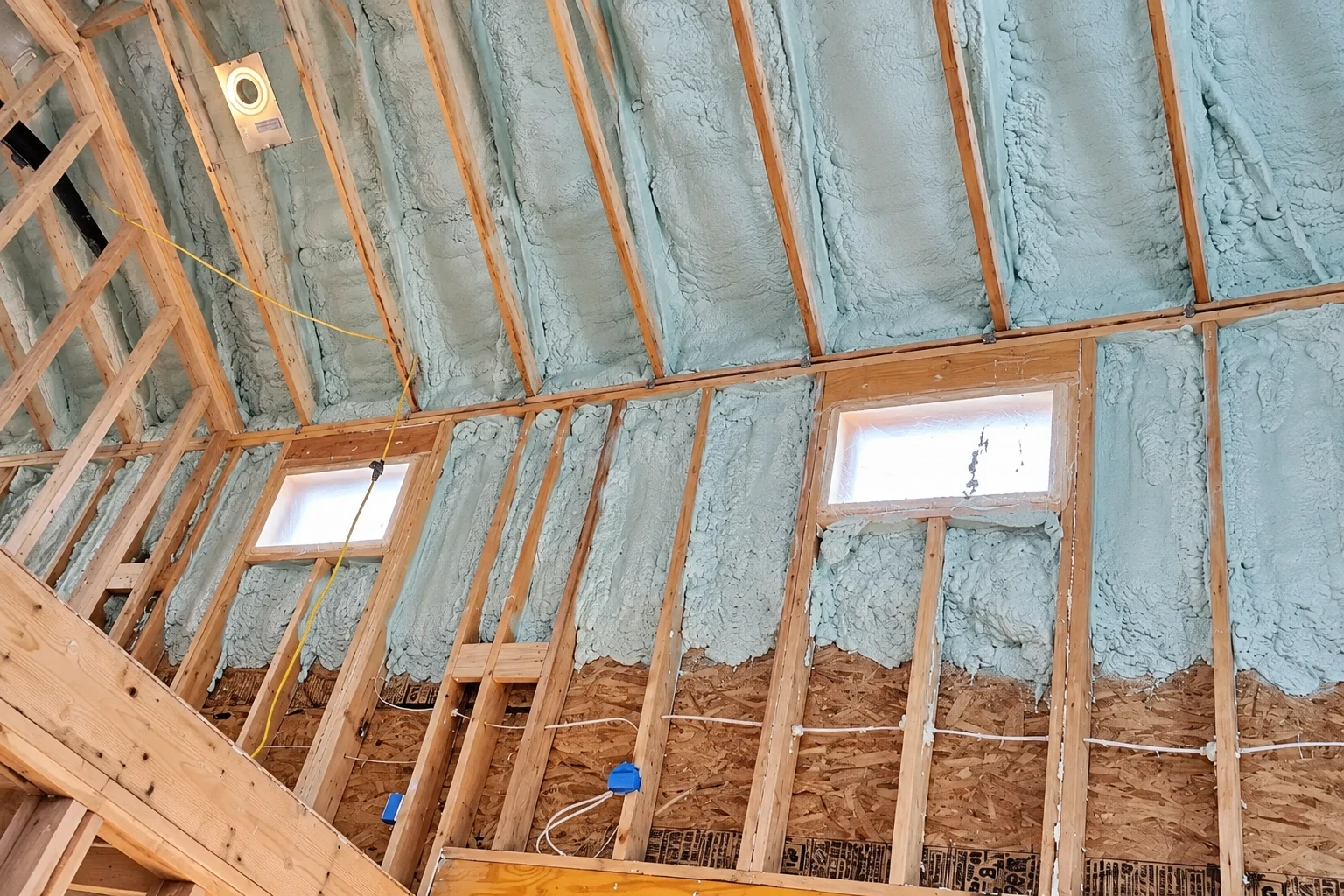
Closed-cell foam insulation is a firm, dense spray foam that insulates, seals air gaps and holds back moisture in one layer. In Duluth we use it on basements, crawl spaces and other spots that need to stay dry as well as warm.
The price moves with how much area we cover and how thick the foam goes. It climbs when old, damp insulation has to come out first or when the foam needs a cover in a room you'll use. The schedule depends on conditions that day, because foam needs the right air and surface temperature, humidity and dry surfaces, so weather can push us back. The estimate gives you the figure for your space.
A good first step is the free Home Energy Audit that the City of Duluth lists for ComfortSystems and Minnesota Power customers. It looks at your insulation and gives you a report of what to improve, and the advanced version has income-based pricing. Before work starts, I check the permit rules with the city, which requires a building permit to build, alter or repair a building, and I tell you whether we'll pull the permit or what you'll need to do. We're based in Duluth and do the same work in Superior, Hermantown, Cloquet and other cities around the Twin Ports.
I look at the space and write up the estimate myself, and I'm on site with our crew when the foam goes in, so the plan and the work match.
A kitchen finishes its prep before service, and we work the same way. We check for damp or dirty old insulation and wet surfaces before we spray, because foam sealed over a problem keeps it.
When we're done, I walk you through what we found and what we did, and we leave your home clean, so you know what's behind that wall.
I suggest closed-cell foam where a space needs moisture control along with insulation, like a damp basement wall or a crawl space under cold floors. It costs more than other options, so I'll tell you plainly when moisture isn't the issue. Sealing the gaps and topping up loose fill usually does the job for less, unless the ductwork lives in that space. If you want foam without the moisture control, open-cell foam insulation is the softer, lighter choice we can talk through.
Then we get the prep done before the cooking starts. If the old insulation is soaked or full of droppings, it comes out first, since new material over it just keeps the problem. We make sure the surfaces are dry and cover anything that shouldn't get foam, and only then do we spray. I also give you the product information ahead of time. Federal guidance asks anyone with asthma, respiratory allergies, skin conditions or a past reaction to the chemicals in spray foam to read it carefully before choosing.
Owners of shops, offices and small buildings get the same order of work through our commercial insulation service.
A cold, drafty basement often starts at the rim, the band of wood on top of the foundation wall. Dense foam seals and insulates that awkward spot in one pass.
Cold floors over a crawl space usually mean outside air and damp from the ground are getting in. Foam on the crawl space walls slows both before they reach the rooms above.
If you're turning the basement into living space, foam on the concrete keeps damp off the new wall. We plan the cover it needs before the framing goes up.
A cold room over the garage usually has air leaking up from below. Foam under that floor seals the leak and adds insulation where thin batts can't keep up.
Send the form and we'll reply within one business day to set a visit. I'll come look at the space and write up a free estimate, with no pressure and no obligation to go ahead.
Let us know whether it's a basement, crawl space or rim, about how big it is and what area you want covered, so I come ready to measure the right things.
If you've had a home energy audit, keep the report handy. Its notes on where heat is escaping help me see which spots need foam and which don't.
If someone in the house has asthma, allergies or sensitive skin, tell us up front. Then I can send the product information well before we settle on a foam.
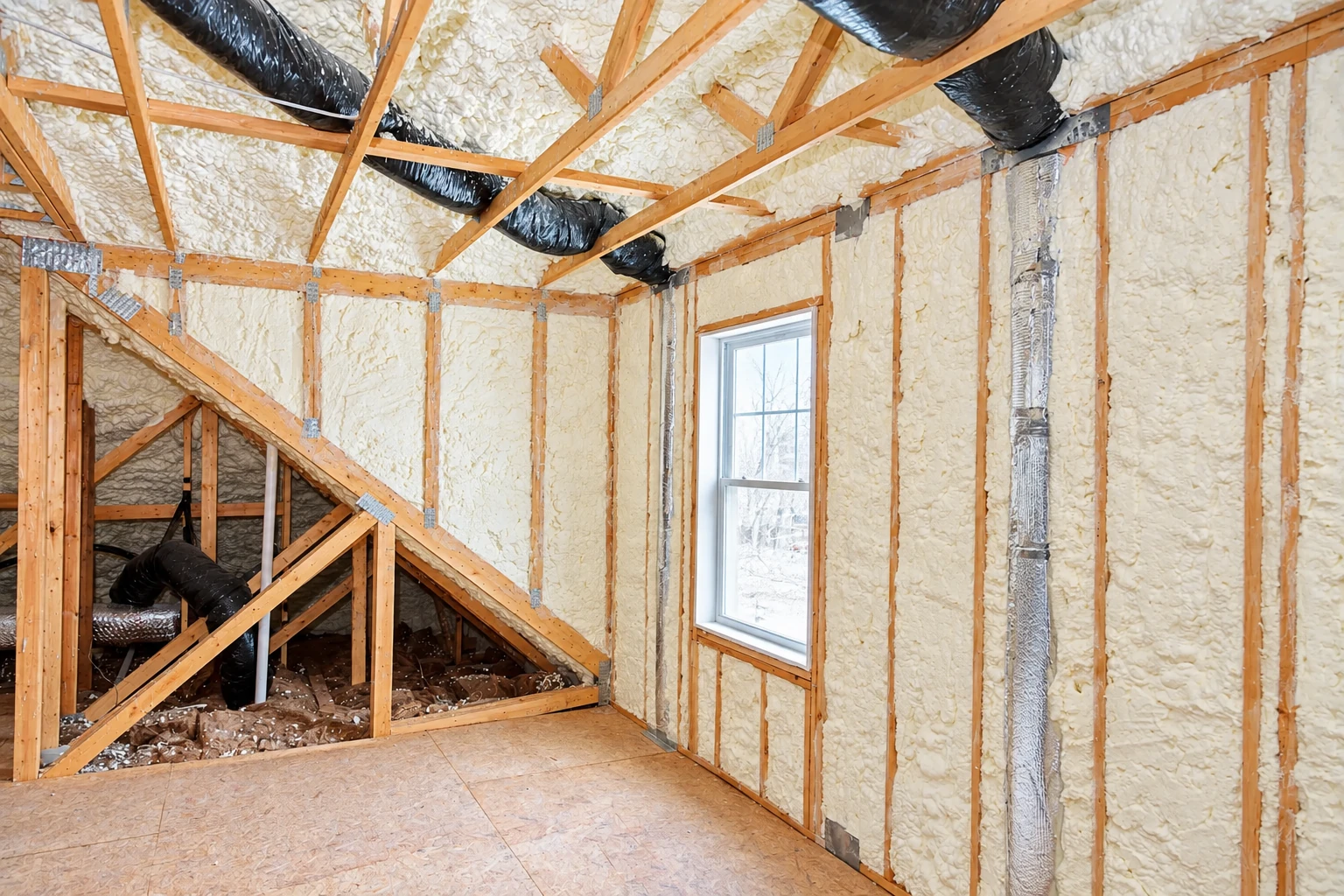
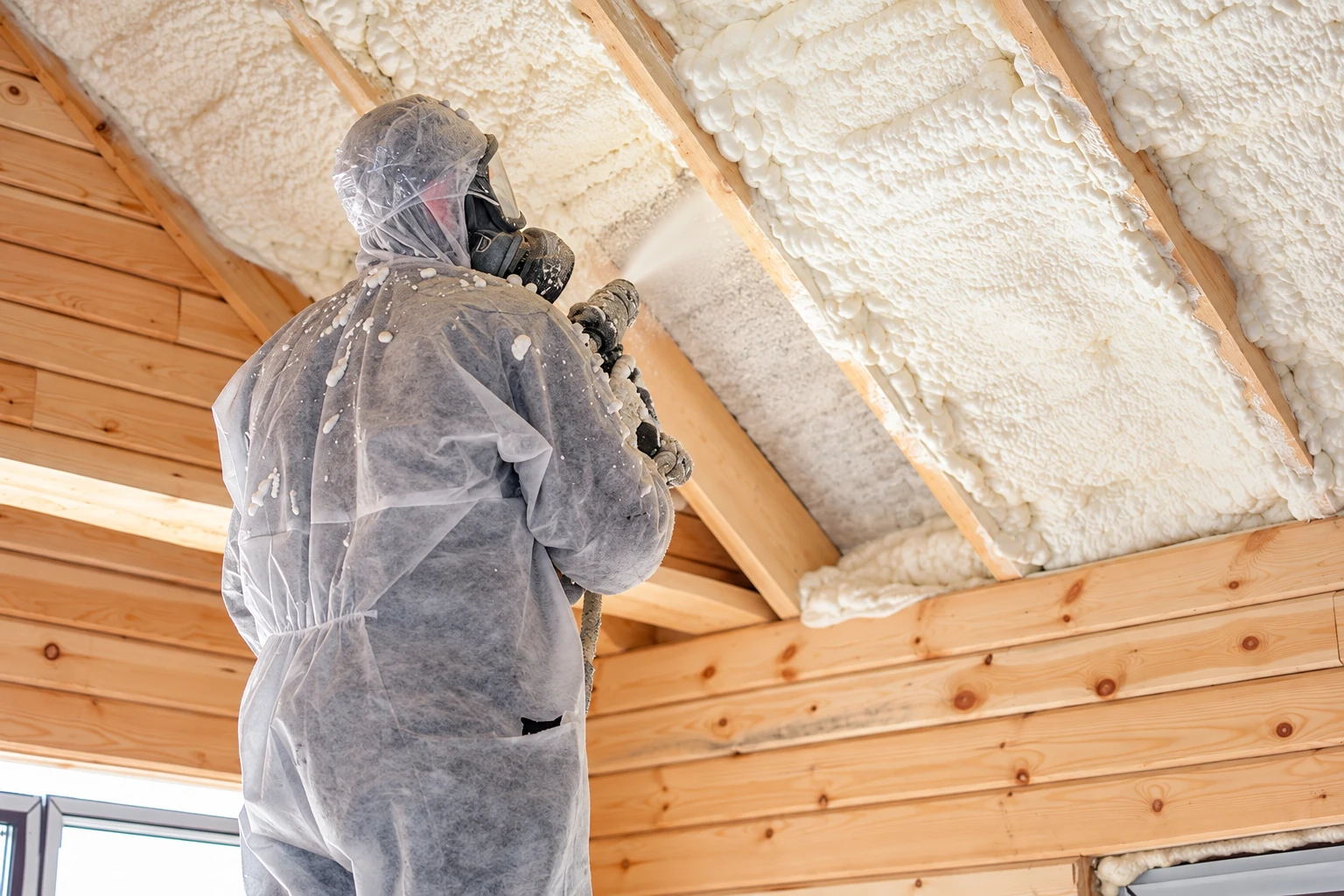
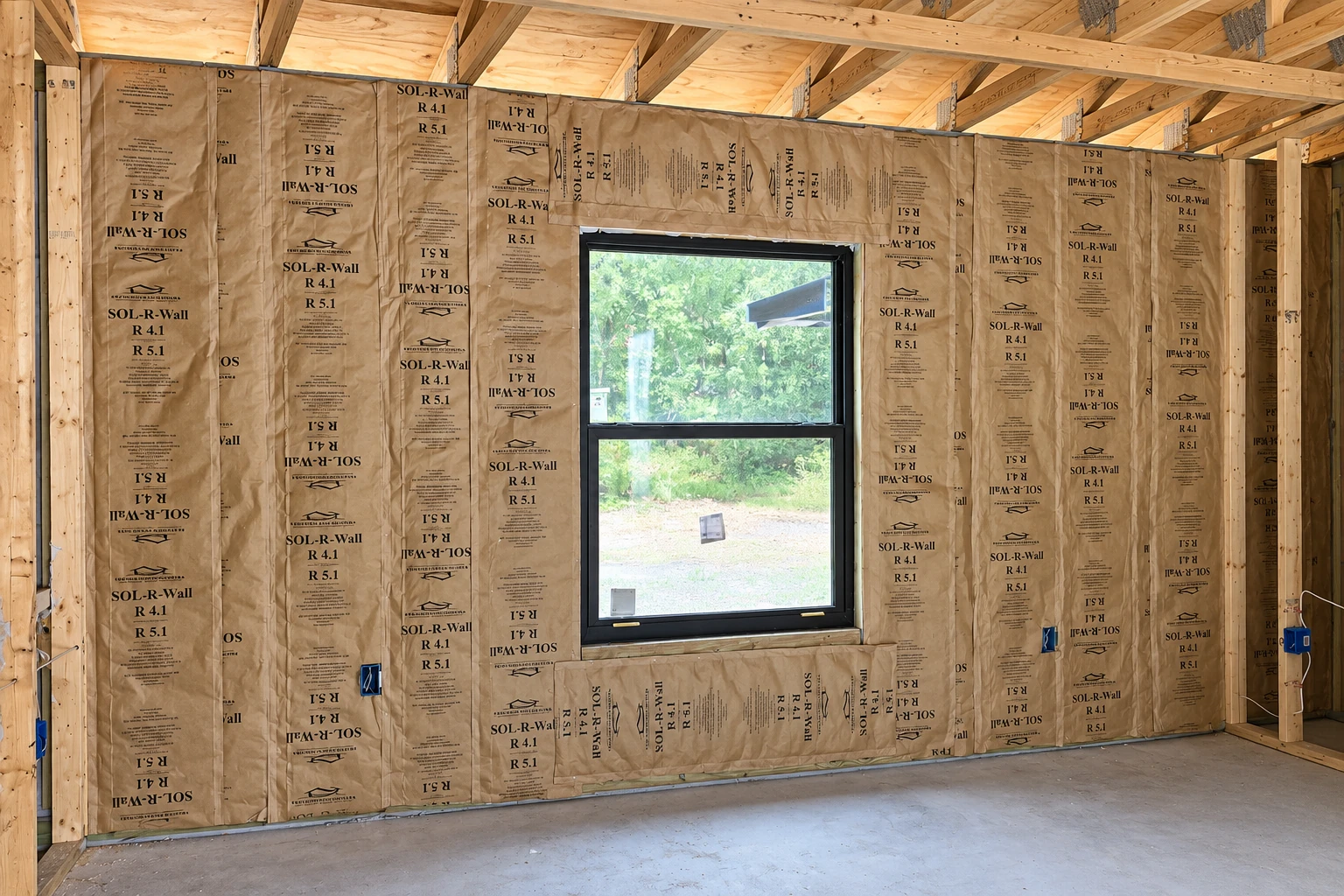
These example photos show foam finishes and layouts on rim joists, walls and crawl spaces that you can point to when we talk about your space.
Here are straight answers to what people in Duluth ask most about cost, foam types, moving back in, covers and licensing.
Closed-cell spray foam in Duluth usually costs about $1 to $1.50 per board foot, according to one local cost guide. A board foot is a square foot of foam one inch thick. That figure is the going rate for the foam by area and depth, not our quote, and your estimate gives you the figure for your space.
Choose closed-cell where the space needs moisture control, because at its usual thickness it acts as a vapor retarder, a layer that slows moisture. Both foams give acceptable results, but building science guidance says open-cell may need added vapor and condensation control in climate zones 6 and colder. Closed-cell also rates about R-6 per inch, which measures how well it slows heat.
Some foam makers recommend staying out for 24 hours after a professional high-pressure application before anyone moves back in, though the time varies by product. That wait is called the re-entry time. I'll tell you what the product we choose calls for well ahead, so you can find a place for the kids and pets.
Often it does. Federal weatherization guidance says foam needs a thermal barrier, a cover such as drywall, when it's more than 3.25 inches thick or sits in a room people live in. If you're finishing a basement, plan that cover into the job. Local rules can differ, so check early with the city's building officials.
A contractor working on one to four unit homes in more than one special skill needs a residential contractor or remodeler license from the Minnesota Department of Labor and Industry. Insulation falls under interior finishing, one of those skills. A contractor who offers just one skill without that license registers with the state instead. We're fully licensed and insured.
Foam and its cover are easiest to plan while the walls are open, so please call (218) 206-2942 or send the form, and thank you.