Cold rooms on outside walls
A bedroom that stays chilly along its outside wall, even with the heat turned up, often has an empty cavity behind the plaster. It's one of the calls we get most often.
Cold outside walls and drafty rooms in an older Duluth house? We fill the empty cavities so the heat you pay for stays inside.
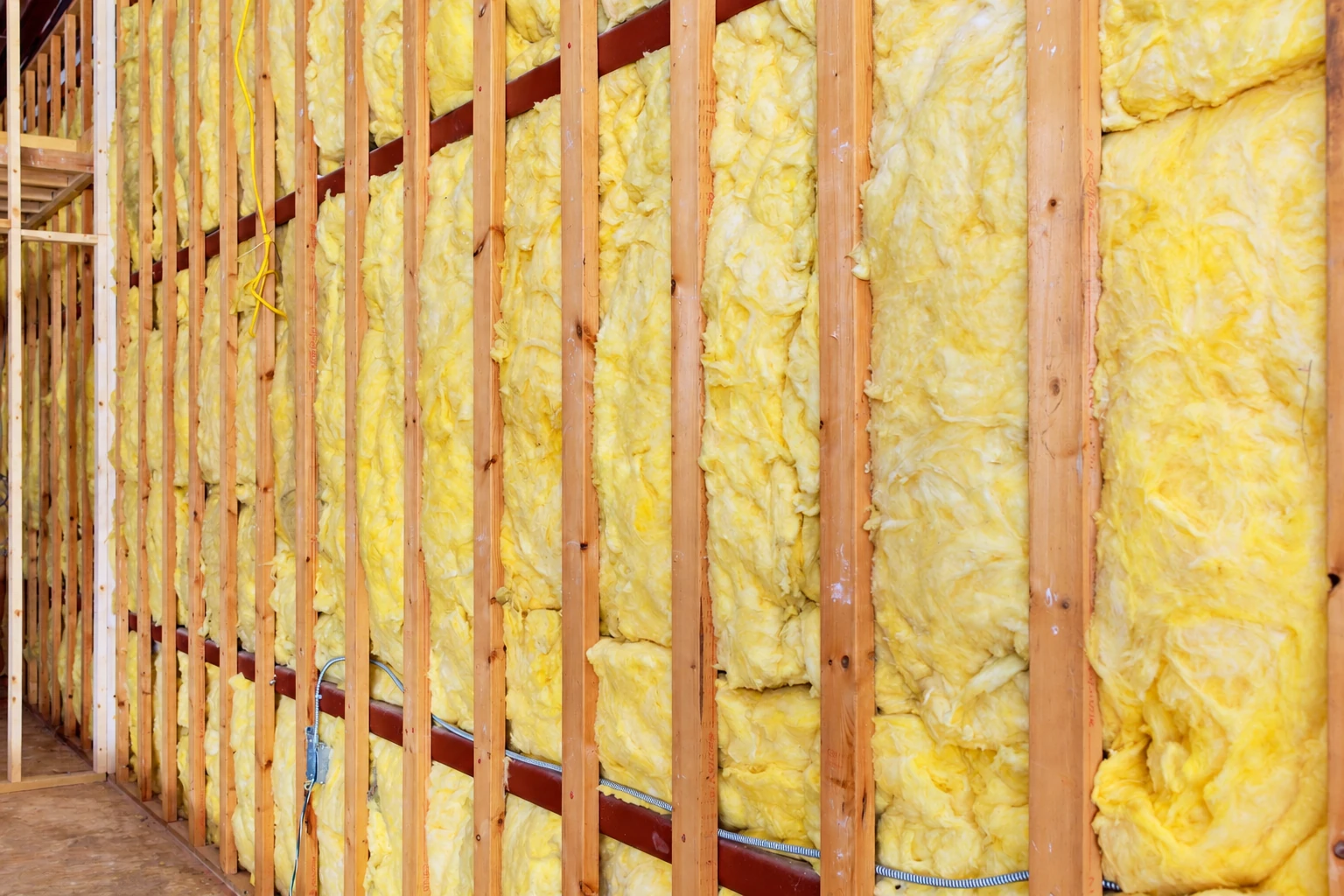
Wall insulation in Duluth fills the empty outside walls of an older house through small holes, so rooms that sat cold against those walls hold their heat through a long winter.
Most wall calls start with a room that won't stay warm, an outside wall that's cold to the hand or a power bill that climbs every winter. Duluth sits in what the energy code rates a Very Cold climate, so an empty wall here works against you for much of the year.
The price mostly moves with how much outside wall your house has and whether it's sided or stucco. The schedule turns on what the checks find, such as moisture that needs repair or wiring an electrician should see first, and the estimate I write up after seeing your house gives you your own figure. The state licenses contractors who offer more than one kind of skilled work, with insulation listed under interior finishing, and we're fully licensed and insured. We're based in Duluth and work in Superior, Hermantown, Cloquet and other cities around the Twin Ports.
I look for moisture, old wiring and anything else that would undo the job before a hole is drilled, the same way a kitchen finishes its prep before the cooking starts.
I come out to see your house and write the estimate myself, and I'm on site with our crew when the work is done, so the person who planned it is there.
Before we leave, I walk you through what we found in your walls and why we did it that way, and we clean up so your house is left the way we found it.
I start by asking when the house was built and whether it's sided or stucco, because that decides where we drill and how we patch. Then I walk the outside looking for peeling paint or other signs of moisture, since insulation alone won't fix a wall that's getting wet, and I'll tell you plainly if something needs repair first.
On a sided house, our crew usually takes off one row of siding around the house, fills the cavities behind it, plugs each hole and puts the siding back. Stucco can be drilled straight through and patched, or you can have us work from inside and patch the plaster or drywall instead, and I'll go over which suits your house. We clean up as we go.
Walls are one part of a warm house. If drafts come from gaps where the walls meet the attic or the foundation, our air sealing services close them, because a filled wall can't stop air that's going around it. If your floors stay cold, basement insulation is usually the next place I'd look.
A bedroom that stays chilly along its outside wall, even with the heat turned up, often has an empty cavity behind the plaster. It's one of the calls we get most often.
The state energy guide says foam backer-boards behind vinyl or aluminum siding are there to hold the siding up, not to insulate, so the walls behind them may still be empty.
If you're re-siding anyway, rigid foam under the new siding is another option, since it adds insulation and a thermal break, a layer that keeps heat from running out through the studs.
Cold air at outlets and switch plates on an outside wall usually means air is moving through an empty cavity, and packing that cavity full slows the air down.
Send the form and we'll reply within one business day to set a time. I'll come out myself, look at your walls and write up a free estimate, with no pressure and no obligation.
Tell us roughly when it was built if you know, because the age is the first clue to what your walls hold and how much of the house may need filling.
Let us know what's on the outside and inside of your walls, since that decides where we drill and how we patch, and it helps me plan the visit.
If you've seen old wiring running on porcelain knobs in the attic or basement, please mention it, so it's part of the plan from the very first visit.
Example photos of plugged holes under siding, patched stucco and patched plaster walls, to help you picture the options we can talk through at your home.
Straight answers to what Duluth homeowners ask before filling their walls, from older houses and old wiring to cost, permits and loans.
If it was built before about 1970, it probably does, because older homes typically have no wall insulation or too little, while homes built after 1970 were generally built with enough. The year your house went up is a first clue. I confirm what's actually in your walls during the estimate before I recommend anything.
It goes in through small holes, one into each wall cavity, with insulation blown in until the cavity is packed full. Minnesota's state energy guide calls dense-pack cellulose, made from recycled newspaper, an excellent choice for walls because it insulates and seals at once, and in walls with nothing in them it's often the most cost-effective way to do it.
Installing blown-in wall insulation usually costs about $4 to $4.50 per square foot across the US, which is the going rate for the work and not our quote. Most of the cost of an insulation job comes from the size of the home, its square footage and number of stories. Your estimate gives you your own figure.
I check that with the City of Duluth before any work starts, because the city requires a building permit for work on a building's structure, such as walls and siding, and its list doesn't name insulation. I'll tell you whether we'll pull the permit or what you'll need to do, and if anyone other than you pulls it, the city requires a licensed contractor.
That's a question for an electrician before anything goes into the walls. One insulation company's guide says live knob-and-tube wiring is built to shed heat into open air, so it should stay clear of insulation, and it calls that a fire-safety point an electrician needs to assess before any cavity is filled. Please mention it when you call so we can plan around it.
Possibly, through ComfortSystems, which lists wall insulation among the projects that typically qualify on its Home Energy Loans page. Ask them directly about current terms and whether your project fits. Our written estimate gives you a figure to bring to that conversation.
We keep hours seven days a week, so call (218) 206-2942 or send the form when it suits you, and thank you for considering us.