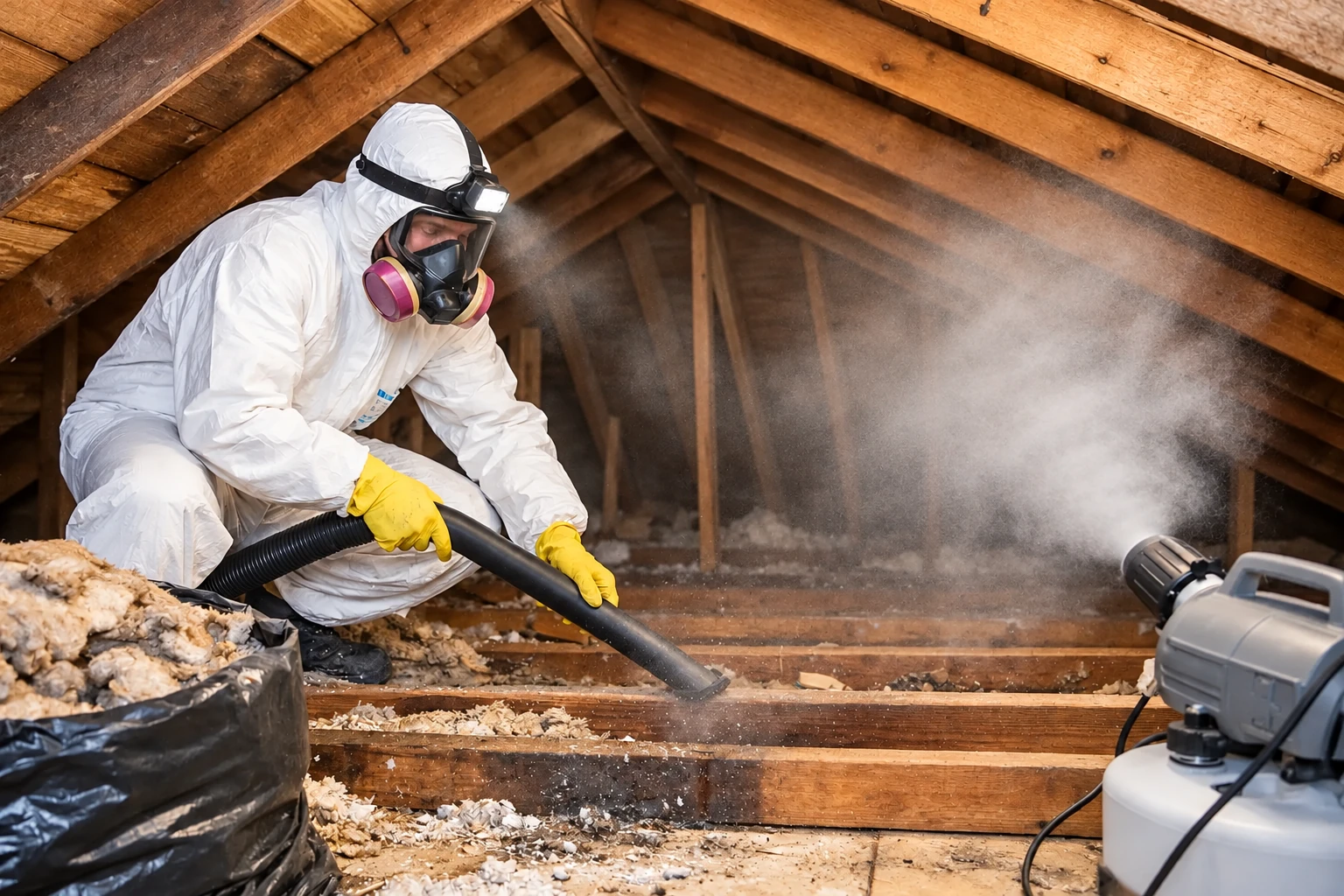
Spray foam insulation
Foam fills and seals in one pass. That makes it a good fit for rim joists, the room over the garage and spots a hose of loose fill can't reach. It costs more, so I suggest it where sealing alone won't stop the draft.
Advanced Duluth Insulation Company is a Duluth, MN insulation contractor working in Hermantown homes. We seal attic gaps, add insulation to attics, walls, basements and crawl spaces, and take out old insulation that's gone bad.
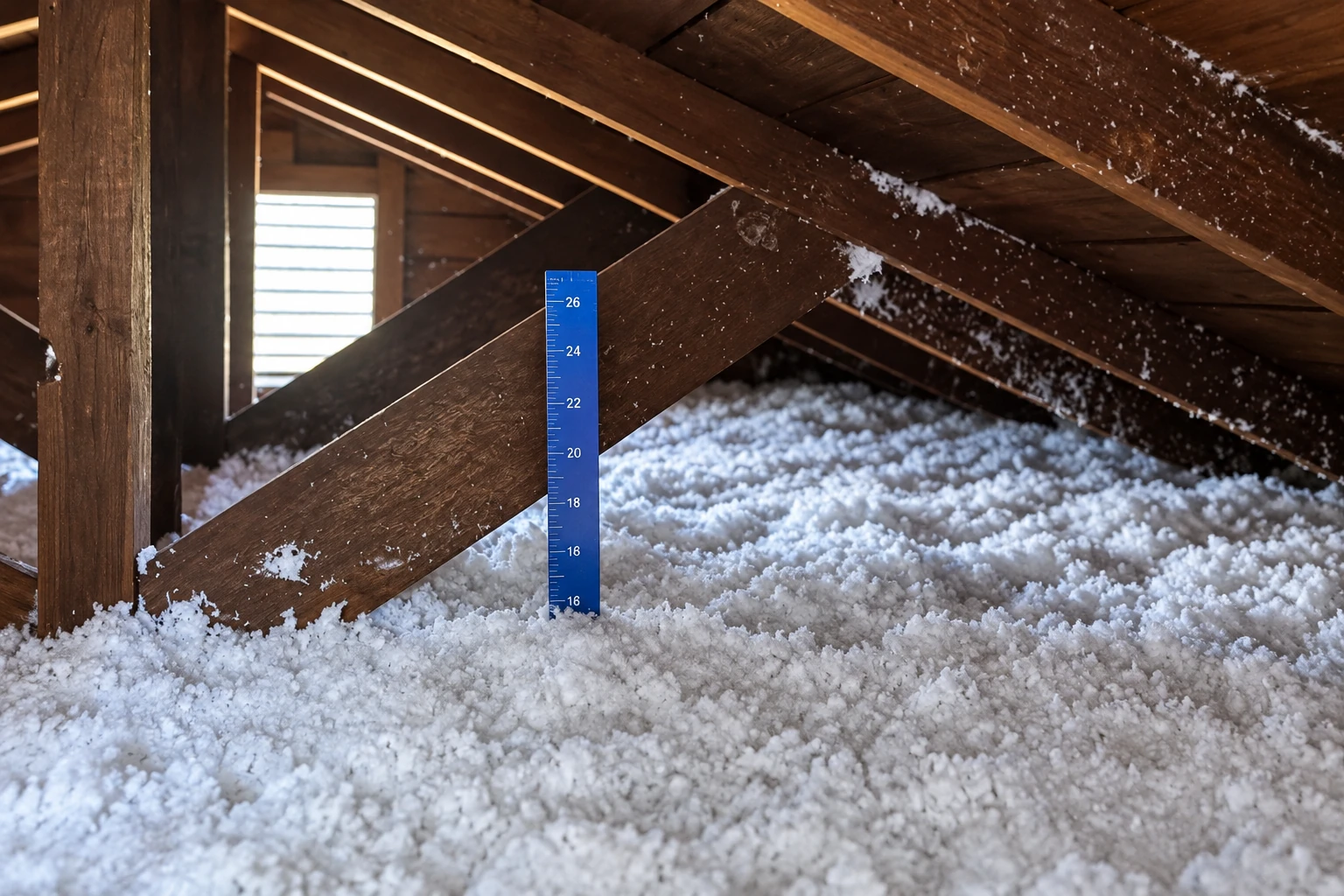
Most of the calls I take from Hermantown are about ice building along the eaves, a cold room over the garage or a basement that sends a draft across the floor. The houses here sit on roomier lots, from older homes with a few settled inches overhead to newer builds with rooms tucked over attached garages. We come over from our base in Duluth to do the same work we do in Cloquet and Superior.
Winter shapes the job here. The City of Hermantown plans for heavy snow sitting on roofs, and it sets footings at least five feet down because the ground freezes that deep. So when warm air slips into the attic, it melts that snow from underneath, and the water refreezes at the cold eaves. Basement walls and crawl spaces also sit against frozen ground for months, which is why we seal the gaps first and pay close attention to the rim and the walls below.
The price depends on how many inches are already up there and what shape they're in. It also depends on whether old material has to come out, how many gaps need sealing and how easy the attic is to reach. Foam costs more because it seals air while it insulates. For most attics, I'd rather seal the gaps and top up the loose fill, unless the ductwork runs through the attic. The schedule turns on the same things, plus the permit check. I come out myself to look and write up your estimate.
Before anything new goes in, we look under what's already up there for damp spots, droppings and buried eave vents. It's the way a line cook finishes the prep before the first ticket comes in.
I look at your house myself and write up the estimate. Then I stay on site with our crew while the work is done, so the person who planned the job is the one watching it.
Before we leave, I walk you through what we found, what we did and why. We also clean up the hatch area and every room we passed through on the way.
Foam fills and seals in one pass. That makes it a good fit for rim joists, the room over the garage and spots a hose of loose fill can't reach. It costs more, so I suggest it where sealing alone won't stop the draft.
Most attic jobs start with how many inches are already up there and whether they're dry and clean. We seal the gaps first and keep the eave vents open. Then we bring the depth up evenly, right out to the edges.
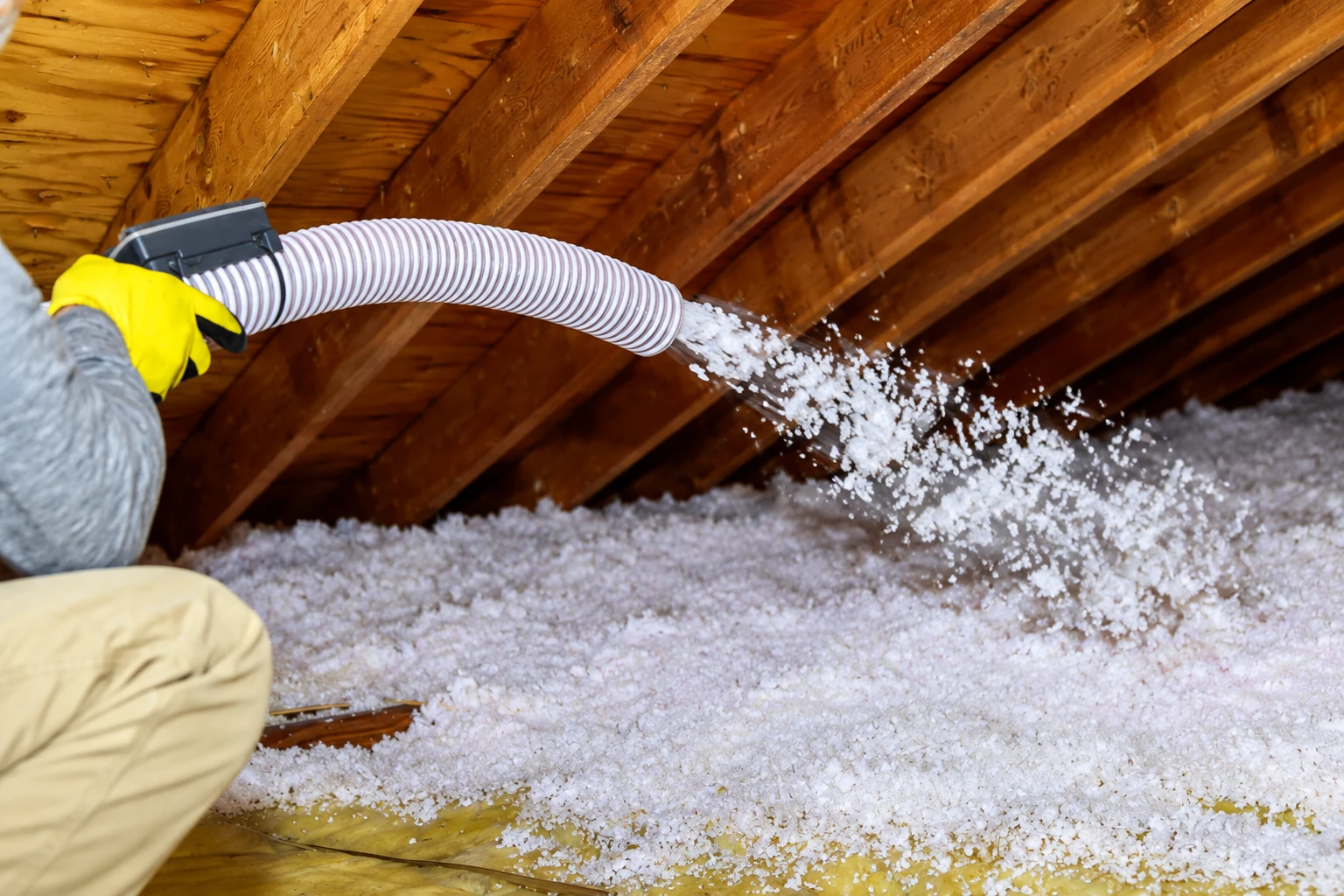
Blown-in insulation is loose fill blown through a hose, and it suits open attics with old, uneven batts. We carry it full depth out to the eaves, because thin edges over the walls are where cold ceilings start.
When several rooms feel cold or the power bill keeps climbing, I look at the whole house. That means the attic, walls, basement and crawl space. Then I tell you which part to fix first and why.
If old insulation is soaked, matted or full of droppings, we take it out and clean up before anything new goes in. Fresh material laid over that mess keeps the smell and the damp right where they were.
Cold floors above a crawl space usually trace back to bare rim joists and open walls down there. We insulate those so the floor above stops pulling heat out of your rooms all winter.
Older walls with little or nothing inside can be filled through small holes that we patch afterward. I check for wiring and blocking first, so every cavity fills full and no cold pockets are left behind.
Air sealing means closing the gaps around pipes, wires, chimneys and the hatch before any insulation goes in. It's the step people skip most, and it's the one that stops the drafts.
Drafty basements usually leak at the rim joist, the band of framing on top of the foundation. We seal and insulate it first, then the walls. That way the basement holds heat instead of chilling the floor above.
Closed-cell foam is dense foam that also blocks moisture, so it suits rim joists and walls against cold concrete. We follow the foam maker's instructions on thickness and on when you can come back inside.
Open-cell foam is lighter and softer. It fills odd-shaped cavities and quiets sound well. It doesn't block moisture the way closed-cell does, so I keep it to dry spots inside the house.
For shops, offices and other small buildings, I walk the space with you first to see what's there. Then we plan the work around your hours and keep the mess contained to the area we're in.
A bare dirt crawl space sends damp up into the floor framing. We lay heavy plastic over the ground, run it up the walls and tape the seams, so the space stays drier and the insulation keeps working.
A vapor barrier keeps moist indoor air off cold framing, but it has to sit on the right side of the wall. I check what's already there before adding one, since two barriers can trap water between them.
Careful attic air sealing is what we're best known for. Before any fill goes in, we seal around can lights, pipes, wires and the hatch, so warm air stops rising into the attic and melting snow from below.
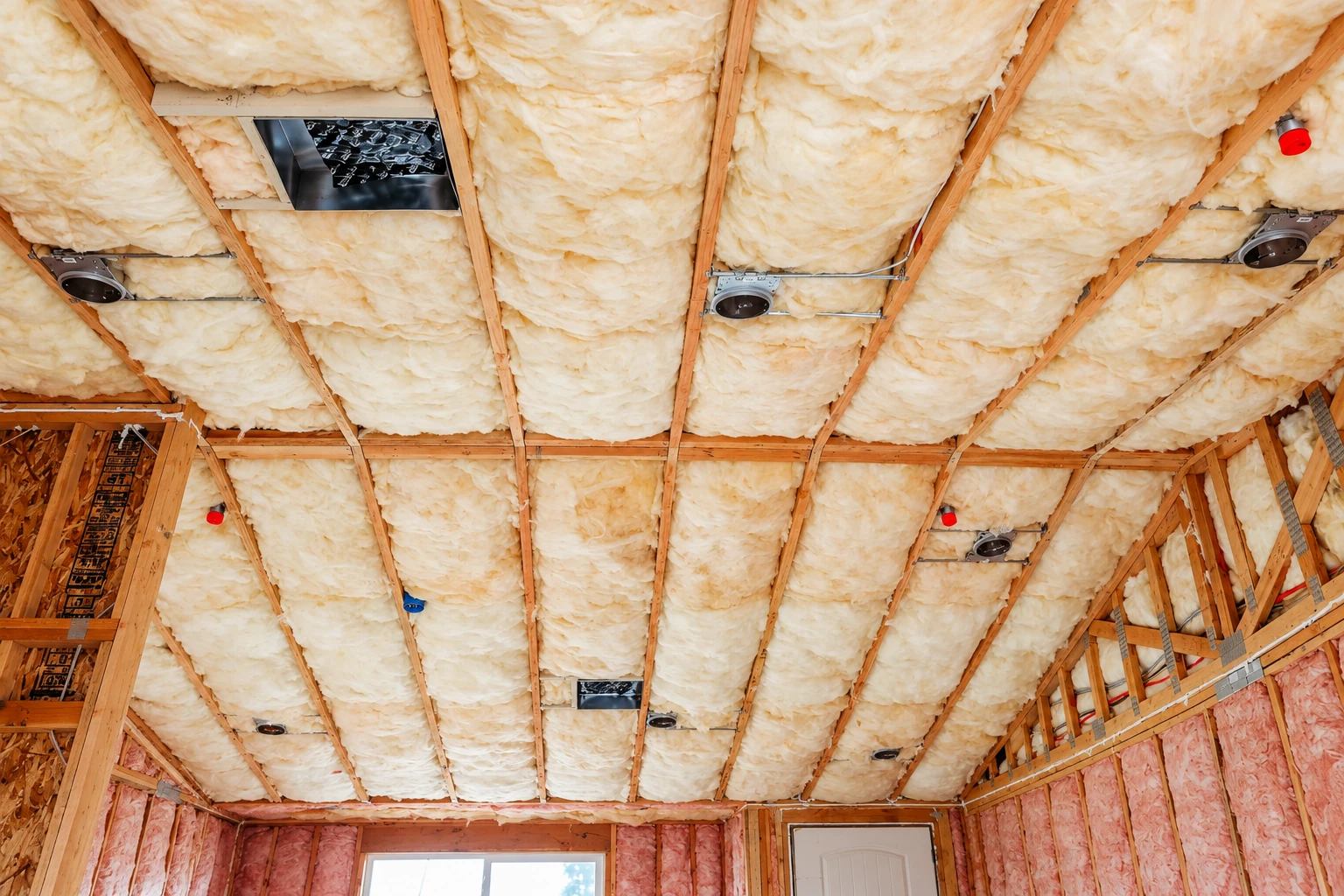
Retrofit insulation means adding insulation to a finished house without tearing it apart. We work through the attic, small wall holes or the basement, and plan around how the house was built so we don't trap moisture.
Send the form, and we'll reply within one business day to set a time. I'll come to your house, look things over myself and write up the estimate, which is free and comes with no obligation.
I measure how many inches are already up there and look at the hatch, can lights and eave vents. I also check for damp or droppings, because those decide what has to happen first.
Ice along the eaves, a cold room over the garage, a drafty basement and a rising power bill each point to a different place. Mention what you've seen, and I'll start there.
If you know roughly when the house was built or last insulated, please tell us. Older houses often have little in the walls and fill overhead that has settled over the years.
These are the questions Hermantown homeowners ask me most about permits, licenses and what happens on the day we insulate.
The city's permit list doesn't name insulation, so I check with the city before we start instead of guessing. Hermantown's building department lists permits for roofing, siding, windows, doors, furnaces, boilers and water heaters. SAFEbuilt has run the department for the city since August 19, 2026. Once I've asked about your job, I'll tell you whether we'll pull the permit or what you'll need to do.
Minnesota requires a residential building contractor or remodeler license when a contractor working directly for the owner of a one-to-four-unit home takes on more than one kind of skilled work. A contractor doing just one specialty doesn't need a state license. Hermantown issues no general business license, so there's no city license to ask for. We're fully licensed and insured.
For blown-in fill and air sealing, you can usually stay home, since the work happens up in the attic and we cover the path to the hatch. Spray foam is different. The foam maker sets a re-entry time, the wait before people and pets come back inside, and we follow it. I'll give you that time at the estimate so you can plan around it.
These are the other cities with their own page on our site. We also work in other cities around the Twin Ports, so if yours isn't listed, please call or send a message and ask.
The sooner I see your attic, the sooner you'll know what's under the old insulation. Call (218) 206-2942 or send a message, and thank you.