
Basement rim joists
The band of framing on top of your foundation wall lets a lot of cold air into Duluth basements. Foam seals and insulates it in one pass, which often helps the floors above.
Cold rooms, drafty walls or a chilly room over the garage? We spray open-cell foam where it fits, so the air stops moving through.
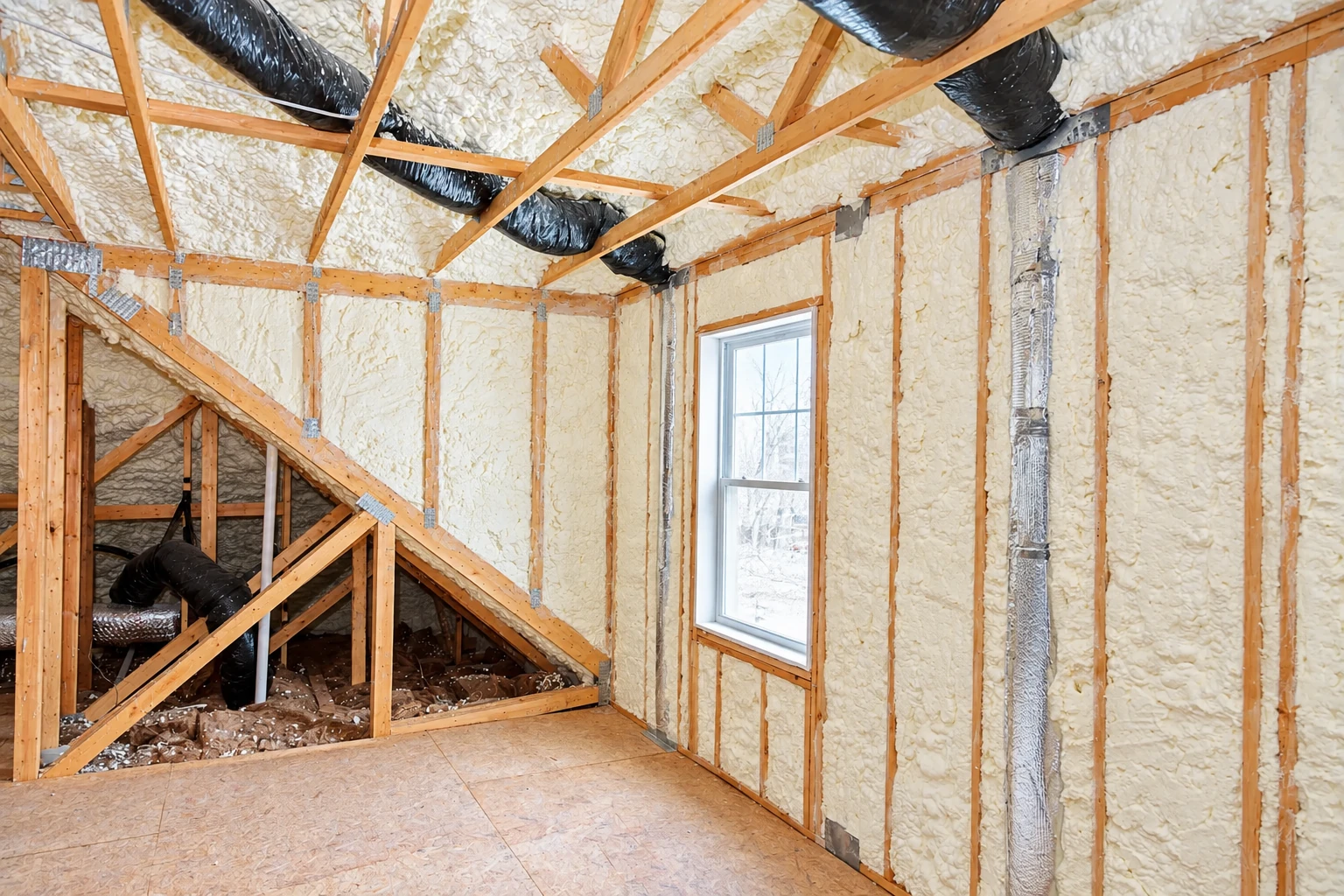
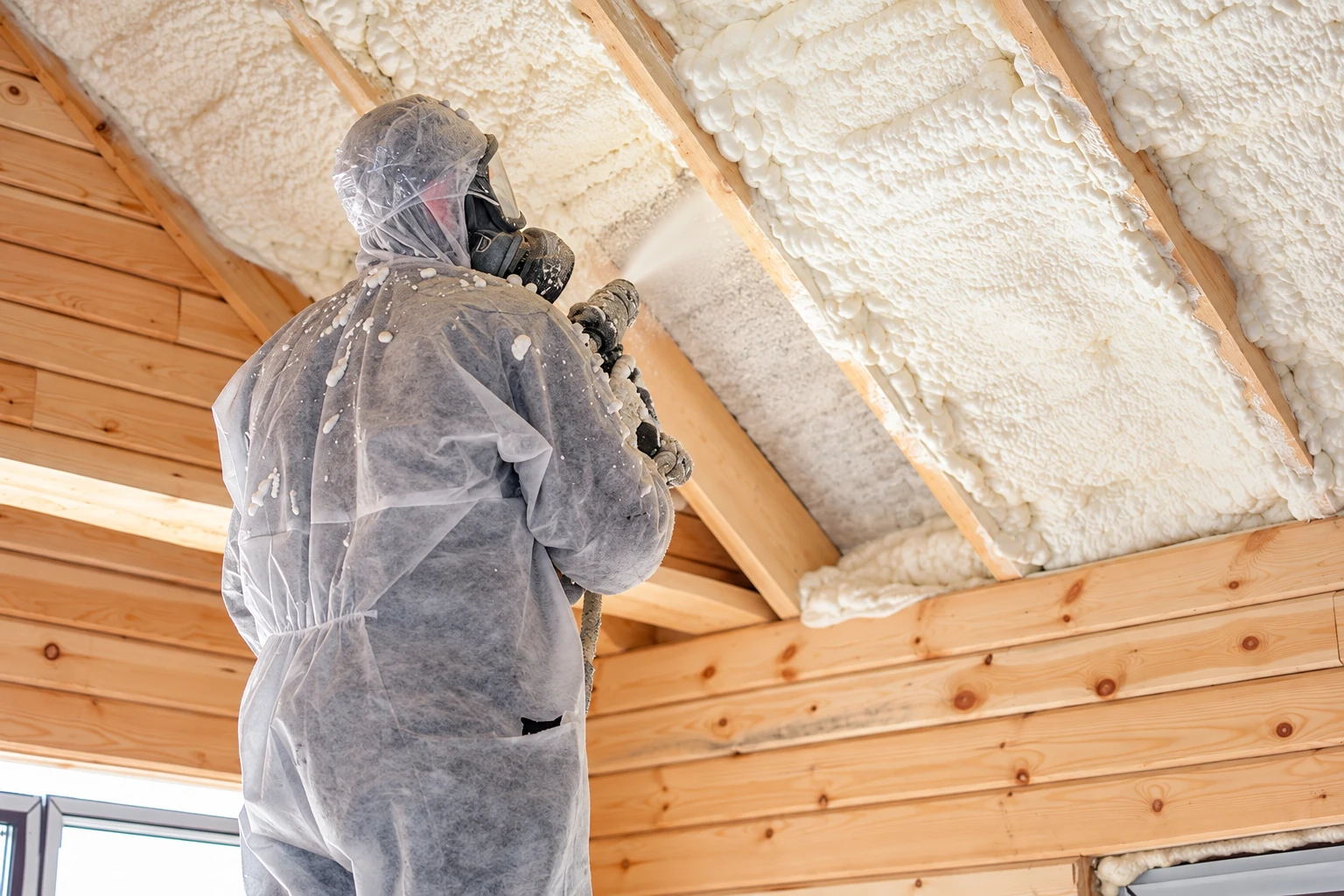
Open-cell foam insulation is a soft, light spray foam that fills cracks and stops drafts while it insulates. We install it in Duluth homes where moving air is what makes a room cold.
Most calls start with a cold room over the garage, a drafty basement or floors that never warm up in January. Open-cell foam is a good answer for many of those, though not every one, and I'd rather tell you that at the estimate than after the foam is on.
The price moves with how much area we cover, how deep we spray, how easy the space is to reach and whether old insulation has to come out first. The schedule turns on the prep and on how long your household needs to be out while the foam cures, and I write up your own figure once I've measured the space. We're based in Duluth and work in Superior, Hermantown, Cloquet and other cities around the Twin Ports.
I come out to look at the job and write the estimate myself, and I'm on site with our crew when we spray, so the person who planned it is there when it's done.
Open-cell foam lets water vapor through, so we talk about the space before we pick it, and we'll tell you when closed-cell foam, the denser kind that blocks moisture, fits better.
We cover floors and mask what shouldn't get foam, trim and bag the overspray, and clean up before we go. Then I walk you through what we did and why.
Open-cell foam is softer and lighter than closed-cell foam, and it stops drafts well, but moisture can still pass through it, so we talk about where it fits before we pick it. If it's going along a roofline, I'll explain how we plan to handle winter moisture at the roof boards. Foam also costs more than loose fill. On an open attic floor, sealing the gaps and topping up with blown-in, which is loose fill blown through a hose, usually wins. Foam earns its price when your ductwork runs through the attic and needs to sit inside the sealed space.
On spray day we work the way a kitchen preps before dinner service. Everything gets covered and masked, and we check what's already in the space first, because foam sprayed over wet material or old insulation full of droppings just seals the problem in. Then we spray to the planned depth, edges and corners included, since thin coverage at the edges is usually where the cold gets back in. After that we trim, clean up and walk you through the work.
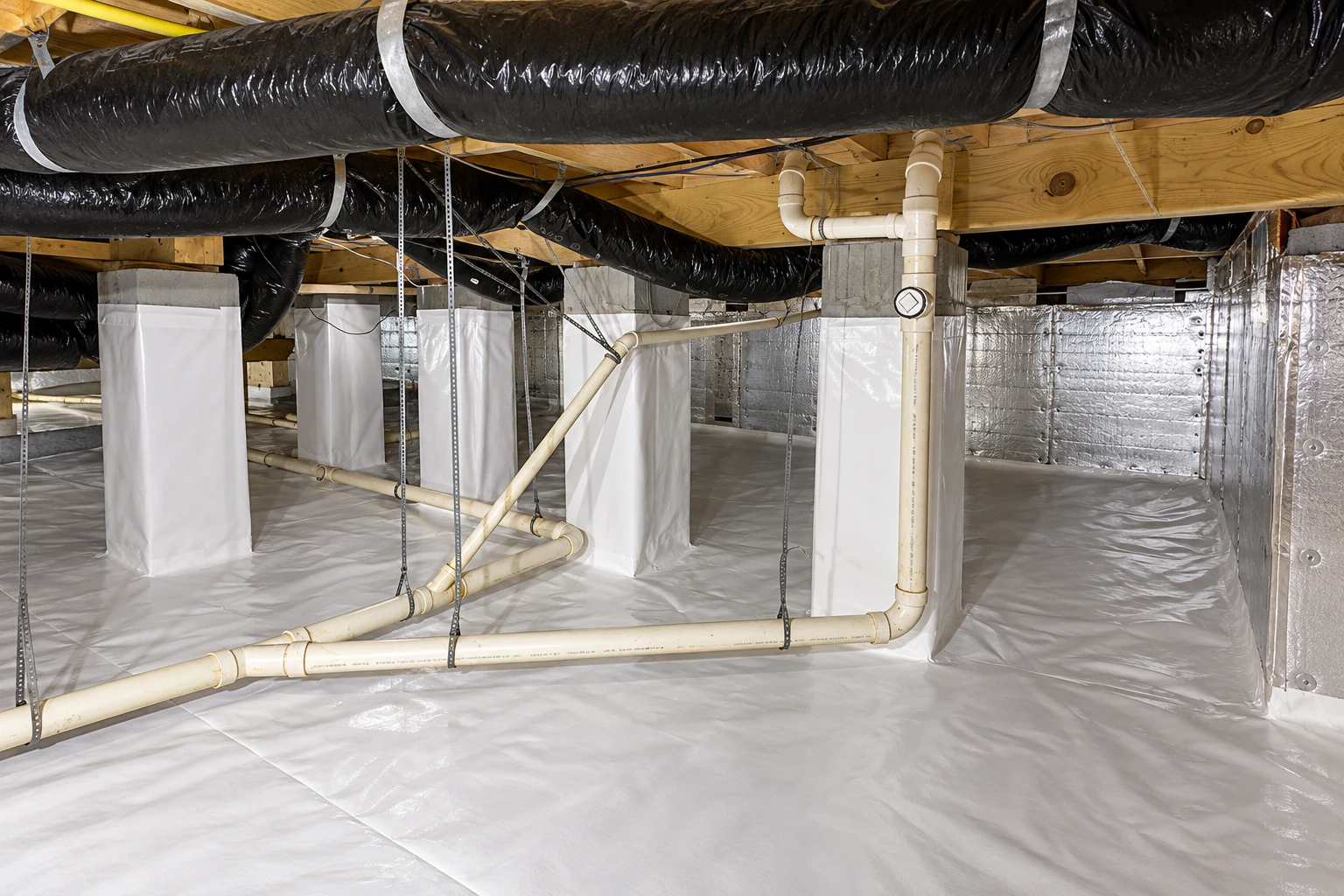
If the foam is going into a crawl space, the ground there usually needs a crawl space vapor barrier as well, because open-cell foam won't stop moisture rising from the soil. For shops and offices, our commercial insulation work follows the same order of checks first and foam second.
The band of framing on top of your foundation wall lets a lot of cold air into Duluth basements. Foam seals and insulates it in one pass, which often helps the floors above.
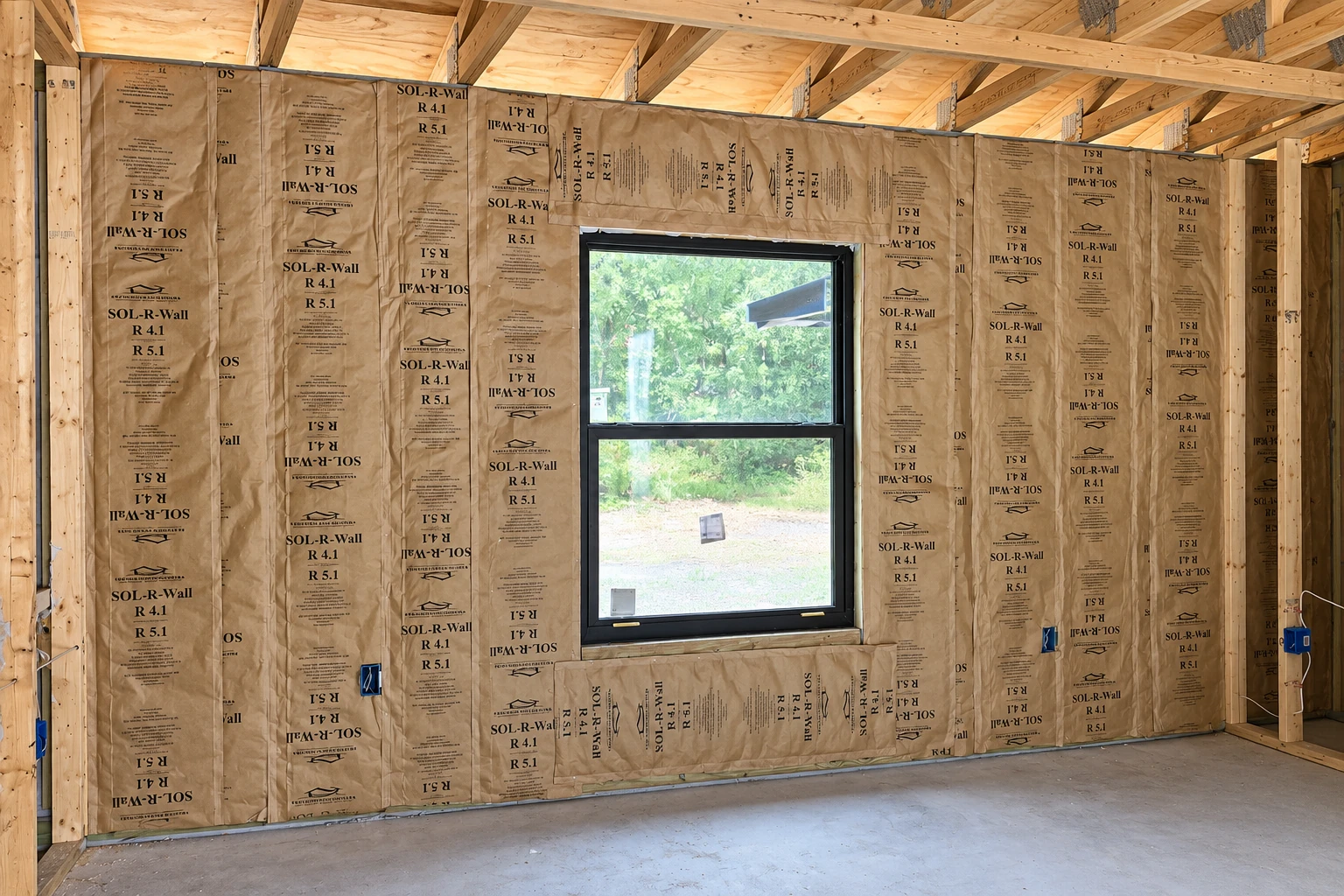
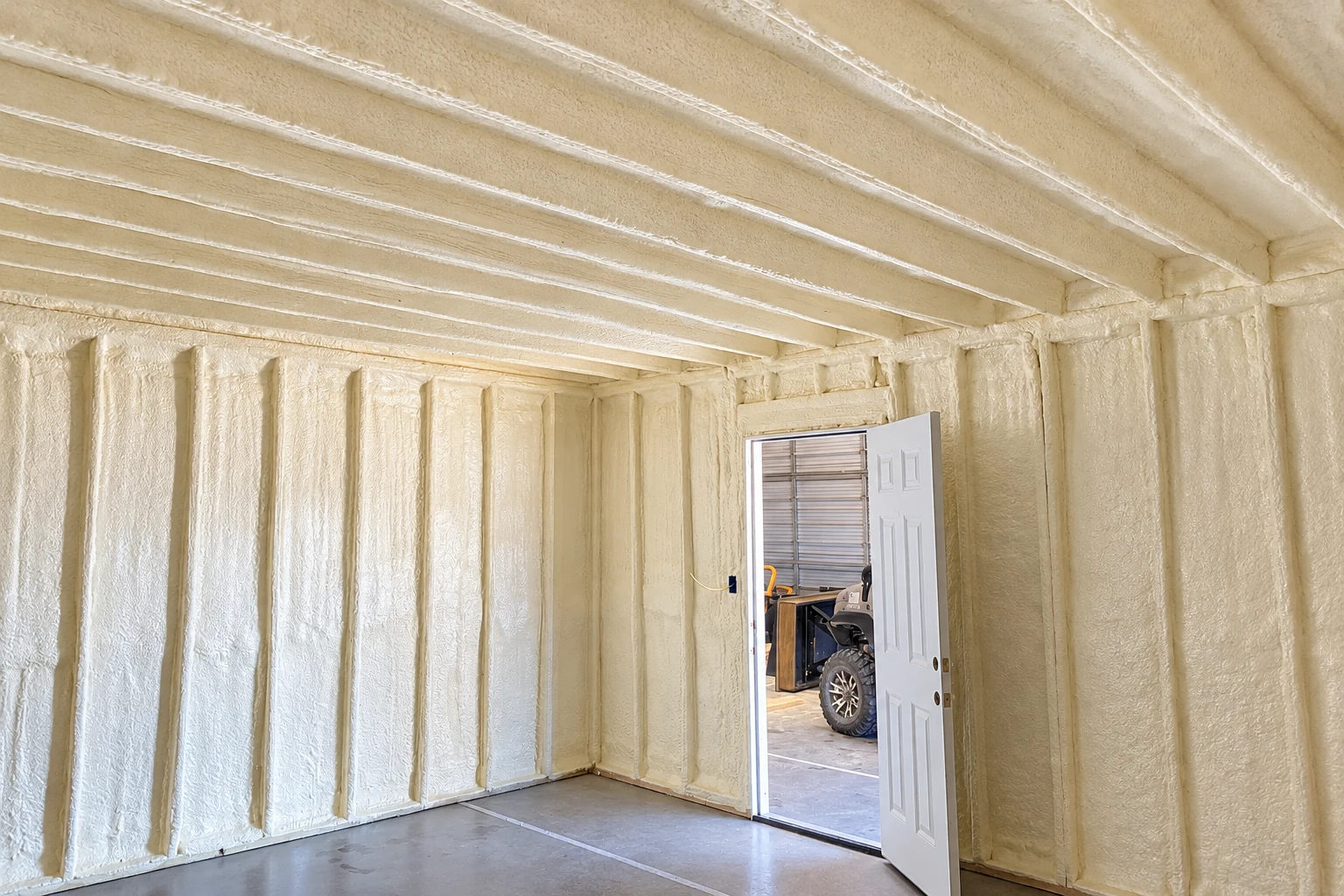
When the drywall is off, foam fills every bay around wires, pipes and outlets, so drafts can't sneak past the way they do around batts that were cut to fit.
That floor sits over cold air all winter, and the gaps around it are hard to reach. Foam seals and insulates it, so the room stops running colder than the rest.
When ductwork runs through the attic, foam along the roof brings it inside the sealed space. This is the job where we plan for winter moisture at the roof boards before we spray.
Send the form and we'll reply within one business day to set a visit. I'll look at the space at your home and write up your free estimate, with no pressure and no obligation.
Tell us which rooms, walls or rooflines you have in mind and their rough size, so I arrive knowing what to measure and what to check in each spot.
If ComfortSystems in Duluth has run its home energy analysis for you, bring the results, because its blower door test and thermal scans show where air leaks and where insulation is thin.
Everyone, pets included, needs somewhere else to stay while the foam cures, so tell us which weeks work and we'll plan the spray day around your household.
Examples of open-cell foam in stud walls, rim joists and rooflines, to help you picture the finish and talk through where it fits.
These are the questions people in Duluth ask us most about open-cell foam, from cost and depth to time away and permits.
Open-cell spray foam in Duluth usually costs about $0.60 to $0.90 per board foot, which is one square foot of foam an inch thick. Your total comes down to how much area we cover and how deep we spray, along with access and prep. I measure your space at the estimate and give you your own figure.
Every inch of open-cell foam adds about R-3.6, R-value being how well insulation slows heat, so the depth we spray decides how well the space is insulated. At rim joists, open-cell needs a thicker layer than closed-cell before it counts as an air barrier. Ask us what depth we're planning for each spot and why.
Plan on being out until the foam has finished curing and the house has been aired out and cleaned. Some foam makers recommend 24 hours for professional systems, though it varies by product, so your time away is planned around the foam we use. Temperature and humidity also affect curing, so we'll talk through the best time of year for your job.
It can be, with a plan for winter moisture. One research report found that roof boards over open-cell foam get wetter in winter, and it says the foam needs a vapor retarder coating, a layer that slows moisture, on its inside face. If your job is a roofline, I'll explain how we plan to handle that before we start.
I check that with the city before any work starts and tell you whether we'll pull the permit or what you'll need to do. Duluth's Construction Services & Inspections office issues the building permits the city requires for construction, alteration and repair of a building. Outside Duluth, I check with the city where your home is.
A contractor you hire directly for a one to four unit home needs a residential building contractor or residential remodeler license from the Minnesota Department of Labor and Industry if they offer more than one special skill. Insulation falls under interior finishing, and a specialty contractor doing only that one skill doesn't need a state license. We're fully licensed and insured.
Thank you, and when you're ready, call Advanced Duluth Insulation Company at (218) 206-2942 or send the form so I can see the space.