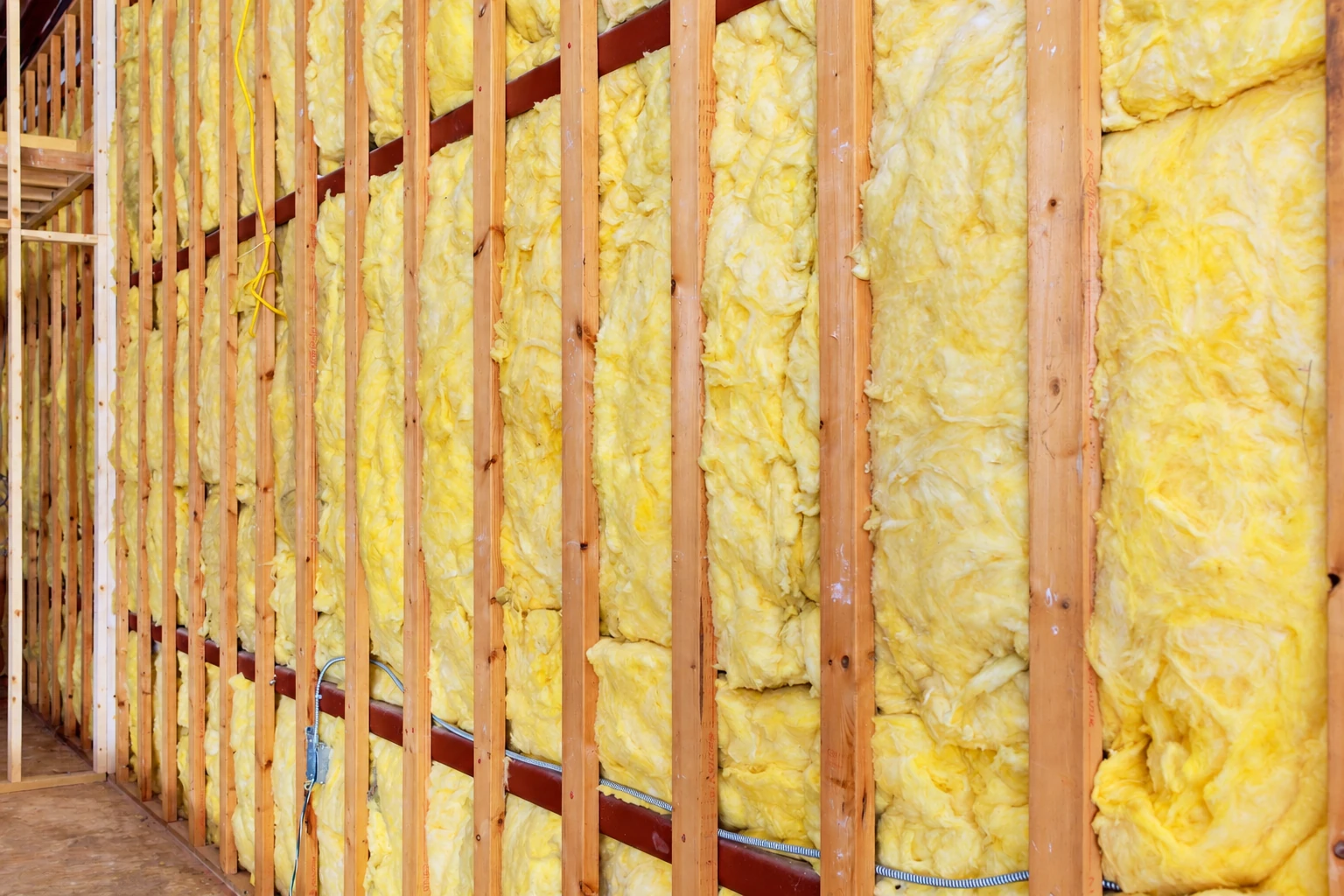
Insulation that got wet
When a roof leak or an ice dam has soaked the insulation, it stops doing its job and holds moisture against the framing, so we take it out instead of covering it up.
Old attic insulation that's soaked, dirty or packed over the vents? We check what it is first, then clear it out and leave the attic clean.
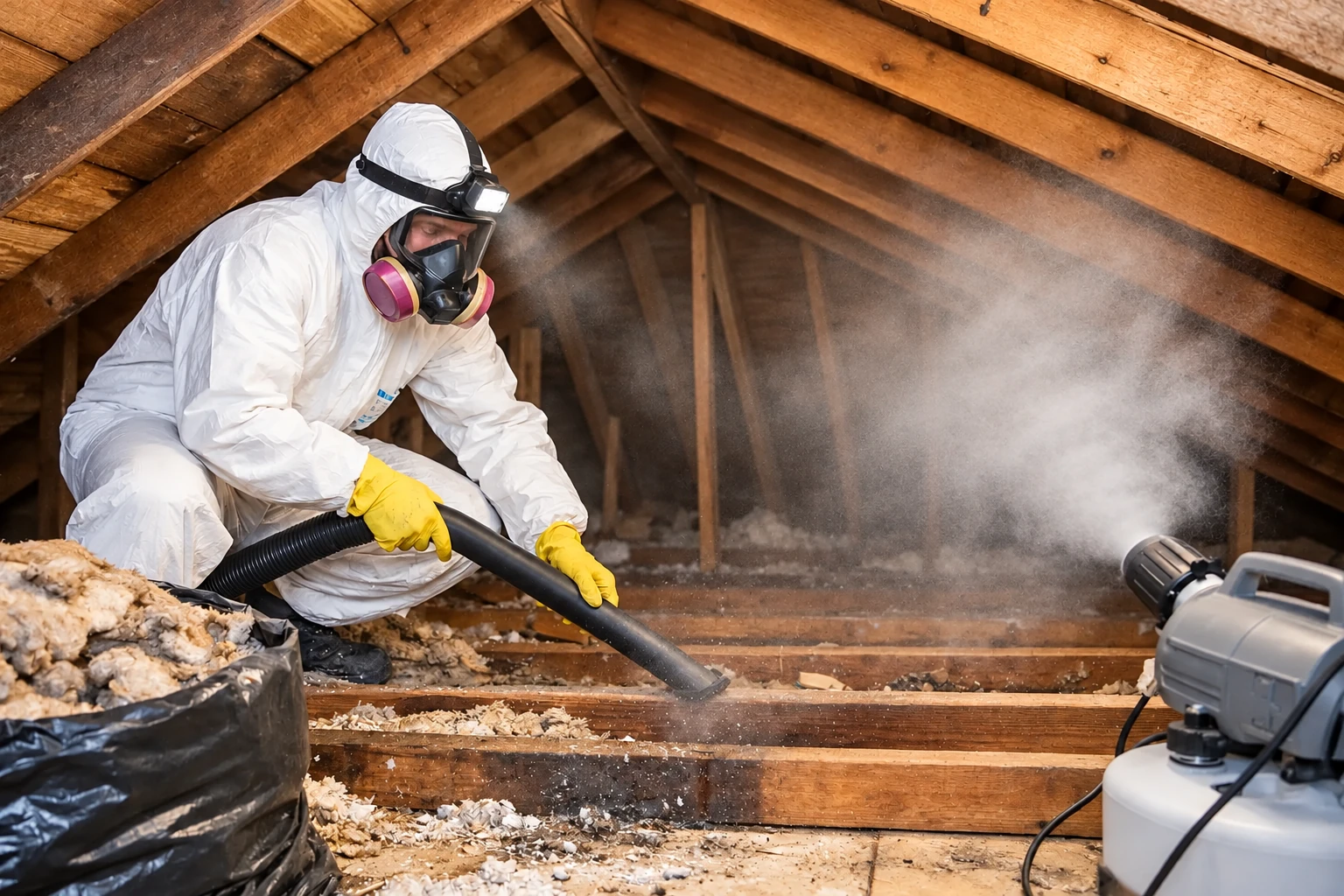
Insulation removal in Duluth means taking old blown-in insulation out of your attic, whether it's clean or fouled, and cleaning and treating the attic afterward when it needs it, so the space is ready to be sealed and insulated properly.
The price mostly comes down to how big the attic is, how easy it is to get into and whether the old material is clean or fouled, because fouled insulation takes more care to bag and clear. The schedule turns on what's up there, since ordinary insulation we can plan right away, while anything that looks like vermiculite goes to a separate abatement company first. I come out myself, look at the attic and write up your estimate, so you get a figure for your house and not a guess.
Duluth's Construction Services & Inspections office requires a building permit for work that alters or repairs a building, so before we start I check the rules with the city and tell you whether we'll pull the permit or what you'll need to do. We're based in Duluth and do the same work in Superior, Hermantown, Cloquet and other cities around the Twin Ports, and I check the rules with whichever city your home is in.
I come out to look at your attic and write up the estimate, and I'm on site with our crew when the work is done, so the person who planned the job sees it through.
A kitchen finishes its prep before service, and we work the same way, checking what the old insulation is and what's under it before we start, because doing it in the right order keeps problems from getting buried.
When ordinary old insulation comes out, we take it all out and leave the attic clean and ready for what comes next, and I walk you through what we found and why it mattered.
The first thing I look for is old insulation that looks like small pebbles. If that's what's up there, we leave it alone and point you to an accredited abatement company that's separate from whoever tested it, because we don't do asbestos work and it shouldn't be disturbed by anyone who isn't trained for it.
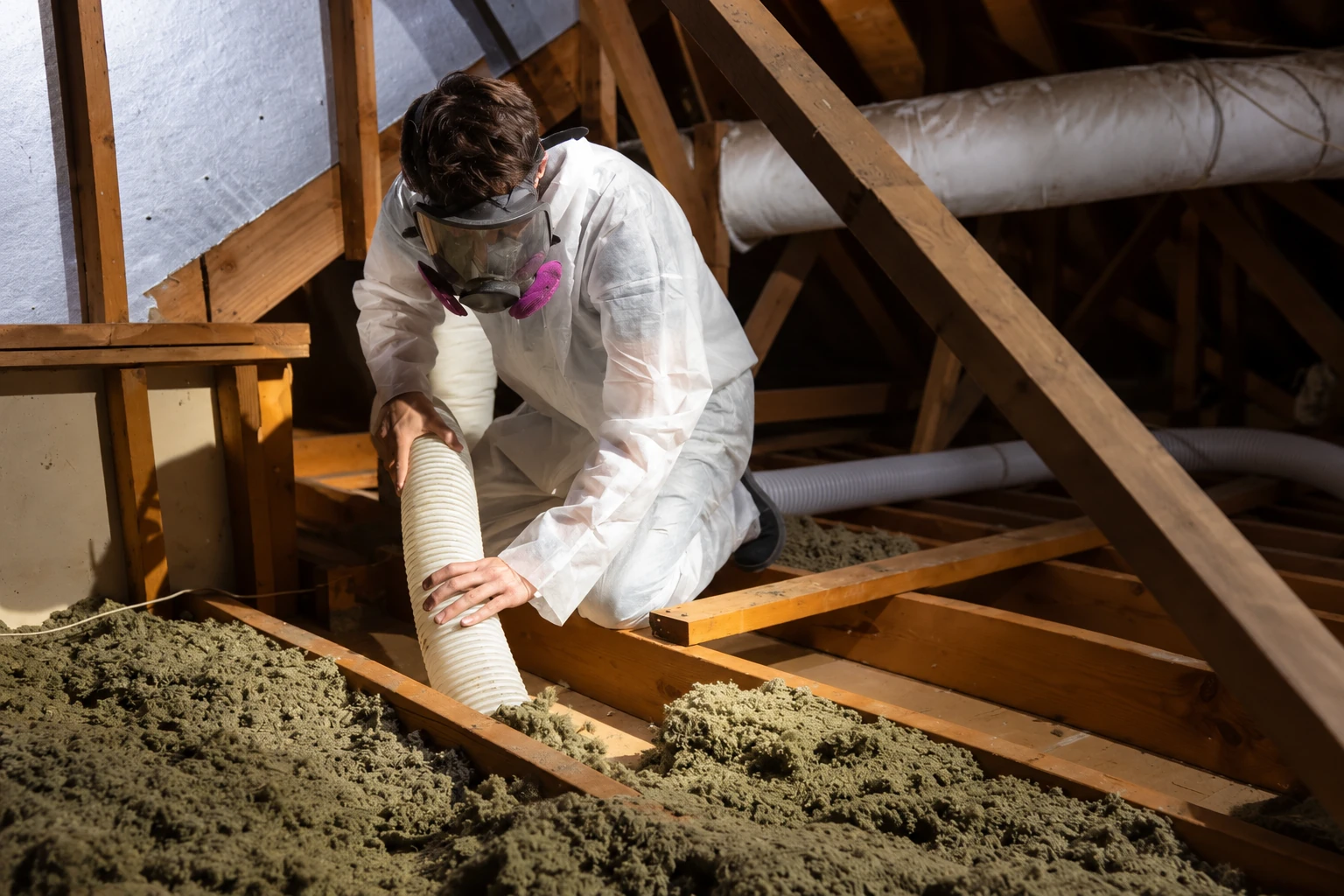
When it's ordinary old insulation that's soaked, dirty or simply in the way, our crew takes it out, bags it and cleans the attic down so the next step starts on a clean surface. That matters because fresh insulation laid over a bad layer only hides the problem, and it stays in your house.
Once the attic is clear, we seal the gaps around lights, pipes and the hatch before any new insulation goes in, and we keep the eave vents open so the attic can breathe. If the cold floors or drafty rooms you're dealing with go beyond the attic, we can talk about crawl space insulation or wall insulation while I'm there.
When a roof leak or an ice dam has soaked the insulation, it stops doing its job and holds moisture against the framing, so we take it out instead of covering it up.
Old insulation that's dirty, flattened or smells off won't improve under a new layer, so we remove it, clean the attic and give the new insulation a fresh start.
Air leaks around lights, pipes and the hatch often sit under old insulation, and we can't seal what we can't reach, so clearing it out is sometimes the only way to seal properly.
Insulation piled deep in the middle and thin at the edges, or packed over the eave vents, is often easier to take out and redo than to patch, so the attic can breathe again.
Send the form and we'll reply within one business day to set a time. I'll come out, look at your attic and write up a free estimate, with no pressure and no obligation.
If you know roughly how many square feet the attic covers, please include it, because size is one of the biggest things that moves the price of removal.
Say whether it looks fluffy, matted or like small pebbles and what color it is, because that tells me before I arrive whether this is ordinary removal or a job for an abatement company.
If you've had ice dams, a roof leak or a room upstairs that never warms up, say so, because that tells me what to check while I'm in the attic.
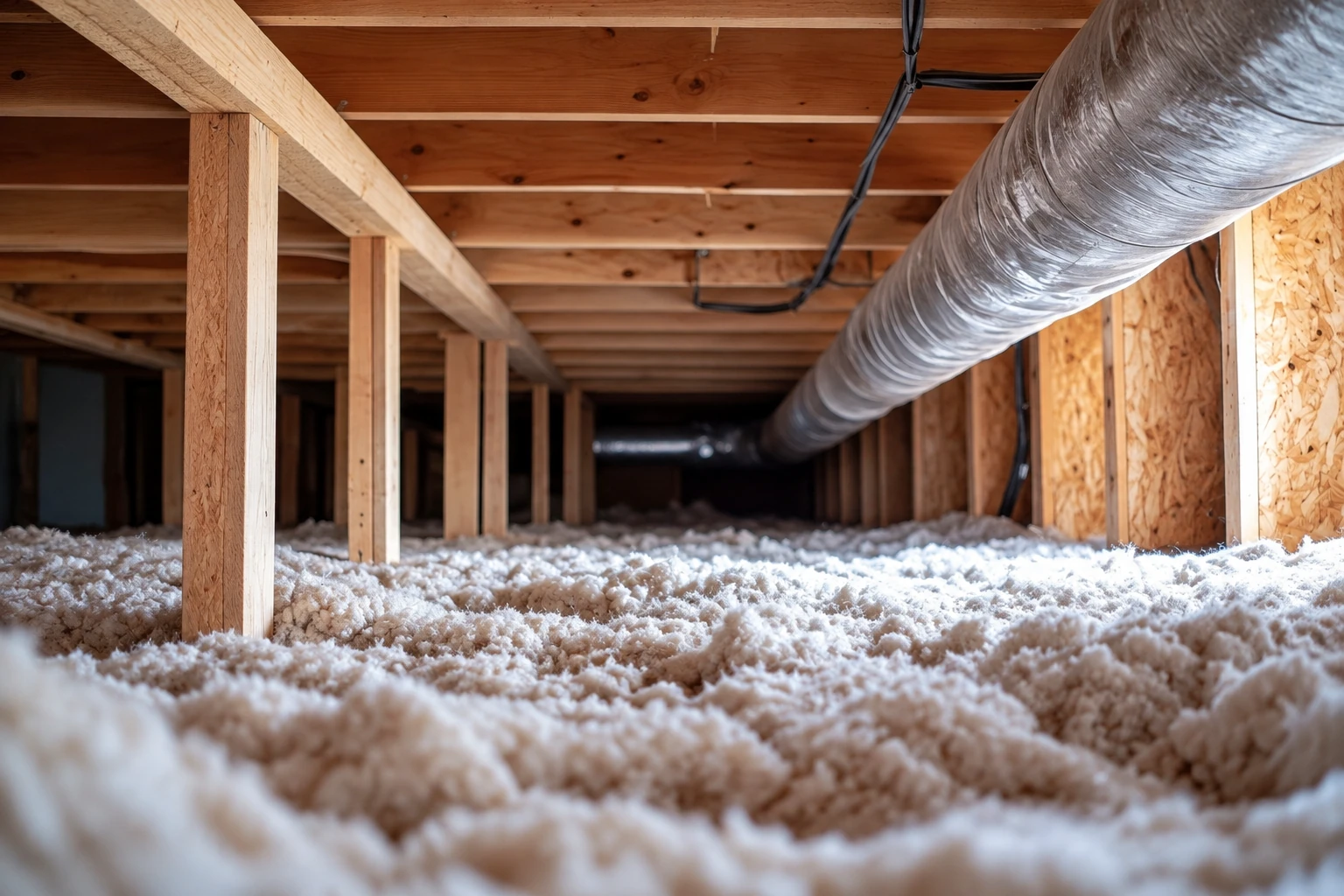
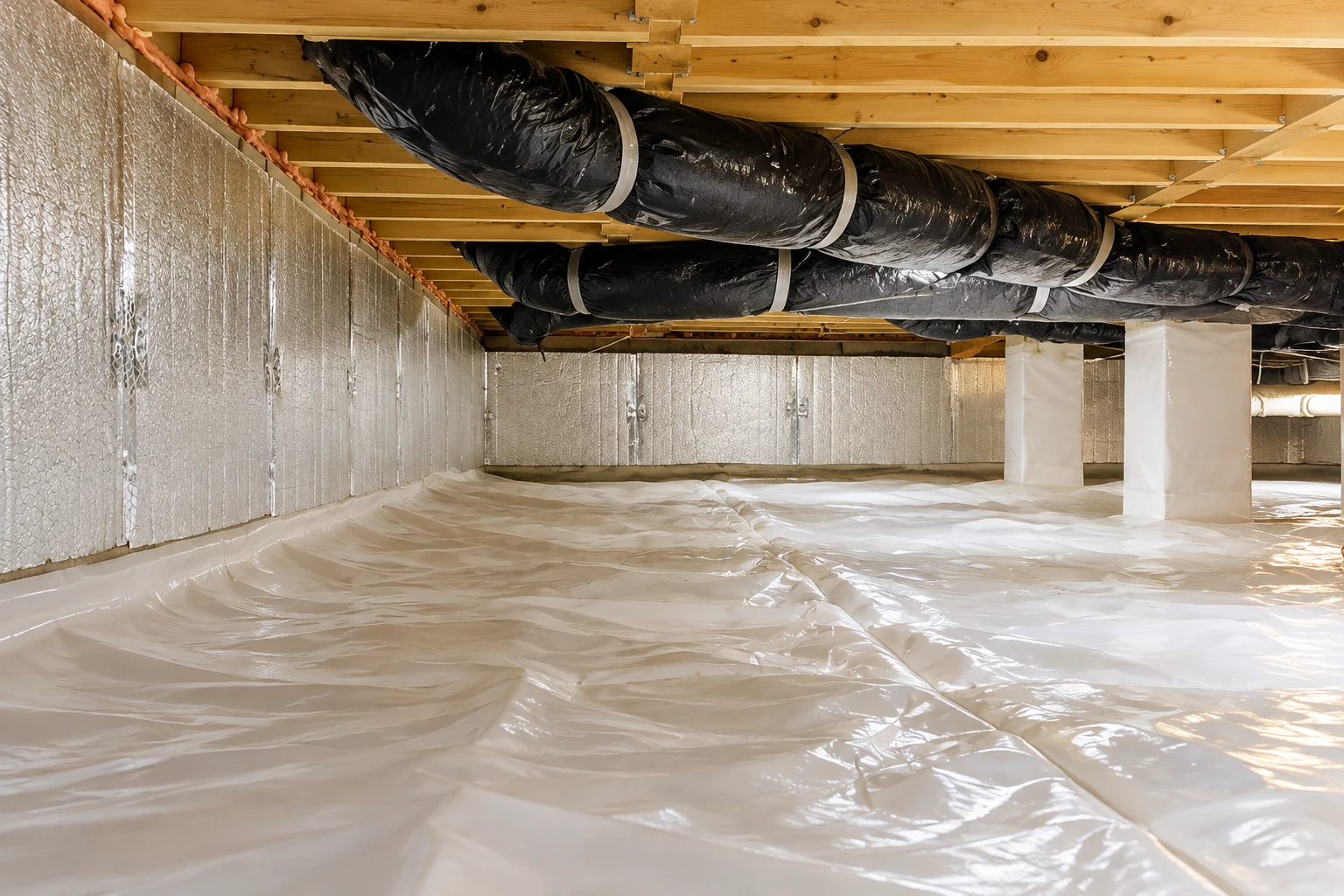
These illustrative photos show cleared attic floors, sealed gaps and fresh blown-in layers, the kinds of finishes we can talk through when I look at yours.
Here are the questions Duluth homeowners ask most about clearing old attic insulation, from cost to vermiculite and Minnesota's asbestos rules.
Across the US, attic insulation removal usually costs about $1 to $4 per square foot. Clean blown-in insulation in an attic that's easy to get into sits at the low end, while fouled material costs more because it's bagged and thrown out as contaminated waste. I'll give you the figure for your attic when I come out.
Vermiculite is a pour-in insulation that looks like small pebbles, usually gray-brown or silver-gold. The EPA says to treat it as if it contains asbestos, so either leave it undisturbed or have a trained professional remove it. If you think you have it, please don't dig into it, and tell me when you call.
Either is allowed, and the state health department says owners of older homes can assume the material contains asbestos and treat it that way. Assuming is the easier path, while testing means hiring a Minnesota-certified asbestos inspector to sample it before removal is planned. The EPA also advises hiring the remover as a different company from the assessor, which keeps conflicts out.
Minnesota law requires anyone doing asbestos-related work in the state to be licensed by the state, including subcontractors, though an owner who lives in a single-family home needs no license for work in that home. We're fully licensed and insured for insulation work, not asbestos work, so for vermiculite I point you to an accredited abatement company.
For asbestos projects that meet the state's notification rules, the Minnesota Department of Health must get notice at least five calendar days before the work begins. Build that wait into your start date when you plan with the abatement company. Once they've finished, we can come in to seal and re-insulate the attic.
It may, because removing vermiculite attic insulation is the most common asbestos abatement in weatherization work, and a service provider may cover those costs through federal and state grant programs. Asbestos can also put weatherization work on hold, so if you're in a program, ask your provider early how they handle it.
Thank you for reading, and since we take calls into the evening and on weekends, call (218) 206-2942 or use the form whenever suits you.