
Spray foam insulation
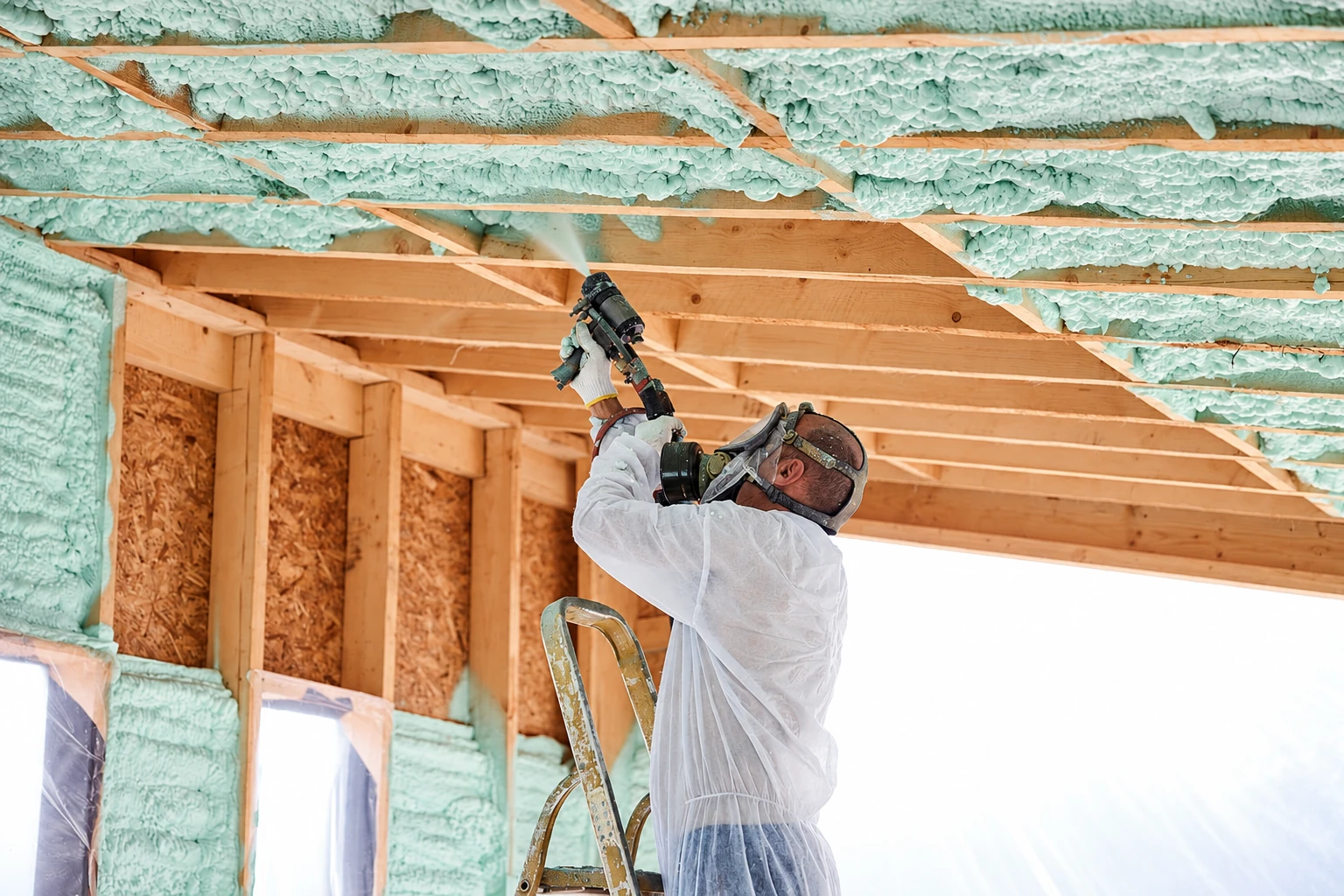
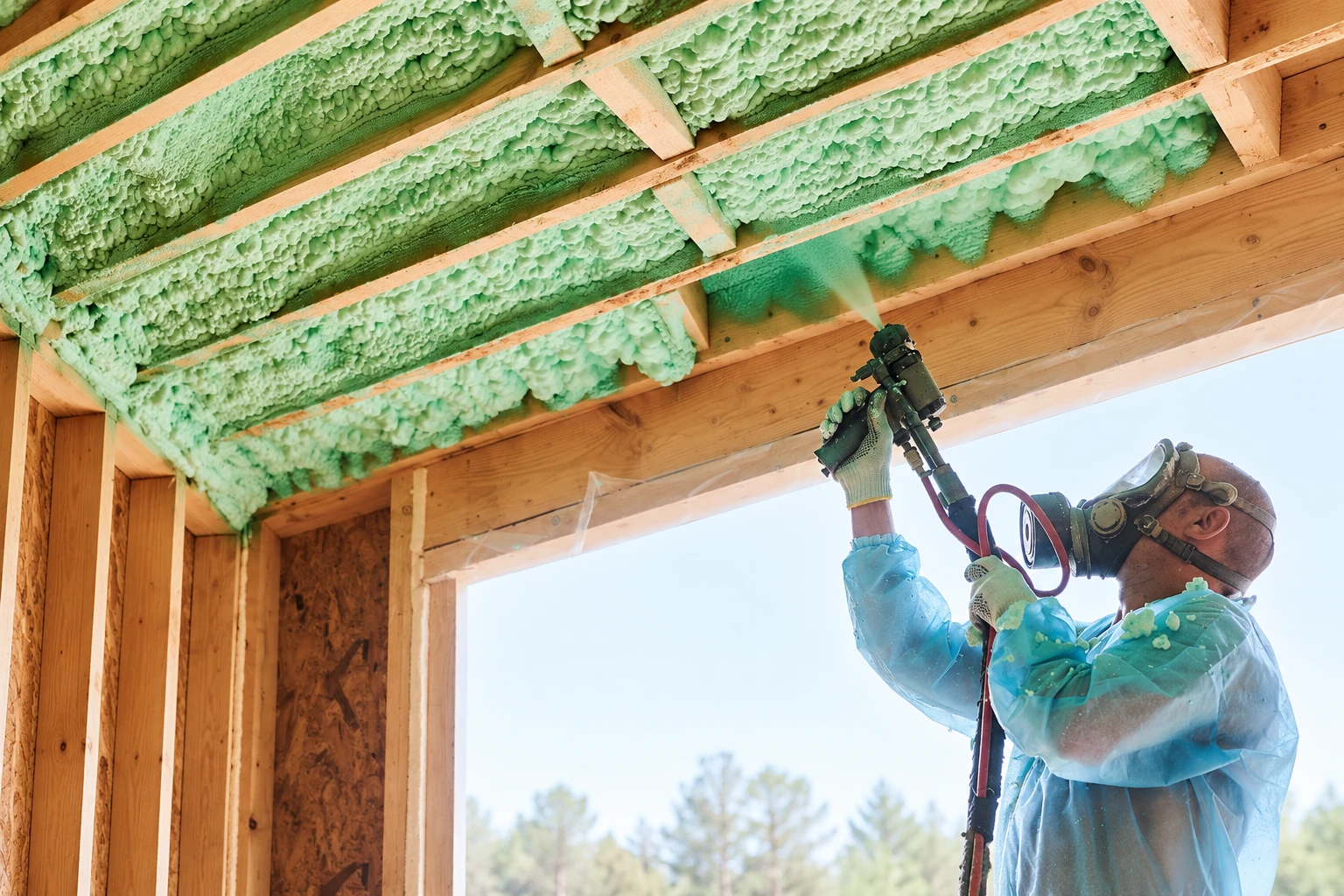
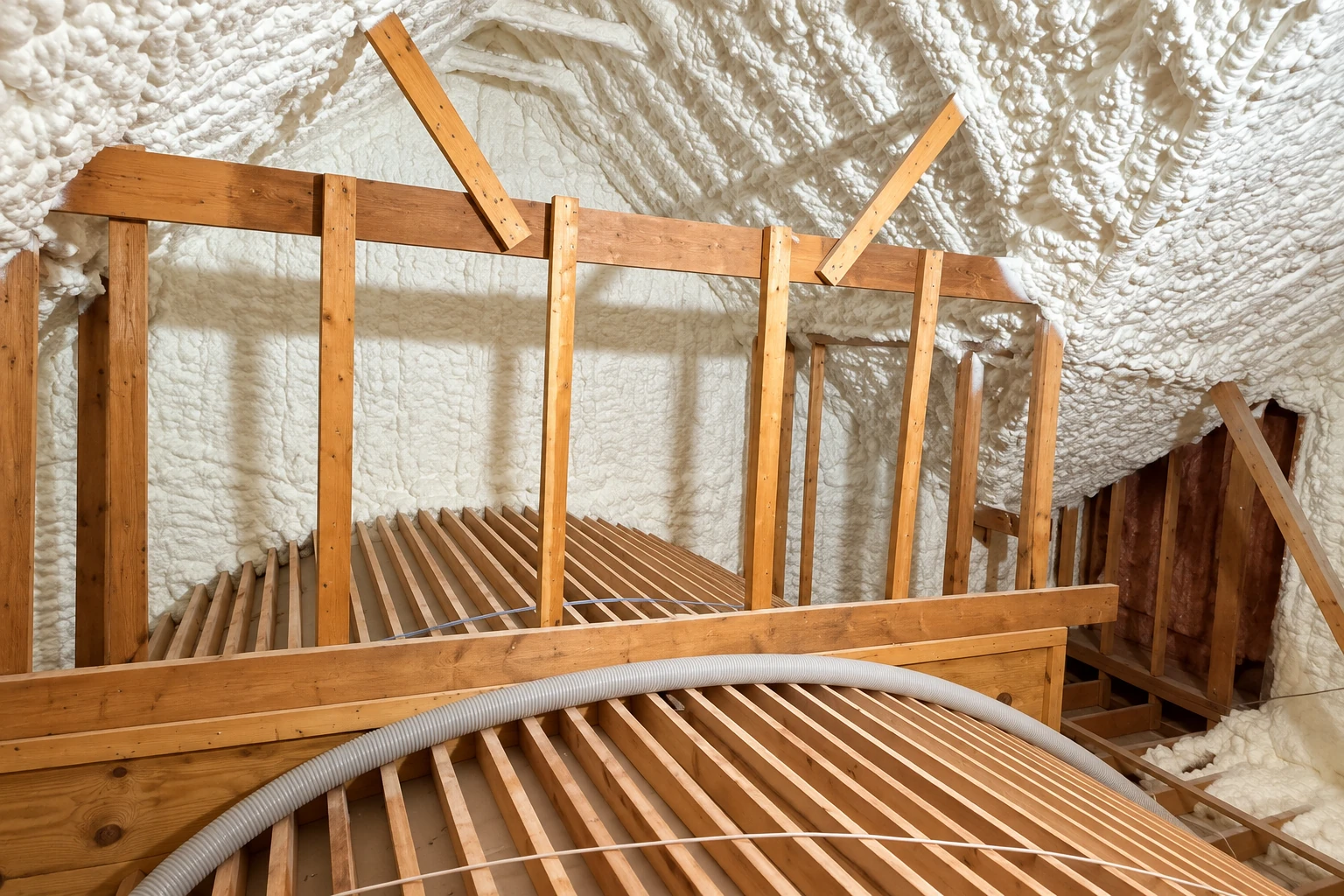
Spray foam seals air and insulates in one pass, which helps on rim joists, odd framing and attics where ductwork runs. It costs more than loose fill, so I'll tell you plainly where it's worth it in your house.
Advanced Duluth Insulation Company is an insulation contractor based in Duluth, Minnesota. We air seal and insulate attics, walls, basements and crawl spaces in Duluth homes, closing the gaps first so the new insulation can do its job.
Most of the calls I take in Duluth start with ice dams along the eaves, a cold bedroom upstairs or a basement that sends drafts across the floors. In the older houses, the attic usually has a few inches of tired insulation and plenty of warm air leaking up from the rooms below, so the fix starts with sealing, not with piling on more.
The price turns on how much is already up there and what shape it's in, how many gaps need sealing, whether old material has to come out first, and which material fits your house. Foam costs more and seals air as it insulates, but for most attics I'd rather seal the gaps and top up with loose fill, unless your ductwork runs through the attic. The schedule depends mostly on access and the permit, and you'll get your own price in the written estimate after I've seen the job.
Permits for work in the city come from Duluth's Construction Services & Inspections office, and the questions below cover what that means for an insulation job. We're based in Duluth and do the same work in Superior, WI, Hermantown and Cloquet, along with other cities around the Twin Ports.
Like a kitchen finishing its prep before service, we check for soaked or droppings-filled insulation, seal the gaps and clear the eave vents first, because fresh insulation over an old problem just hides it.
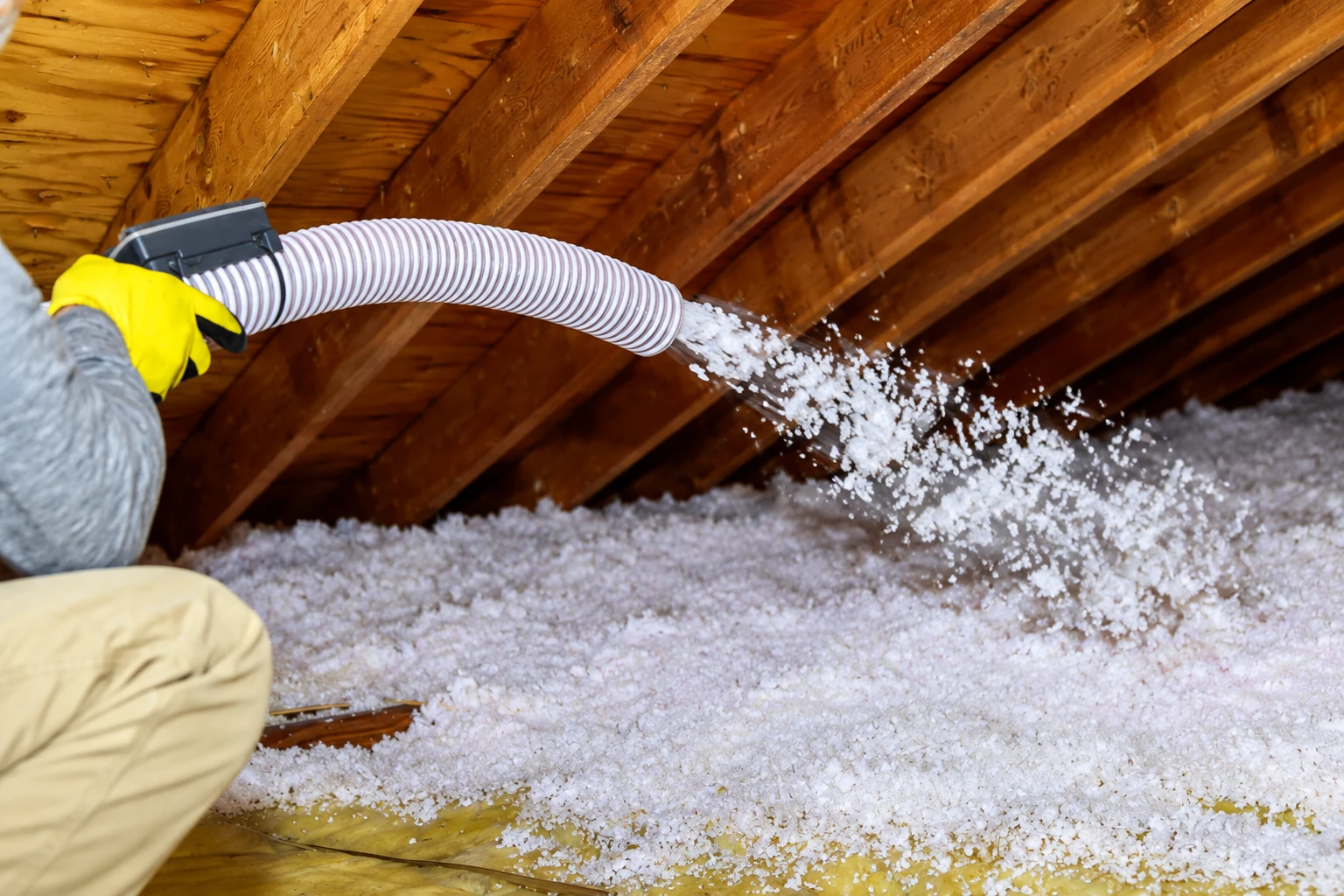
We carry the insulation all the way out to the eaves instead of piling it in the middle, because the edges over your outside walls are where ice dams and cold rooms usually start.
I look at the job myself, write up the estimate, and stay on site with our crew while the work is done, then walk you through what we did and leave the house clean.
Spray foam seals air and insulates in one pass, which helps on rim joists, odd framing and attics where ductwork runs. It costs more than loose fill, so I'll tell you plainly where it's worth it in your house.
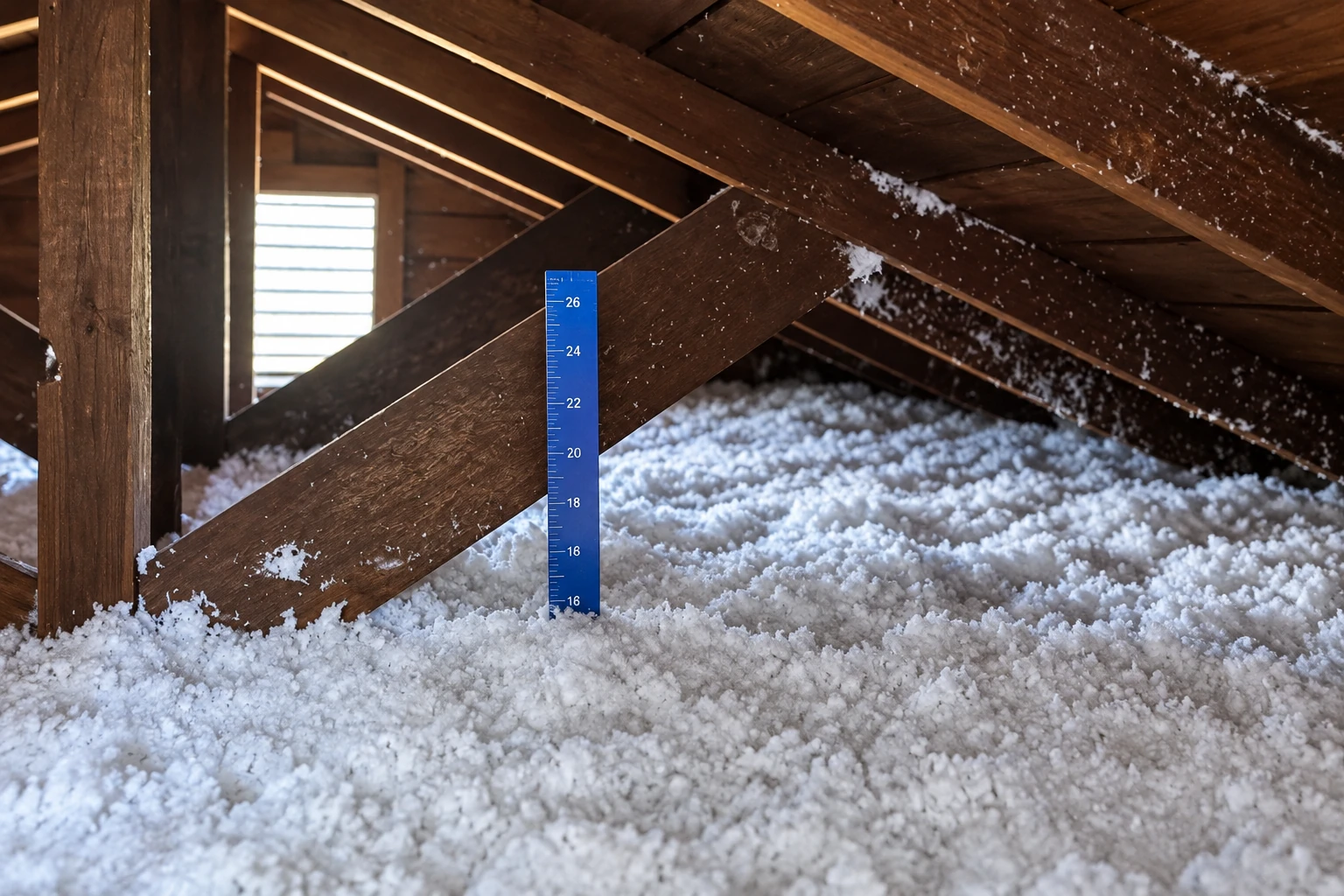
Most of our calls start in the attic, with ice dams or a cold room upstairs. We check how many inches are already there and what shape they're in before deciding whether to top it up or start over.
We blow loose fill through a hose to top up most attics here once the air sealing is done, because it settles into the corners around framing where batts tend to leave gaps.
When the whole house feels drafty or the power bill keeps climbing, I start with a walk from the basement to the attic. Then we fix the worst leaks first instead of insulating one room at a time.
Old insulation that's been soaked, packed down or filled with droppings comes out before anything new goes in. We bag it, clean the attic floor and only then start the fresh work, so the problem doesn't stay buried.
Cold floors over a crawl space usually mean open rim joists and gaps around pipes. We seal those, then insulate the walls or the floor above, depending on how the space is built and vented.
Many older houses here have little or nothing inside the outside walls. We fill them through small openings where we can, and I'll tell you before we start if any drywall has to come off.
We close the gaps where warm air slips out, around can lights, pipes, wiring and the attic hatch, before any insulation goes in. Otherwise the new insulation spends the winter fighting a draft.
Drafty basements are one of our most common calls. We seal and insulate the rim joists and walls so less cold air reaches the floors upstairs, and we choose materials that handle a damp foundation.
Closed-cell foam is dense and blocks moisture as well as air, so it fits rim joists, basement walls and crawl spaces that run damp. It costs more, so we use it where that moisture protection matters.
Open-cell foam is softer and lighter, and it seals air well in walls and rooflines that stay dry. It isn't the right pick where moisture is a concern, and I'll say so if that describes your house.
We insulate and air seal small commercial buildings, shops and offices too. I look at the building myself first, and we can plan the work around your hours so the business keeps running.
A dirt or gravel crawl space sends moisture up into the house above. We lay a heavy plastic barrier over the ground, seal the seams and run it up the walls so the space stays drier.
A vapor barrier keeps moisture from the warm side of a wall from reaching cold framing. We put it on the correct side, so it protects the wall instead of trapping water inside it.
This is the work we're best known for. Before any attic insulation goes in, we seal the top plates, chimney gaps, plumbing stacks and the hatch, because warm air leaking up there is what feeds ice dams.
Older Duluth houses often have rooms over the garage, knee walls and additions that were never insulated well. We add insulation to the house as it stands, working around finished walls and ceilings with as little mess as we can.
Send the form and we'll reply within one business day to set a time. I'll come out myself, look at the job and write up a free estimate, with no obligation to go ahead.
I look at how many inches you already have, what shape it's in, where air is leaking and whether the eave vents are clear, because that decides the order of the work.
The estimate lists what we'll do and in what order, and I'll explain why each step is there, so you can compare it fairly with anyone else's.
If we're spraying foam, the foam maker sets a re-entry time, when people and pets can come back inside, and I'll give you that before the day so you can plan around it.
These are the questions Duluth homeowners ask me most about permits and the city's rules before an insulation job starts.
Usually, yes. The city's residential permit questions list insulation among the work that needs a building permit, and any change that affects more than half a sheet of drywall needs one too. Before work starts, I check the rules for your job and tell you whether we'll pull the permit or what you'll need to do.
The homeowner or the contractor doing the work is responsible for getting the permit. If someone other than the owner pulls it, the city requires them to be a licensed contractor under Minnesota's rules. We're fully licensed and insured, and I'll tell you at the estimate which of us is handling it.
The city charges an extra fee equal to the permit fee, so you end up paying it twice. That's why we settle the permit before anyone climbs into your attic. I'd rather start a few days later than have you pay that fee twice.
Yes. The city requires inspections for all work that needs a permit, so a permitted insulation job gets inspected. Calling for inspections also keeps the permit active, since a permit becomes invalid after 180 days with no activity. We keep the job moving, and I'll keep you posted on where the inspections fall.
These are the cities with their own page on our site. We work in other cities around the Twin Ports too, so call or send the form to ask about your address.
Call (218) 206-2942 or send the form now, because sealing the attic before the snow piles up is easier than chasing ice dams in January.