
Crawl space floors
Bare dirt lets damp air and soil gas rise into the rooms above, and in Minnesota 2 in 5 tested homes have radon at levels that are a major health risk.
Damp crawl space or a basement you're finishing? We put the vapor barrier where it belongs, so moisture isn't trapped in your walls.
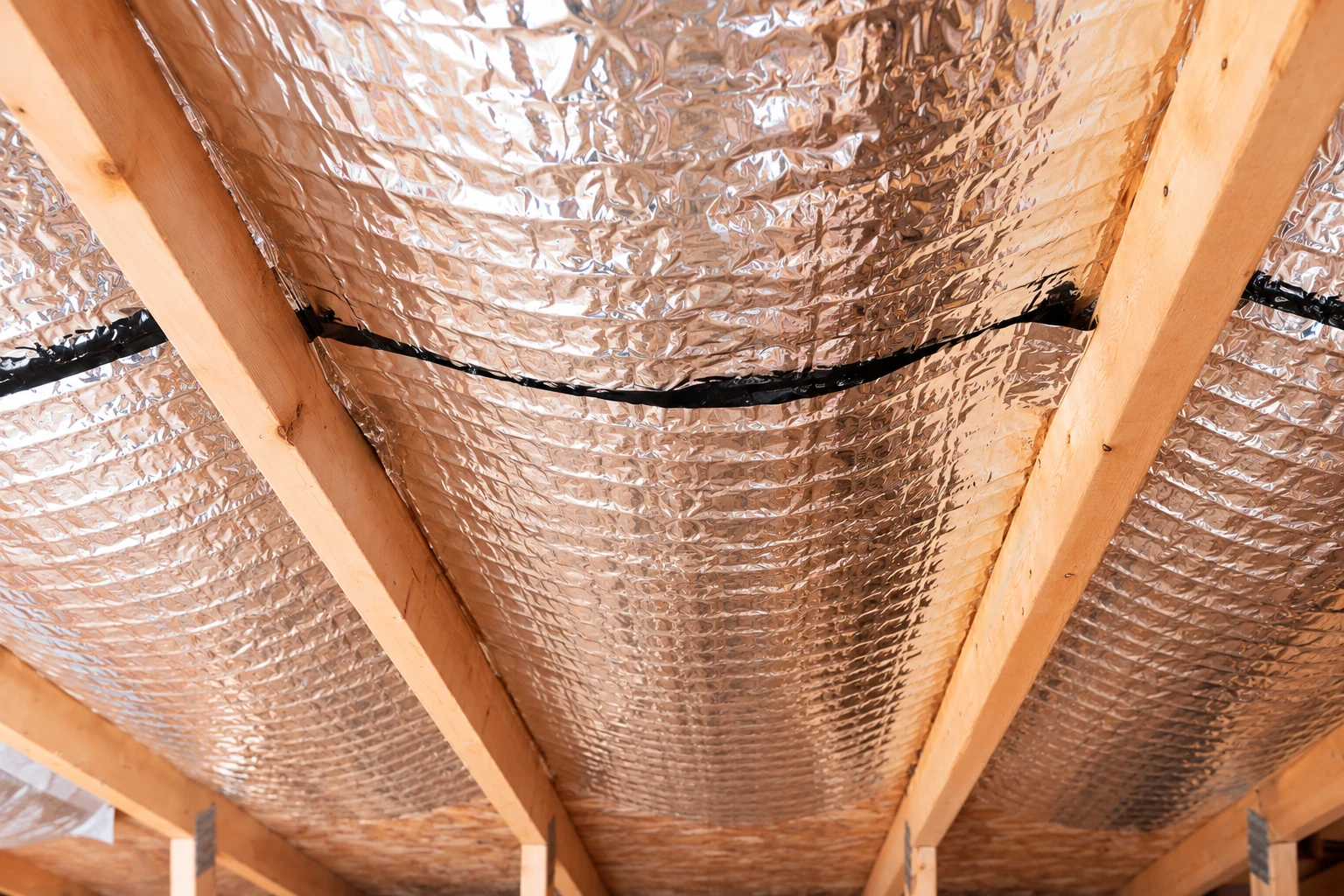
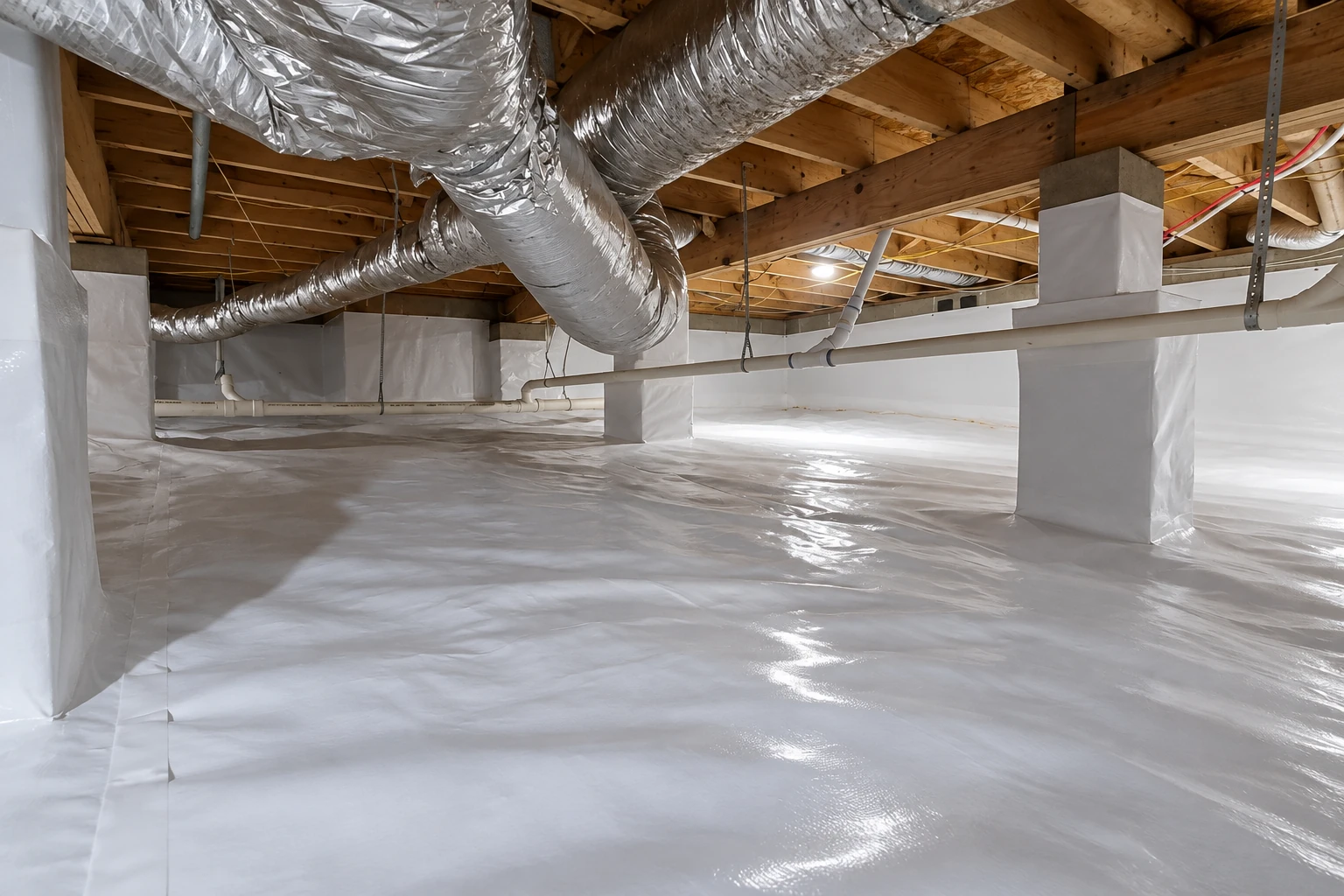
Vapor barrier installation in Duluth puts a layer that slows moisture, such as a plastic ground cover, over a crawl space floor or into a wall, so ground moisture and soil gases have a harder time getting into your home.
Most calls start with a crawl space that smells musty, cold floors over it, or a basement someone wants to finish without knowing what belongs behind the drywall. The price mostly turns on how big the space is, how easy it is to get into, whether old or soaked material has to come out first, whether a dehumidifier is part of the plan and which material you choose. The schedule depends on what I find when I look, what has to be cleared first and the city permit, and the free estimate gives you your own figure.
We're based in Duluth and do the same work in Superior, Hermantown, Cloquet and other cities around the Twin Ports, where plenty of older houses sit over crawl spaces or have basements waiting to be finished.
I come out to see the space and write up the estimate myself, and I'm on site with our crew when the work is done, so the person who planned it is there.
Before work starts, I check the permit rules with the city where your home is and tell you whether we'll pull the permit or what you'll need to do.
When we finish, I walk you through what we found and where each layer went, and we leave the space clean. Your satisfaction, guaranteed.
Where a vapor barrier goes depends on the space, so I treat a crawl space floor, a basement wall and an upper wall as three different jobs. In a crawl space, we lay a plastic ground cover over the dirt and seal it at the seams and along the foundation walls. On an upper wall in a climate as cold as ours, the layer goes on the warm side, toward the inside of the house and right behind the drywall, because that's where warm, damp indoor air meets the wall first. A basement you're finishing is its own case, and plastic sheeting isn't our choice there, for reasons I explain in the questions below.
We do the work in the right order, the same way a kitchen finishes its prep before the cooking starts. Before any barrier goes in, we look for soaked insulation or insulation full of droppings that needs to come out, and we close the gaps around pipes, wiring and hatches, since a barrier over an open gap just has air going around it. When warm air is also leaking up into the attic, that sealing is the same careful work we do for attic air sealing.
When the vapor barrier is part of adding insulation to an older house, we plan the two together as retrofit insulation, because the order of the layers in an old wall decides whether it dries out or holds damp.
Bare dirt lets damp air and soil gas rise into the rooms above, and in Minnesota 2 in 5 tested homes have radon at levels that are a major health risk.
A basement wall has cold, damp ground on the other side, so it can't be treated like an upper wall. Call before the framing and drywall go up, so the layers are planned in order.
When an outside wall is open to the studs, it's the easiest time to put the barrier on the correct side and seal its edges before the drywall closes it up again.
A smart vapor retarder, a newer high-tech material, can help a wall last longer when put in correctly, one building science writer says, but it adds real cost. We suggest one when the wall warrants it.
Send the form and we'll reply within one business day. I'll come out to look at the space myself and write up a free estimate, with no pressure and no obligation.
Let us know whether it's a crawl space floor, a basement you're finishing or an upper wall, because each one is a different job and I come prepared for the one you have.
Your best guess at the square footage or the length of wall is enough for now. I'll measure properly when I come out, so there's no need to get it exact.
Tell us where the crawl space hatch or access is and whether things are stored down there. Stored items and debris need to be moved first so the cover can reach the whole floor.
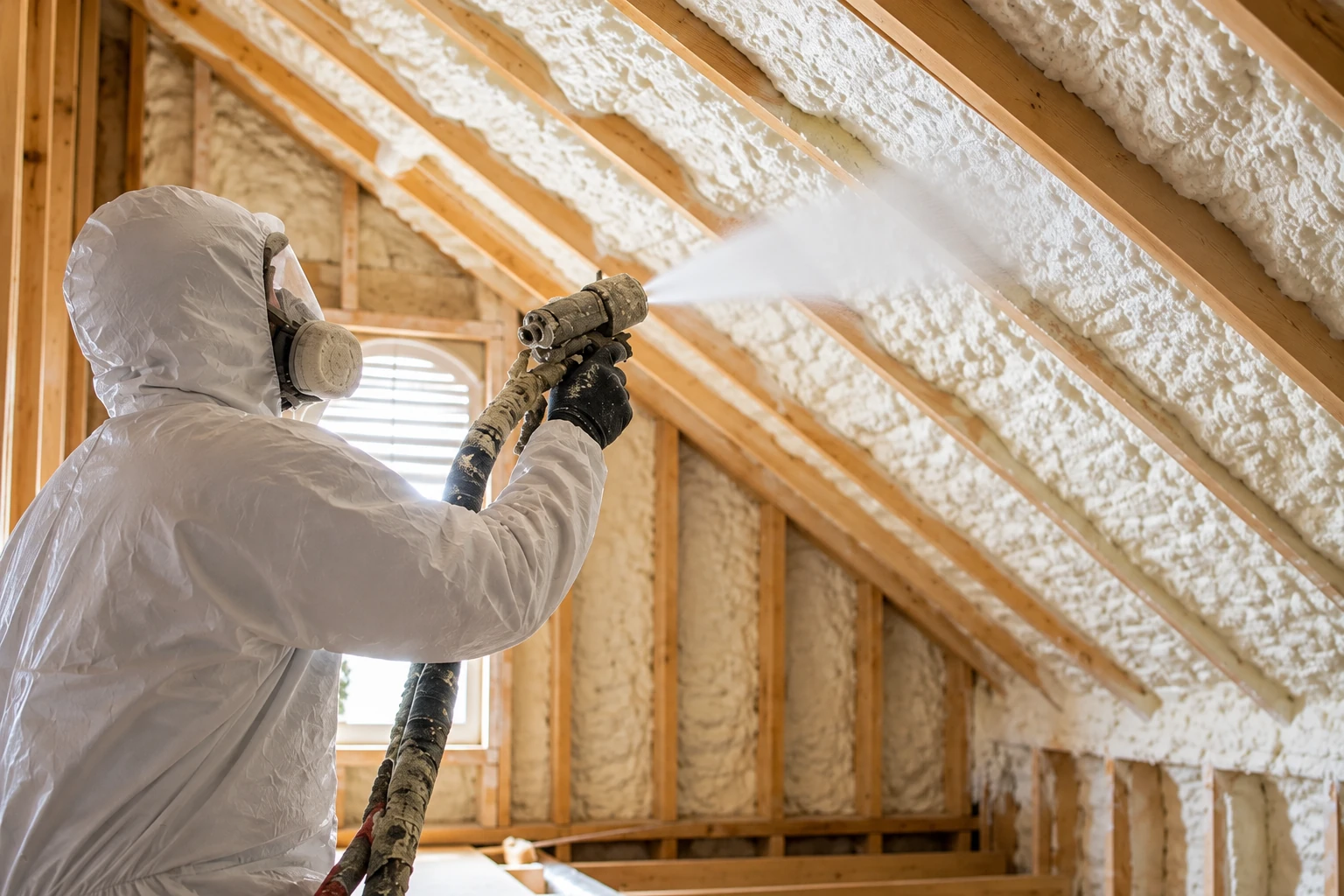
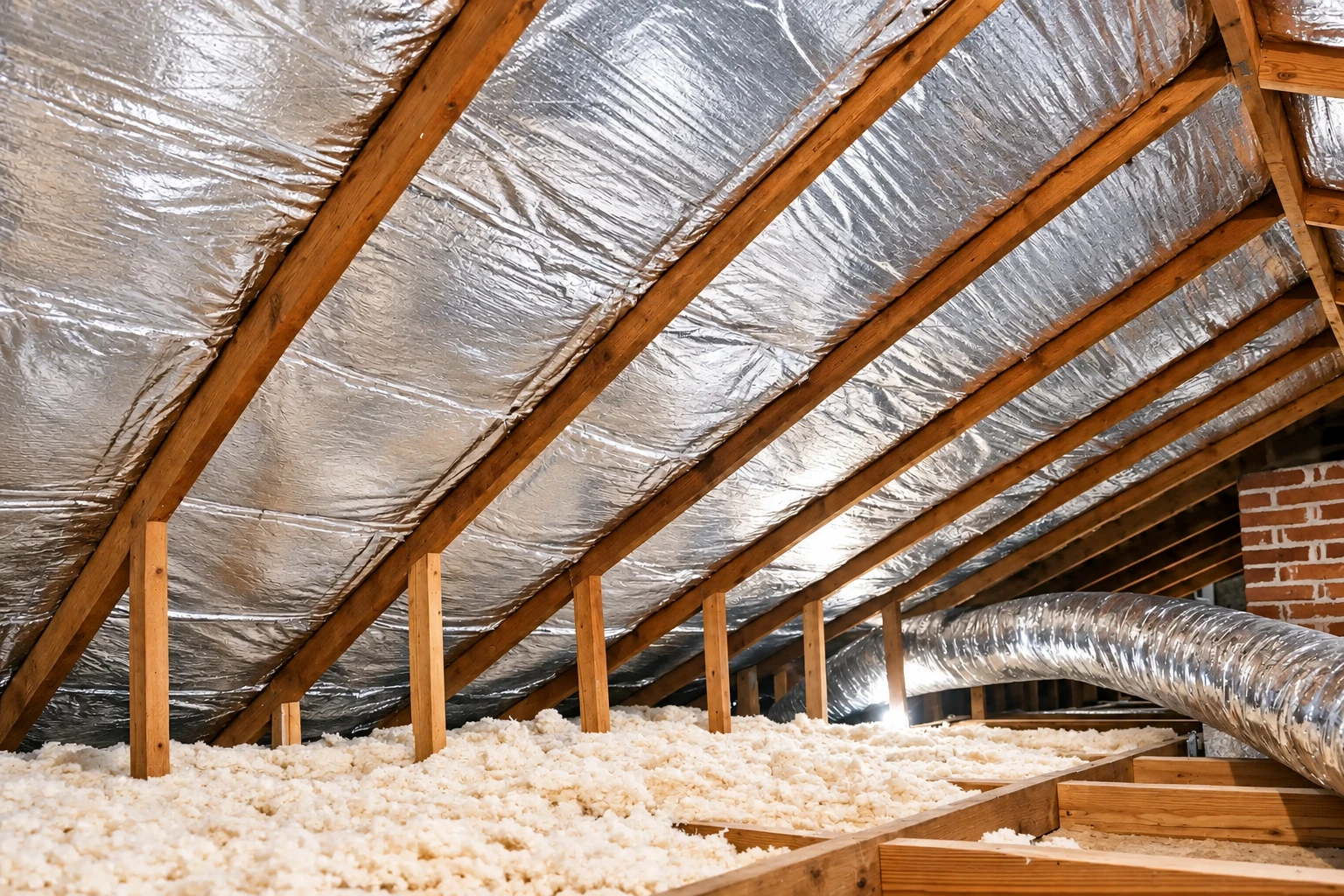
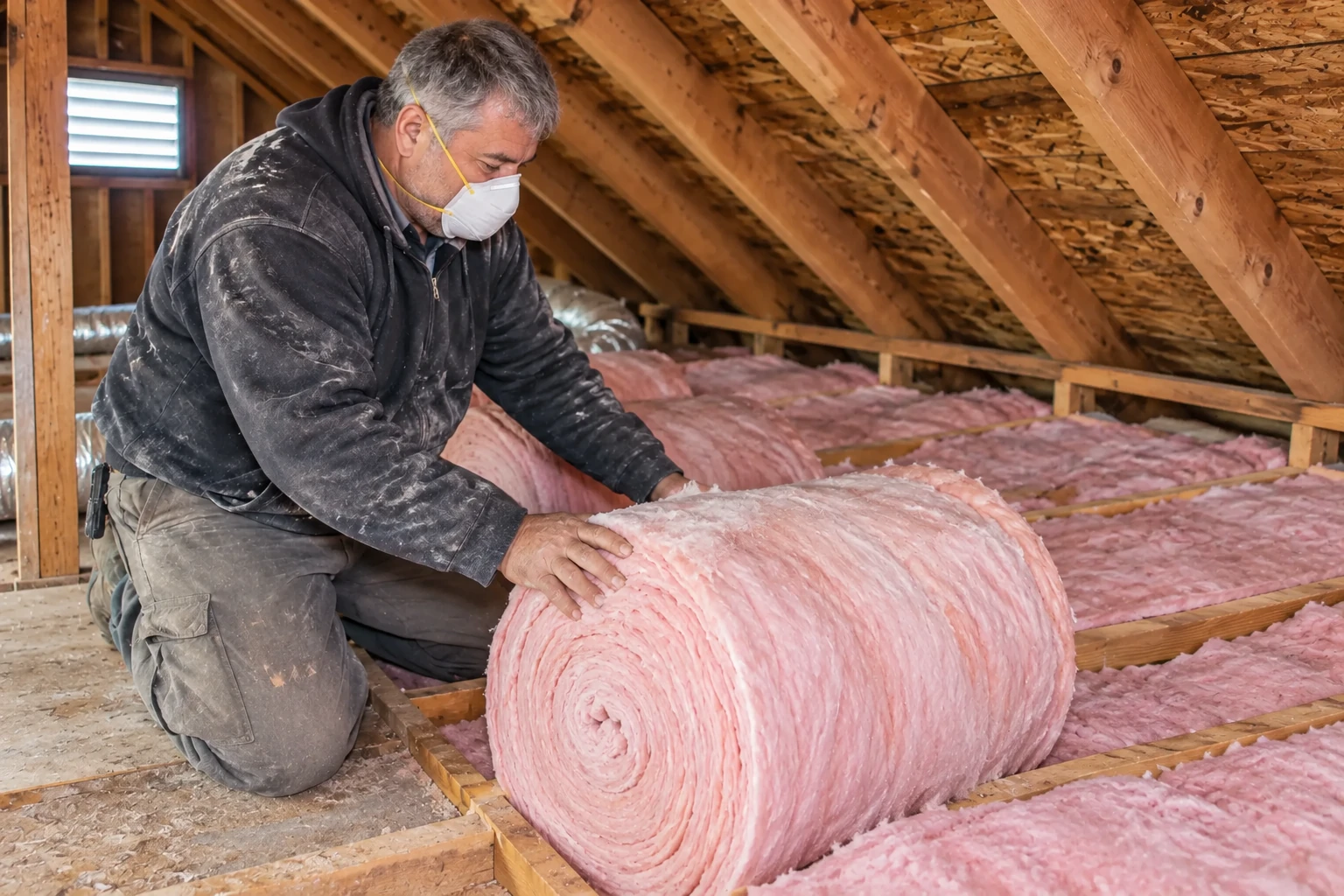
These photos show crawl space ground covers, wall sheeting and finished basement walls, so you can point to what looks like your space when we talk.
Straight answers to what Duluth homeowners ask about cost, permits, licensing, materials and doing the work themselves.
Fitting a 1,500 square foot crawl space with a vapor barrier and a commercial dehumidifier in Duluth usually costs about $5,500 to $10,000 per job. That's the going range in the area, not our price, and it covers both the barrier and the dehumidifier. Your own figure comes from the free estimate, after I've seen the space.
Yes. The City of Duluth lists insulation and vapor barrier installation among the residential work that needs a permit, and the city issues it. Its residential permit desk is at City Hall, Room 100, 411 West First Street, and the phone is 218-730-5240. As I said above, I check those rules before we start and tell you who pulls the permit.
A state license is needed when a contractor works in more than one special skill area. Minnesota's labor department lists insulation and vapor barriers under interior finishing, and a specialty contractor offering only that one skill needs no state license, so ask whether your job reaches beyond it. We're fully licensed and insured.
Usually not, and it isn't our choice there. Department of Energy guidance for below-grade walls calls for kraft-faced fiberglass batts, which carry a paper facing that slows vapor, or latex paint on the drywall, in place of plastic over the insulation, because plastic there can trap moisture inside the wall. I'll talk you through which of the two fits your basement.
All of it, or as close to all of it as is reasonably possible, according to national Department of Energy guidance. When you compare quotes, ask each contractor, us included, how much of the floor the ground cover will reach, because bare patches at the edges leave ground moisture a way in.
Often, yes. Duluth lets an owner who lives in a single-family home do nearly all the work of maintaining and renovating it, but the city's permit list still names insulation and vapor barrier installation, so ask the city about the permit before you start. If you'd rather hand it off, we're glad to take it on.
Call (218) 206-2942 or send the form, and I'll come see the space with you and explain what I find. Thank you for considering us.